
Why healthier choices aren’t a willpower problem
What a roundtable of clinicians, insurers, government, food companies and startups taught us about metabolic health in Switzerland
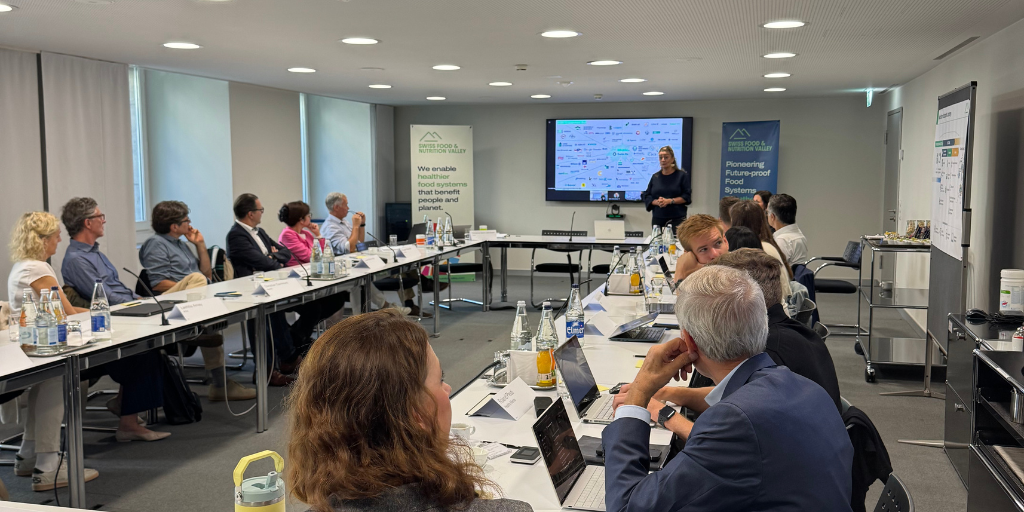
Ask people to eat better and many will say they want to. Ask what stops them and the answer is usually the environment: what’s on the shelf, what’s affordable, what the system rewards.
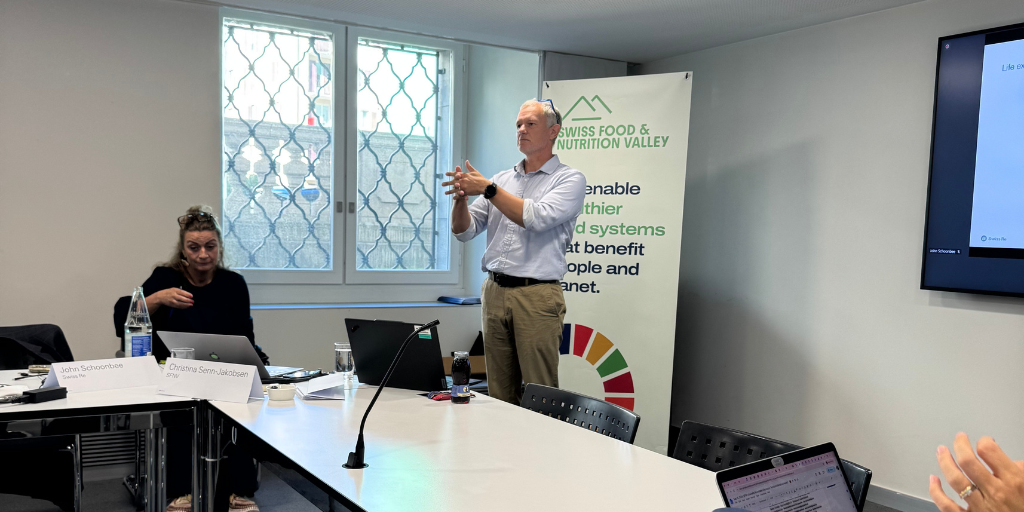
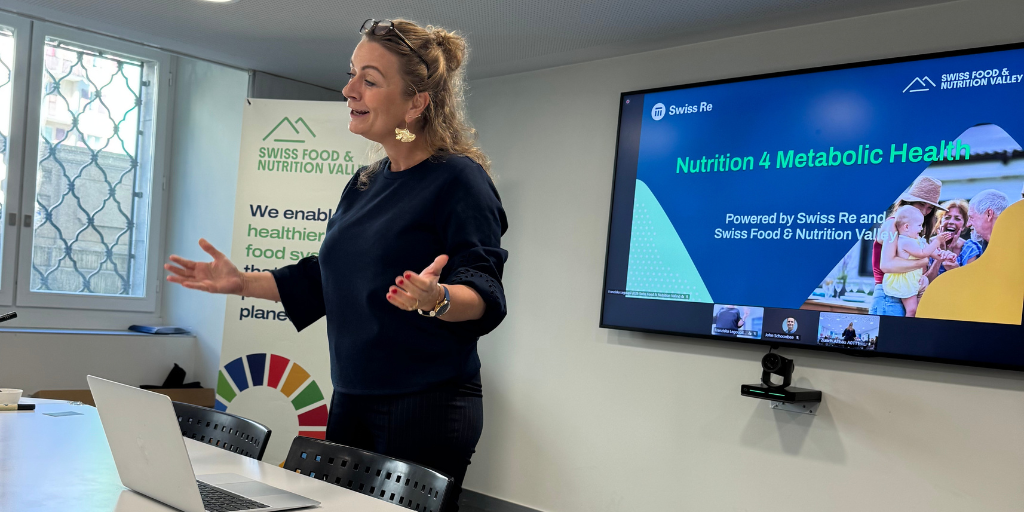
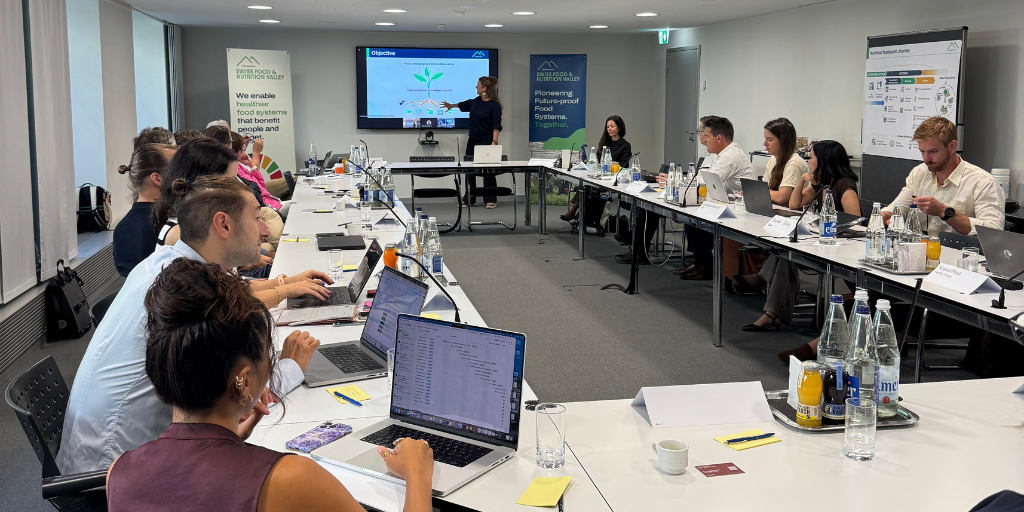
That was the thread running through the fourth and final roundtable in the Nutrition4MetabolicHealth series that took place at Swiss Re in Zurich, bringing together clinicians and researchers, food and nutrition companies, insurers, regulators and health-tech innovators.
The question they came to tackle was deceptively simple:
What are the most impactful things we can do to improve nutrition and metabolic health in Switzerland?
Discover what's next for Nutrition4MetabolicHealth
Ready to learn more? We’re hosting the Nutrition4MetabolicHealth Summit on 3-4 November, where we’ll bring together leaders, innovators and decision-makers actively engaged in nutrition for health and prevention-driven innovation to explore how Switzerland can help shape the future of metabolic health.
Why metabolic health, and why Switzerland?
Metabolic ill health, from insulin resistance and type 2 diabetes to fatty liver disease and high blood pressure, is increasingly recognised as a common driver of chronic disease, rising healthcare costs and shorter lives.
The urgency is clear.
Life insurance models depend on continued improvements in mortality, yet gains in life expectancy slowed between 2010 and 2020. Metabolic ill health is thought to be one of the contributing factors.
Switzerland might seem well protected. We walk a lot, enjoy the outdoors and have comparatively low BMI. But appearances can be misleading. National diabetes figures rely largely on surveys rather than testing, and studies of seemingly healthy older adults have found substantially more undiagnosed diabetes and prediabetes than self-reported data suggests. Meanwhile, only a small share of healthcare spending goes towards prevention, despite its potential to deliver significant health and economic benefits.
There are reasons for optimism.
Nutrition-focused programmes have helped people with type 2 diabetes reduce or even stop medication, while one workplace pilot saw most participants on disability claims return to work. Now, the ambition should go beyond managing metabolic disease to reversing it where possible.
This is about making healthier choices easier for everyone.
That requires collective action across the food system and beyond, bringing together producers, retailers, schools, healthcare professionals, employers and policymakers to raise awareness and create the conditions for better metabolic health.
Beyond individual behaviour
The discussion pointed beyond individual behaviour to the forces that shape it: the food environment, early habits, industry practices, economic incentives and the evidence needed to know what works.
Information alone is not enough. People are already surrounded by health information, and consumer research shows many are motivated but confused. They want clearer labelling and fewer unhealthy products in the shops, yet find the environment working against them.
At the Roundtable it became clear that knowledge needs to come with practical, actionable steps, and that metabolic health needs to be translated into benefits people can actually feel, such as more energy and less fatigue, rather than abstract long-term risk.
Make the healthy choice the easy one. One memorable example: when an office moved soft drinks from an open fridge to a cupboard a few steps away, consumption fell dramatically. Nobody was banned from anything, it was just that the environment simply changed.
The same logic applies to supermarket shelves, canteens, school menus and workplace snacks. As one participant put it, healthy food has to be tasty, and it should not cost more than unhealthy food.
Start with children. Asked for the single most important lever, many pointed to children: habits formed early tend to stick, and kids can carry new habits home to their parents and at the same time school food only works if children actually want to eat it.
Industry has a role in the solution. Reformulating products and making healthier options appealing and affordable can shift what millions of people eat without asking each of them to make a better decision every time. Voluntary, sector-wide commitments, such as gradual sugar reduction, were cited as working best when competitors move together on a level playing field. Many small steps, repeated across many products, add up.
Rethink incentives. A recurring tension was that parts of the system are rewarded for treating illness rather than preventing it. We discussed how insurers, healthcare providers, employers and food producers could be rewarded for prevention, and noted the legal limits on what basic health insurance can offer. Everyone agreed that prevention programmes need a credible economic case, and that rigorous evaluation is part of building one.
Better data, better decisions. From a national view of how many people actually have metabolic conditions to knowing which interventions work, participants kept returning to the need for stronger evidence. Technologies such as continuous glucose monitoring and AI-supported personalisation were seen as promising, but not yet accessible or well enough understood by the people who could benefit most.
Together, we discussed:
- Whether regulation has a place
- How far food choices are really free choices
- How to keep people engaged over the long term
- How much weight sits on individuals versus systems
Collective action
No single stakeholder can transform the food and health environment alone.
Businesses, healthcare providers, researchers, educators, insurers, policymakers, workplaces and individuals can each act, and greater impact becomes possible when those actions are connected.
That is what the Nutrition4MetabolicHealth Initiative aims to enable: bringing sectors together around concrete opportunities for action and turning conversation into progress.
A key part of that is small, real-world pilots, sometimes called living labs, in which partners test an idea in a real setting, learn quickly and share what they find so others can build on it.

What comes next
Our work continues as we build up to the Nutrition4MetabolicHealth Summit on 3-4 November, which will bring together renowned experts and innovators, showcase existing and new initiatives, and give leaders from across sectors the chance to commit to action.
Together, we'll explore the key questions shaping metabolic health today, from macronutrients and insulin to the history of nutrition, and how different sectors can integrate these insights into their decisions, products and services.
Here's a taste of who will be joining us – 10 renowned metabolic health and nutrition experts and researchers:
Derek Brandt, CEO at Diabetes Center Berne
Arne Astrup, Senior Consultant and Researcher
Mojgan Masoodi, Professor at University of Bern
Kerstin Plehwe, President at PAN International Foundation
Niti Pall, President-Elect at International Diabetes Federation
Heike Bischoff-Ferrari, Director at Longevity Center Switzerland
Janne Martikainen, Dr Professor at University of Eastern Finland
Benjamin Bikman, Professor, Author, Researcher and Metabolic Scientist
Simon Wieser, Professor at ZHAW Zurich University of Applied Sciences
Lars Hartenstein, Director of Healthy Longevity at the McKinsey Health Institute
If you want to be part of it, whether as a partner, a pilot host or a voice from a sector we haven't yet heard from, we'd love to hear from you.