
Prevention starts in the lab, but it only works if it reaches the plate
In conversation with Bühler, dsm-firmenich, Nestlé and ZFV on what it will take to make nutrition a real force for metabolic health.
As the Nutrition4MetabolicHealth Summit approaches on 3-4 November, one question keeps surfacing: how do we turn what we know about nutrition into measurable, scalable change in people's health?
Four of the companies taking part in the Summit bring different perspectives from across the food value chain. From nutritional science and food processing to product innovation and new approaches to food service, each has a role to play in turning knowledge into action.
We asked representatives from Bühler, dsm-firmenich, Nestlé and ZFV why metabolic health matters now, what deserves more attention and what needs to change in the next three to five years.
Why now? New opportunities for prevention
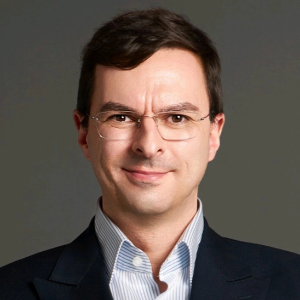
We are entering a period in which prevention can become much more measurable and actionable. Advances in our understanding of the hallmarks of aging, biological clocks and other biomarkers increasingly allow us to study changes earlier in the aging trajectory.
Szabolcs Péter
Senior Director, Medical & Regional Science at dsm-firmenich
The implication for nutrition is significant. Rather than addressing dysfunction once it is established, the opportunity is to preserve health and resilience earlier in life, when nutritional interventions may have greater preventive potential.
As GLP-1 medications reshape conversations around food consumption, they are also creating an opportunity for the food industry to rethink nutritional quality:
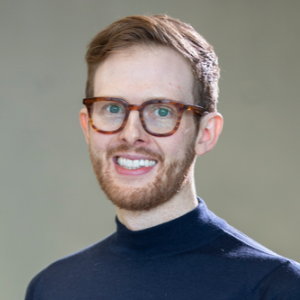
The discussion around GLP-1 medications has brought renewed attention to portion sizes and the nutritional value of what people eat. But the opportunity extends well beyond products for people taking these medications. We should use this attention to improve nutrient density in everyday foods for everyone. For technology providers such as Bühler, the task is to help food producers turn that ambition into practical changes in how foods are processed and made.
Robert Mitchell
Head of Food Science at Bühler Group.
What deserves far more attention
For Nashmil Emami at Nestlé, one area deserving greater attention is nutrient density, particularly as people consume less food.

I believe we need to pay more attention to what happens when food intake decreases, whether because of appetite-reducing treatments for obesity, ageing, illness, or socioeconomic pressures. In this context, nutrient density, meaning a higher concentration of essential nutrients relative to calories consumed, is becoming increasingly important. This is where food technology can have an important role to play to make nutrient-dense foods that are tasty and affordable. Lastly, we should keep in mind that food is much more than nutrition. It is also pleasure, culture and social connection. So, alongside delivering nutrient-dense solutions, offering smaller portions of indulgent foods and understanding the behavioural and cultural dimensions of food habits are equally important.
Nashmil Emami
Chief Nutritionist, Head of Applied Nutrition and Dietetics at Nestlé
For Szabolcs Péter at dsm-firmenich, the opportunity lies in exploring how different nutrients can work together to support healthy ageing.
Rather than searching only for single ingredients addressing isolated outcomes, we should explore scientifically grounded combinations that act across multiple mechanisms.
Szabolcs Péter
Senior Director, Medical & Regional Science at dsm-firmenich
Meanwhile, Robert Mitchell at Bühler sees untapped potential in the raw materials we already use. Grains and pulses contain valuable fibre and protein, including in fractions that do not always reach the food we eat.
Retaining or recovering that value is not simply a formulation exercise: food safety, stability, texture and cost all need to work. This is where processing expertise matters. The goal should be nutrient-dense foods suited to local diets and budgets.
Robert Mitchell
Head of Food Science at Bühler Group.
Where change is headed
Each company points to a different gap between knowing and doing: from translating innovation into large-scale production, to integrating nutrition into healthcare and making better food a shared responsibility across the food system.
For Béatrice, over the next three to five years, success should mean more food producers can adopt these solutions in everyday production, rather than nutritional innovation remaining confined to specialist products.
We need to make industrial implementation a much stronger part of nutrition innovation. A nutritional improvement has limited reach if it cannot be produced reliably and affordably at scale. For Bühler, helping producers incorporate more fiber into familiar foods is one practical priority, alongside appropriate protein content. That requires processing solutions that deliver nutritional improvements while maintaining taste, texture and production efficiency.
For Christian, the challenge is making better nutrition a shared ambition, rather than leaving responsibility with catering teams alone.

Employers, educational institutions and caterers need to agree on what a good food offer should achieve, bringing together nutritional quality, enjoyment, affordability and sustainability. This requires clear, measurable goals and shared responsibility for the impact we want to create. Kitchen teams also need the skills, time and resources to deliver consistently, while we need to understand what guests actually choose and enjoy.
By embedding these shared ambitions into long-term partnerships and everyday decision-making, we can turn promising approaches into lasting practice across many locations – and make a meaningful contribution to metabolic health
Christian Gerber
Head of Innovation at ZFV
For Nashmil, the opportunity lies in bringing nutrition and healthcare closer together, using new technologies to make prevention more targeted and personal.
As treatments for obesity and metabolic comorbidities evolve, the opportunity over the next few years is to integrate nutrition more holistically into prevention and healthcare. Advances in non-invasive diagnostics and biomarker monitoring could help identify nutritional and metabolic needs earlier, enabling more targeted and personalized combinations of nutritional and pharmaceutical interventions. At the same time, AI creates new opportunities to tailor nutritional guidance to an individual’s lifestyle, behaviours and changing needs, making recommendations more relevant and easier to translate into daily life.
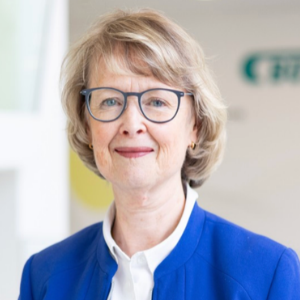
Nashmil Emami,
Chief Nutritionist, Head of Applied Nutrition and Dietetics at Nestlé
Why they’ll join the Nutrition4MetabolicHealth Summit
The Nutrition4MetabolicHealth Summit is part of a wider initiative to move from discussion to commitments, with experts, scientists, researchers, policy makers and innovators joining the conversation. dsm-firmenich, Nestle, ZFV and Bühler are among the Valley Partners, 24 speakers and 150 attendees joining us on 3-4th November and both arrive with a clear view of what they want from the event.
For Christian at ZFV, the opportunity lies in turning everyday food service into a source of evidence and a strategic tool for improving health, wellbeing and sustainability.
A key question for the Summit is how researchers, caterers and client organisations can build useful evidence together. Which changes in recipes, presentation or pricing do guests accept, and what works for kitchen teams and operating budgets? I am particularly interested in how learning from everyday food choices can inform robust research on metabolic health over time. For ZFV, a valuable outcome would be helping organisations recognise the strategic potential of their own foodservice and explore how it can support their future goals for health, wellbeing, sustainability and organisational culture.
Christian Gerber
Head of Innovation at ZFV
At Bühler, Béatrice and Robert are looking to turn collaboration into concrete action.
We want to explore where joint action can make the greatest practical difference, and how food-processing technology can contribute from the outset. Bringing healthcare, nutrition science, insurance, policy and the food industry together creates an opportunity to connect evidence with implementation. For Bühler, that means helping identify nutritional priorities that can be translated into concrete processing and product-development projects with food producers. The ambition should be to leave with shared priorities and partnerships that continue beyond the Summit. Through collective action and innovation, Switzerland can become a lighthouse for better metabolic health.
From advancing nutritional science and scaling food innovation to integrating nutrition into healthcare and food service settings, these perspectives highlight why collaboration across the food system matters.
Turning nutritional knowledge into better health outcomes will require more than individual solutions. It will take shared priorities, practical action and partnerships that extend well beyond the Summit.
The Nutrition4MetabolicHealth Summit takes place on 3–4 November 2026. Want to follow the progress beyond the Summit? Sign up to sign up to N4MH Connect to receive monthly updates on the progress of the Nutrition4Metabolic Health initiative.