
The conversations set in motion at the Nutrition4MetabolicHealth Summit
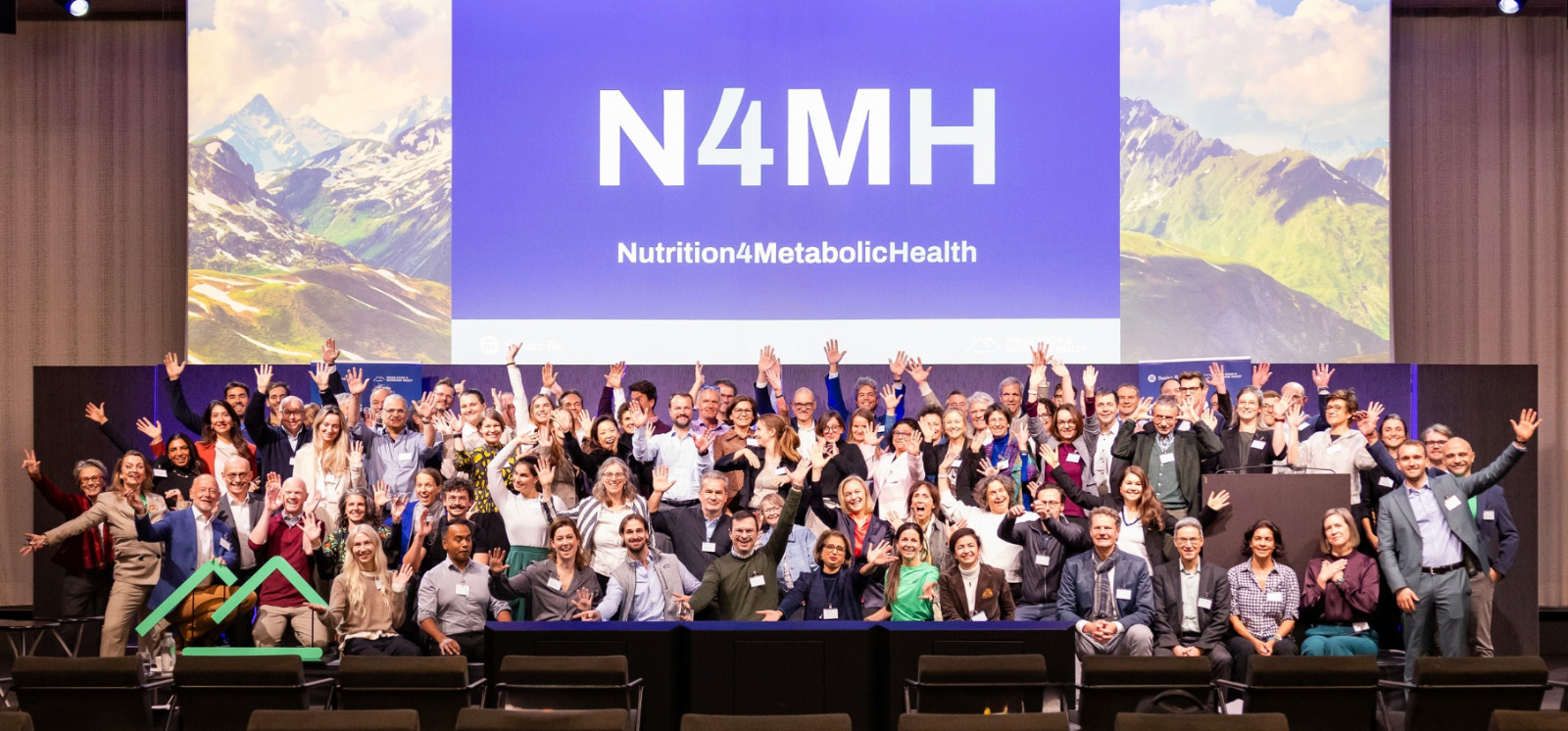
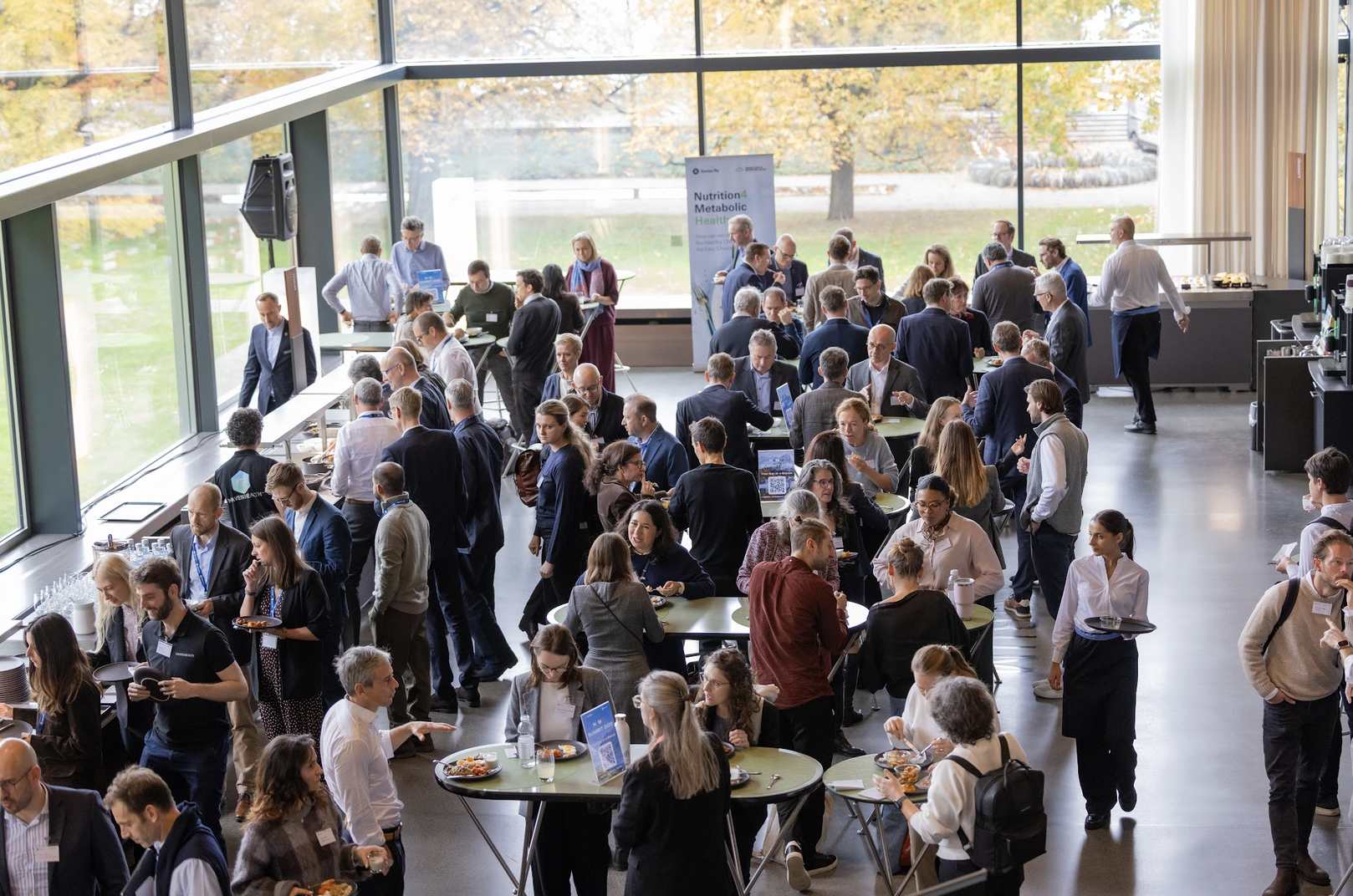
How do we make the healthy choice the easy choice? This question brought 130+ leaders from food, health, science, insurance and policy to Rüschlikon.
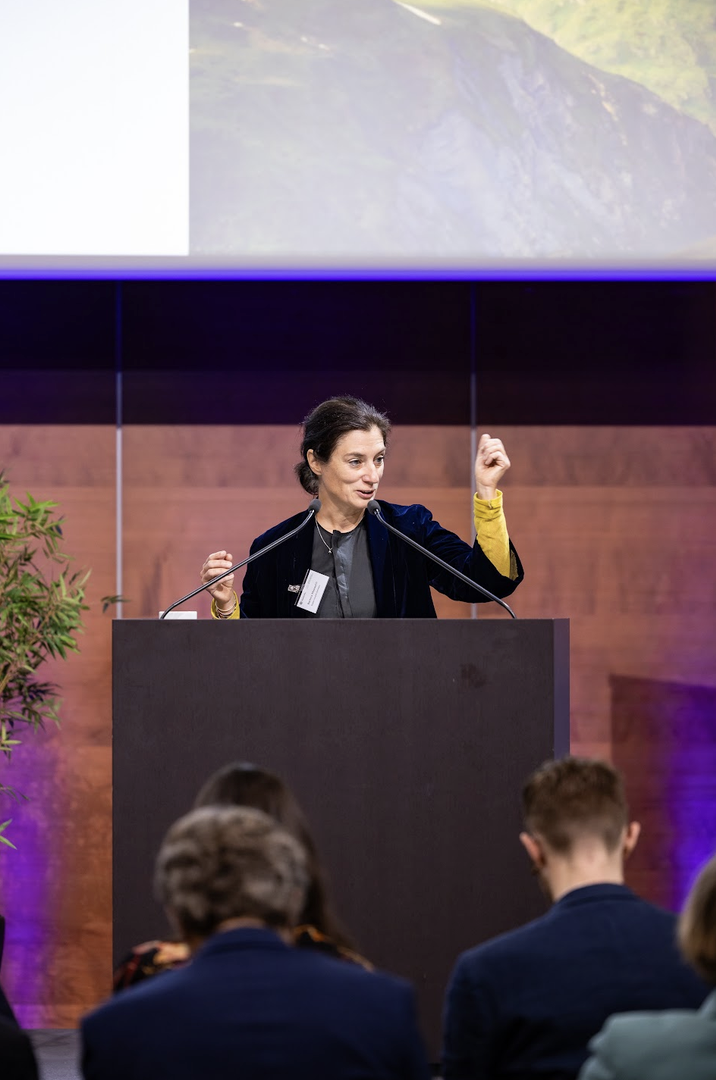
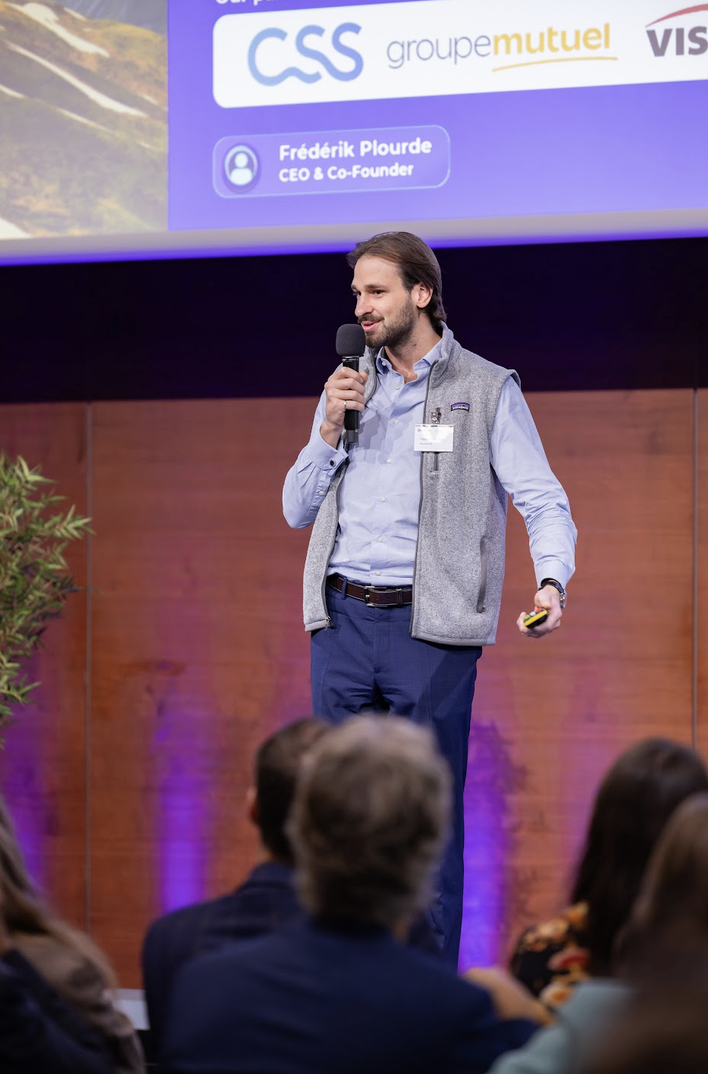
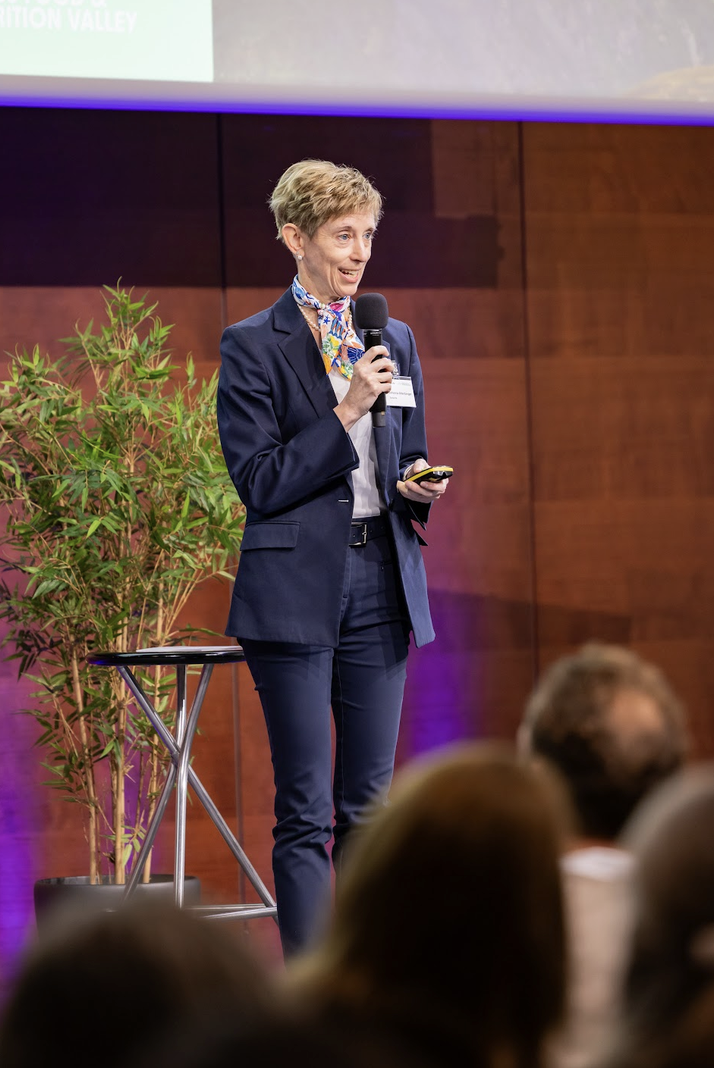
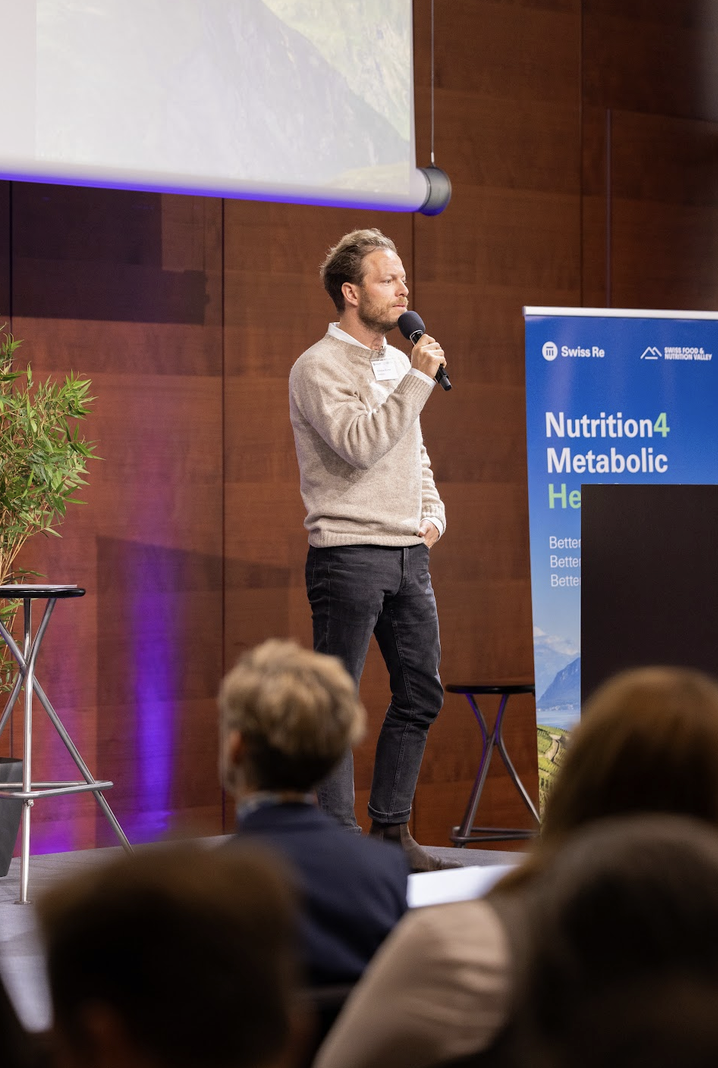
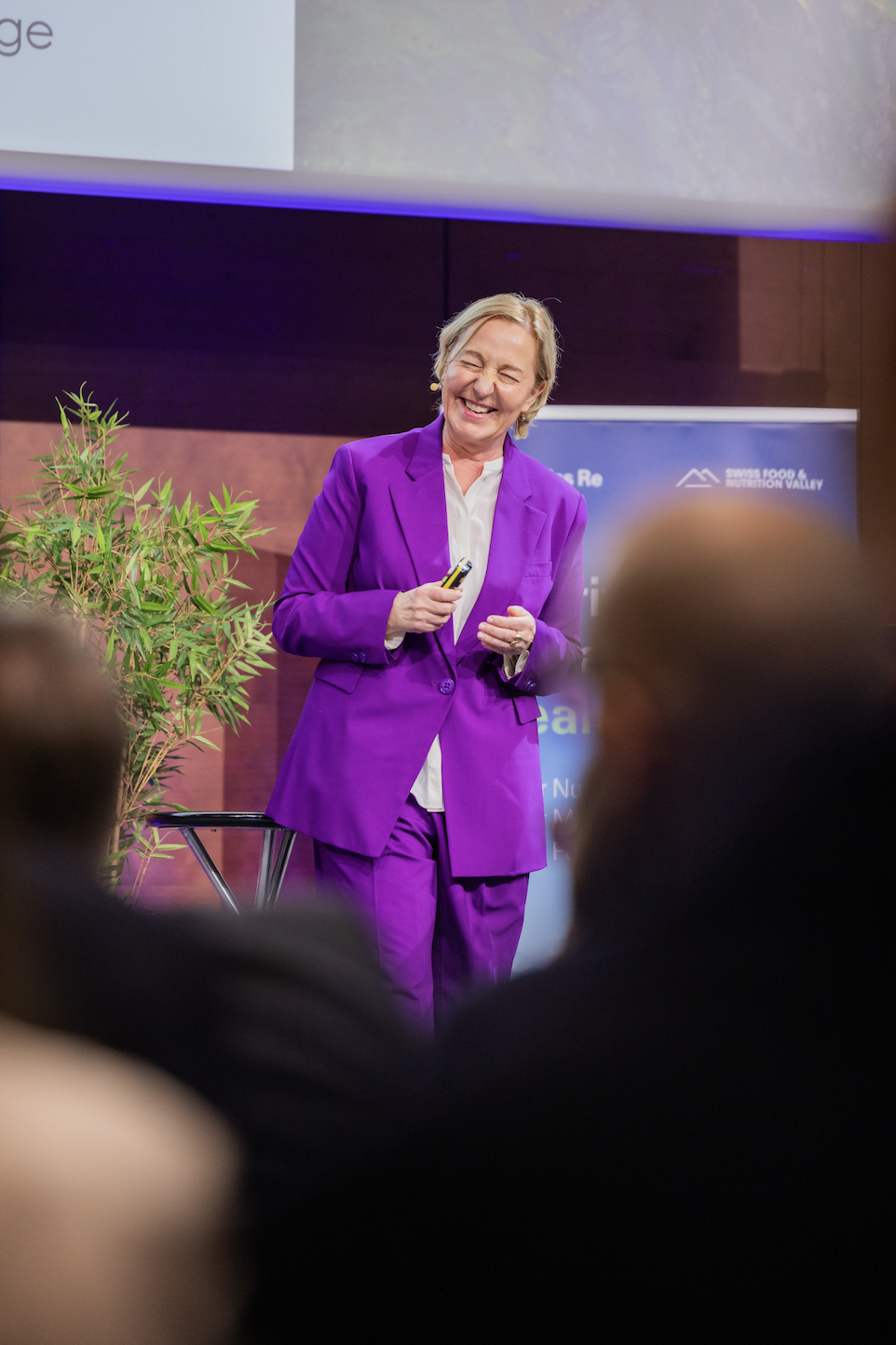
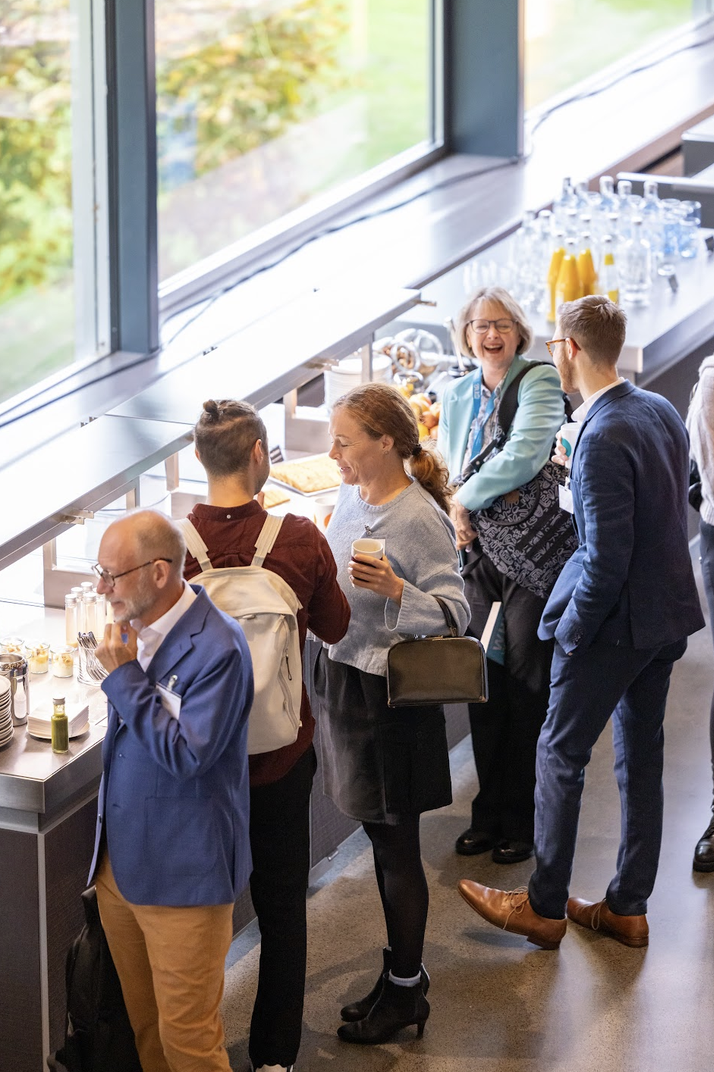
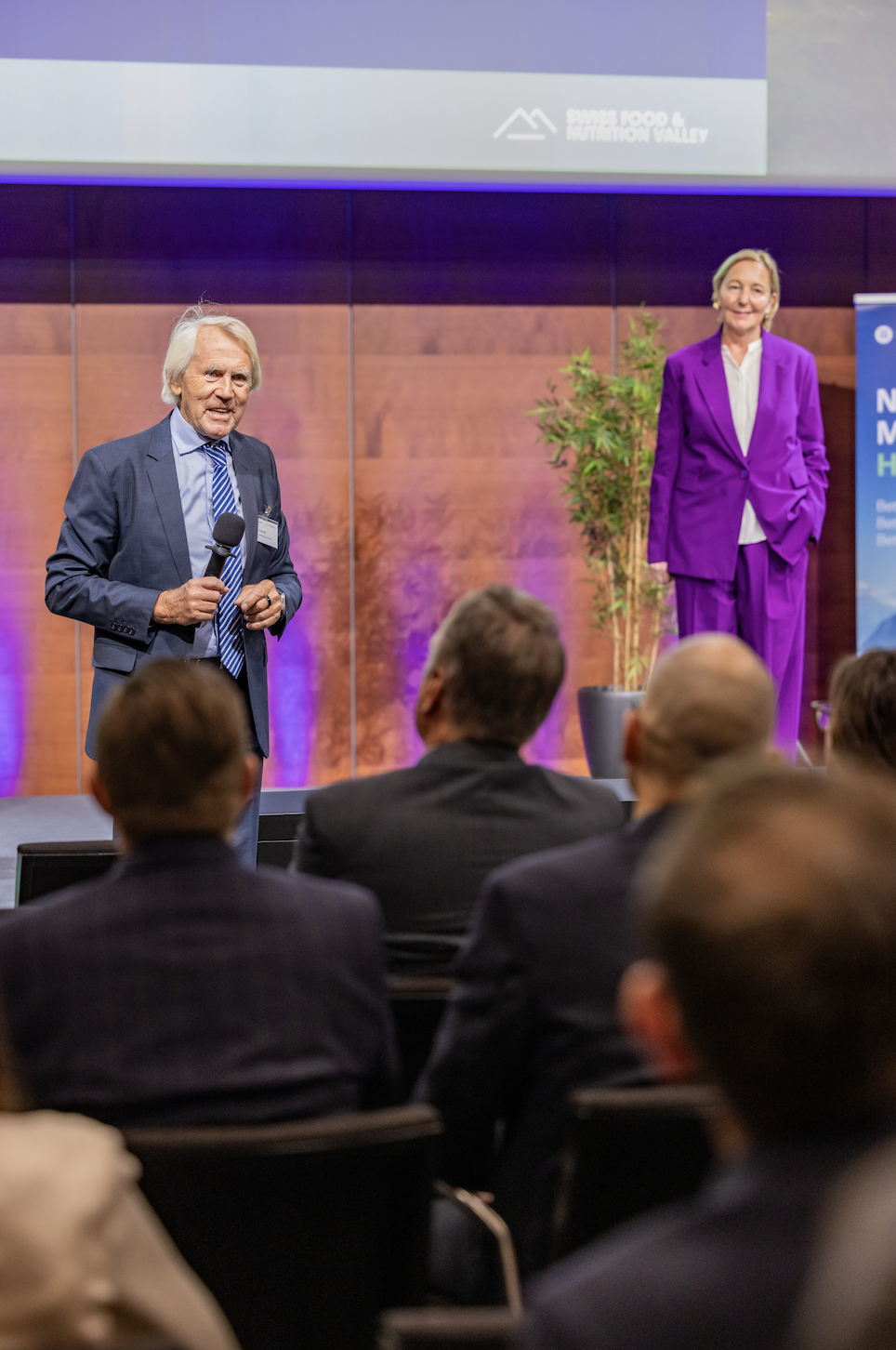
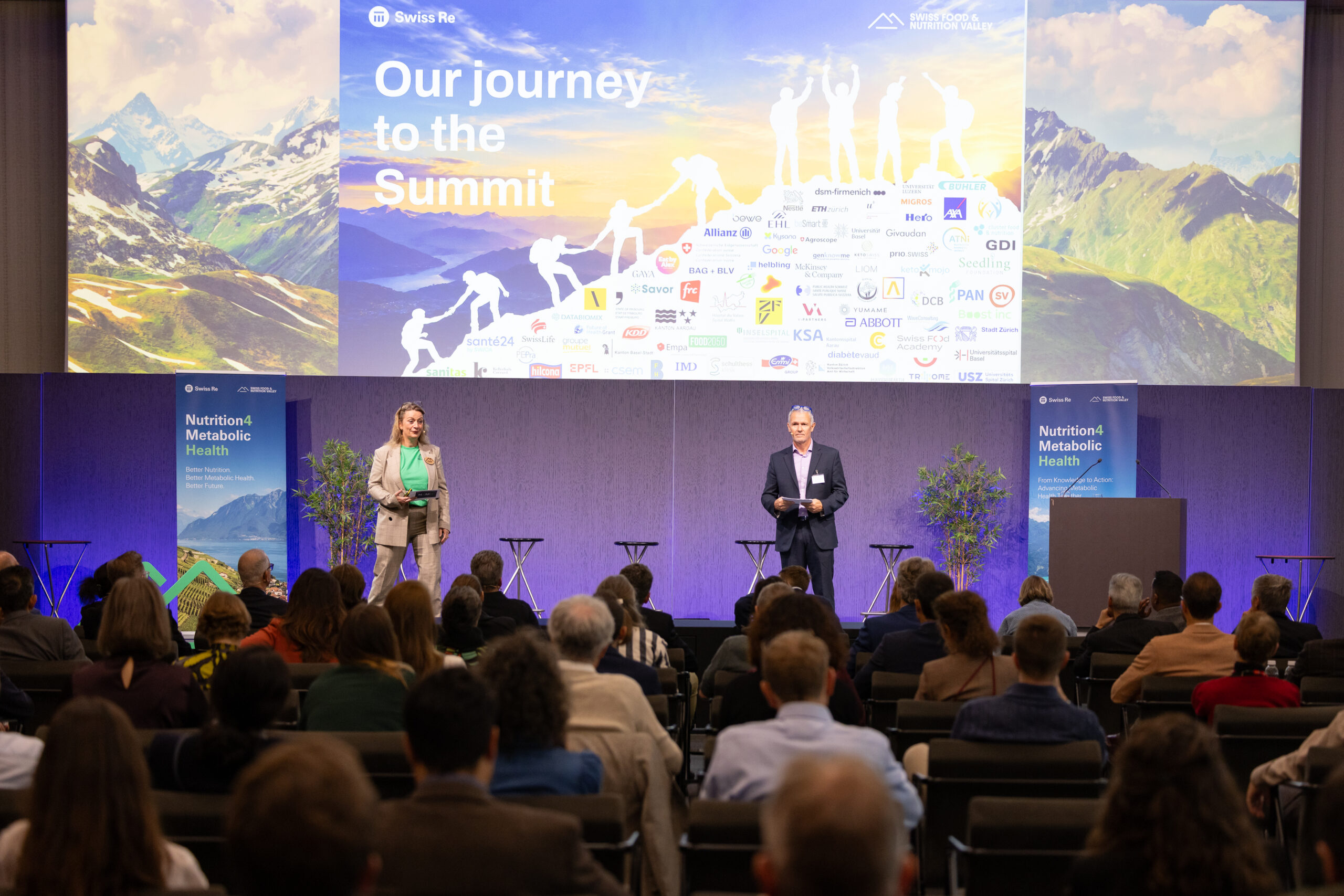
On 3-4 November, the Swiss Re Centre for Global Dialogue hosted the Nutrition4MetabolicHealth Summit, co-organised by Swiss Food & Nutrition Valley and Swiss Re. Over two days, 25 speakers shared how Switzerland can help shape the future of metabolic health.
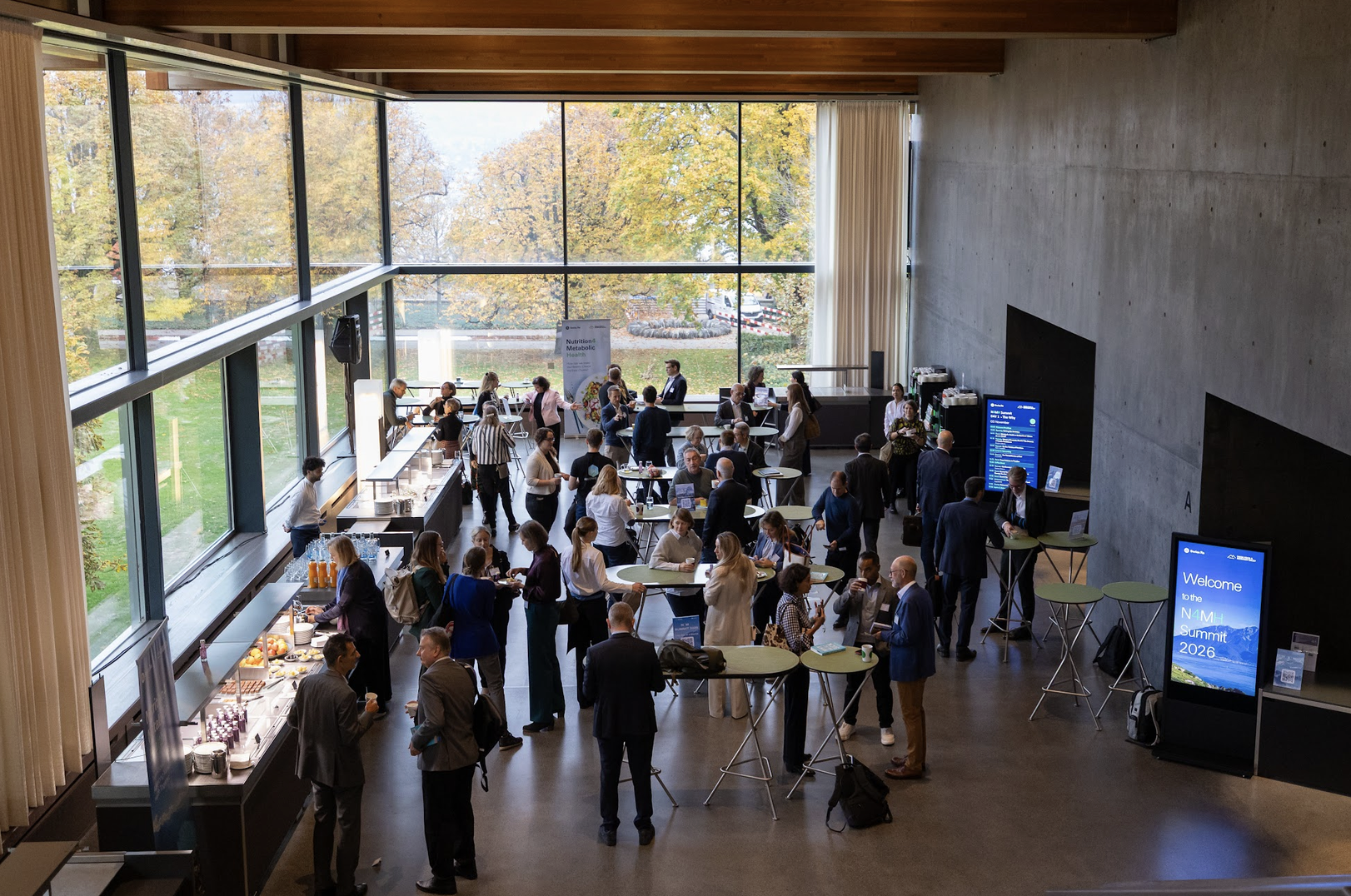
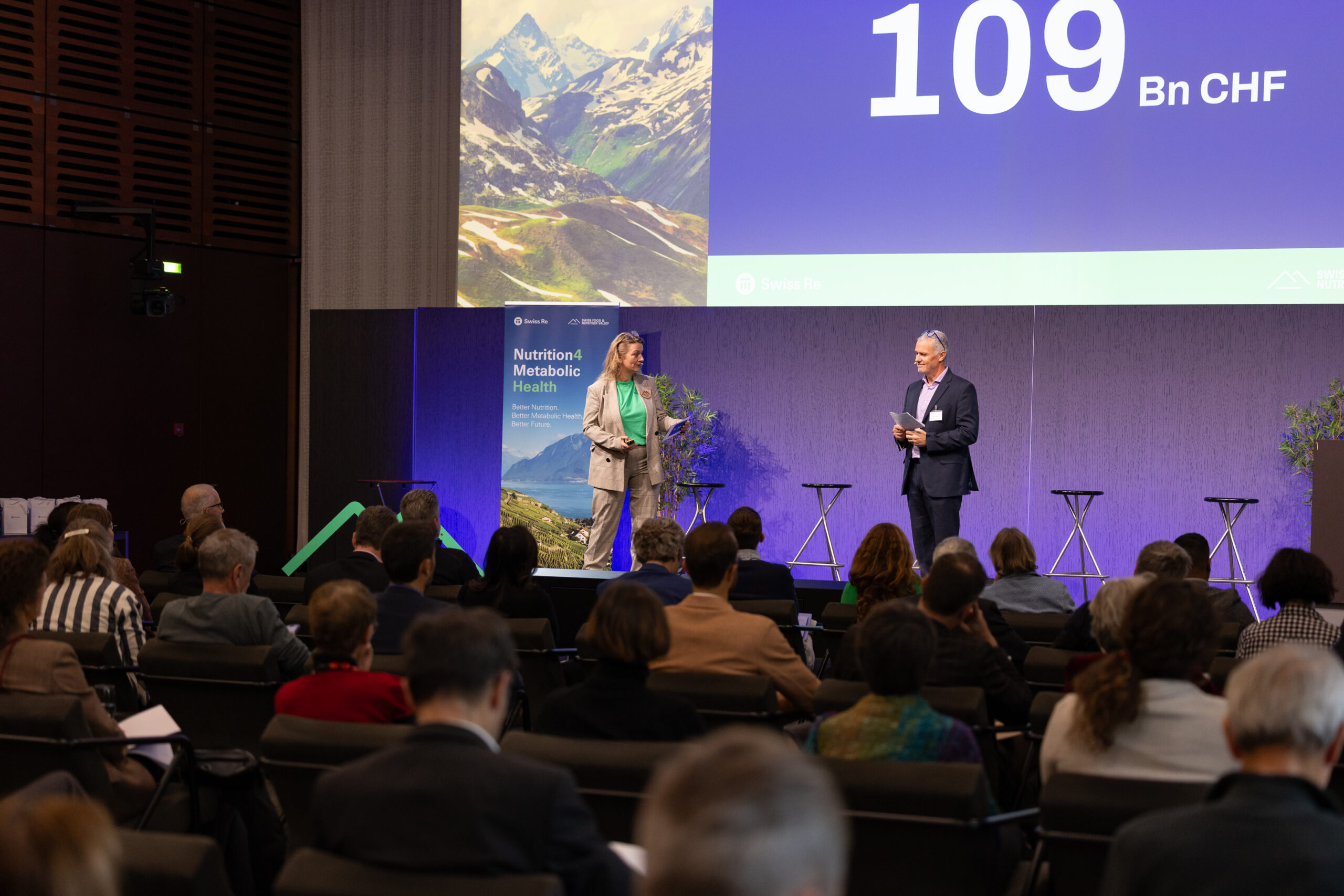
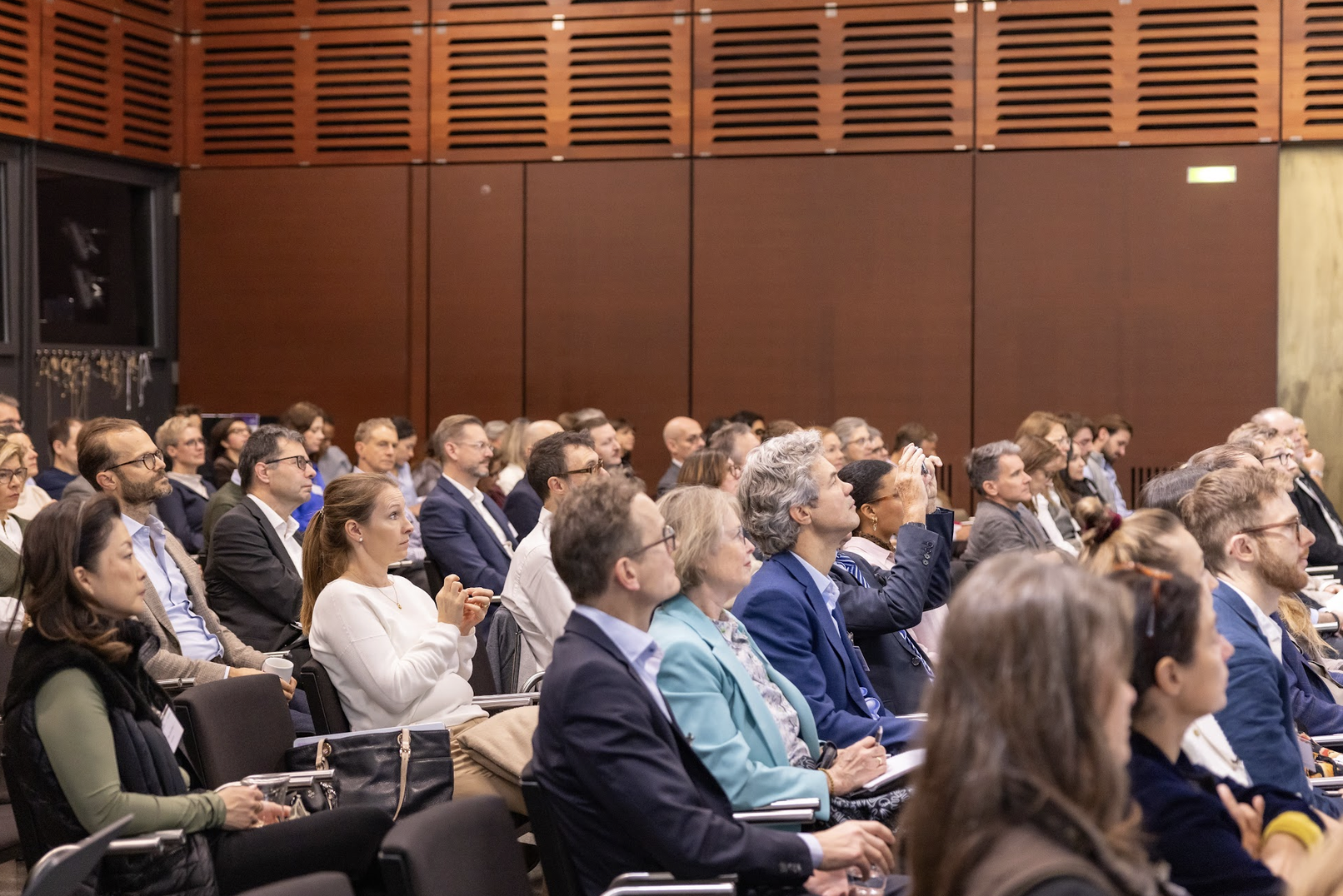
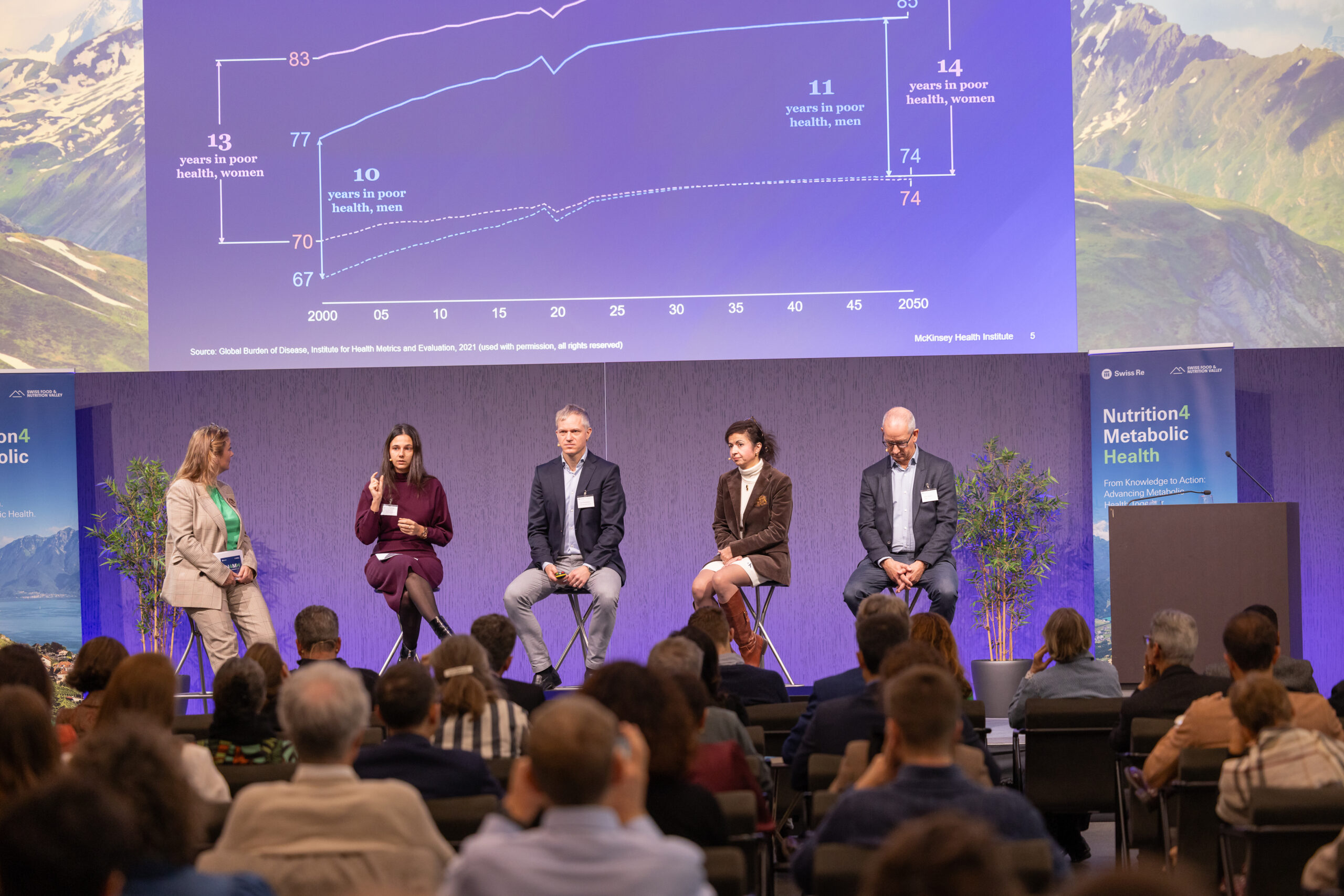
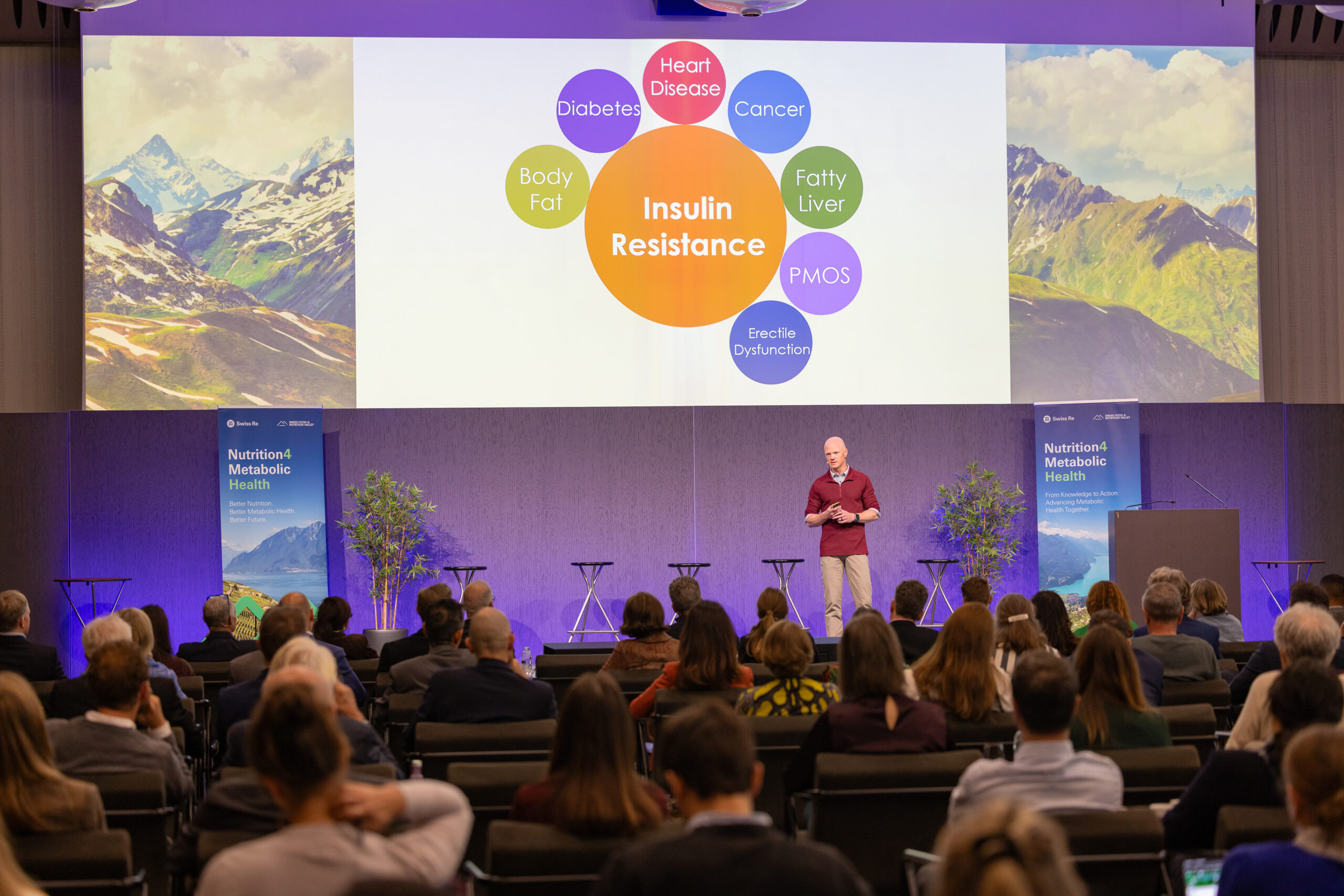
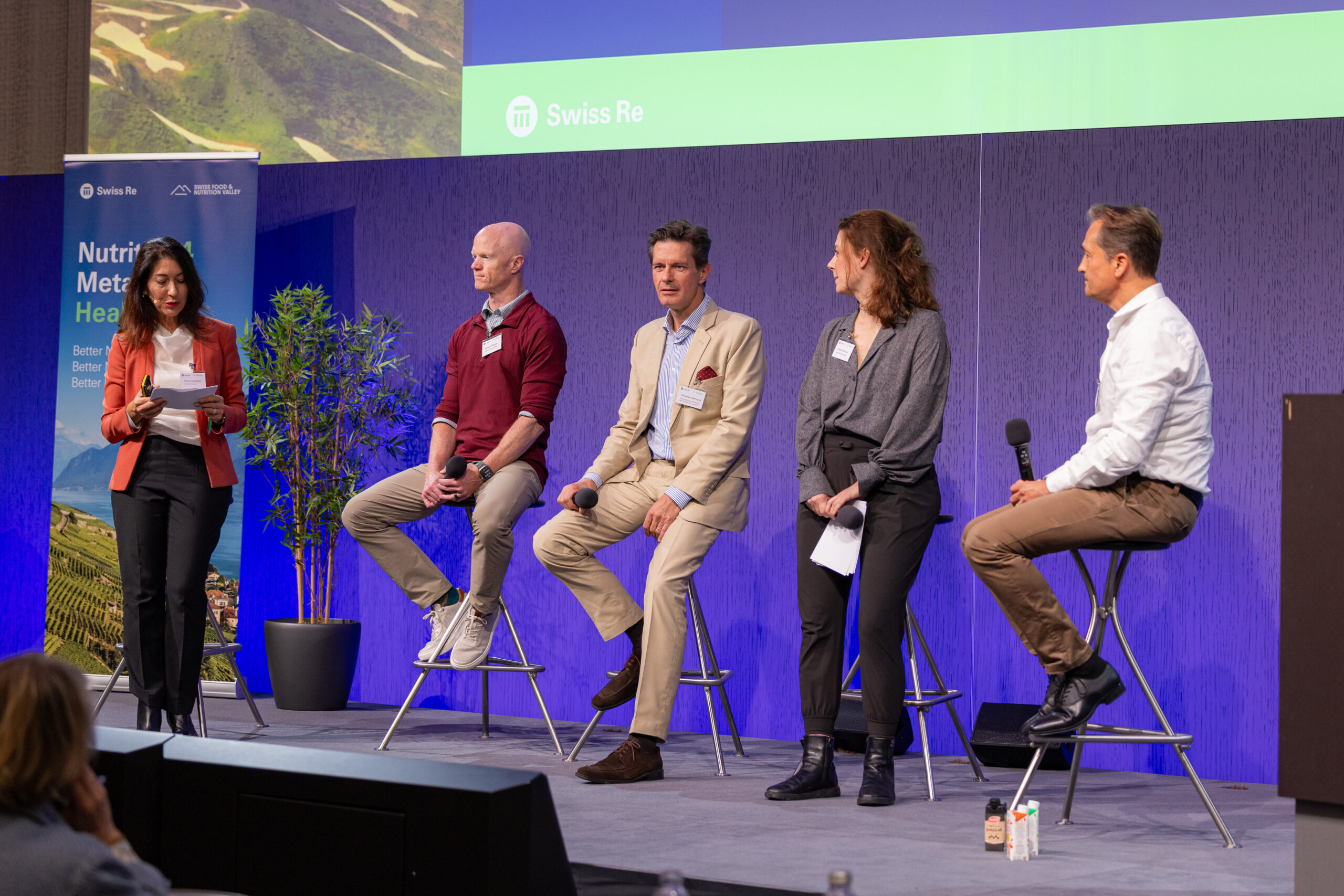
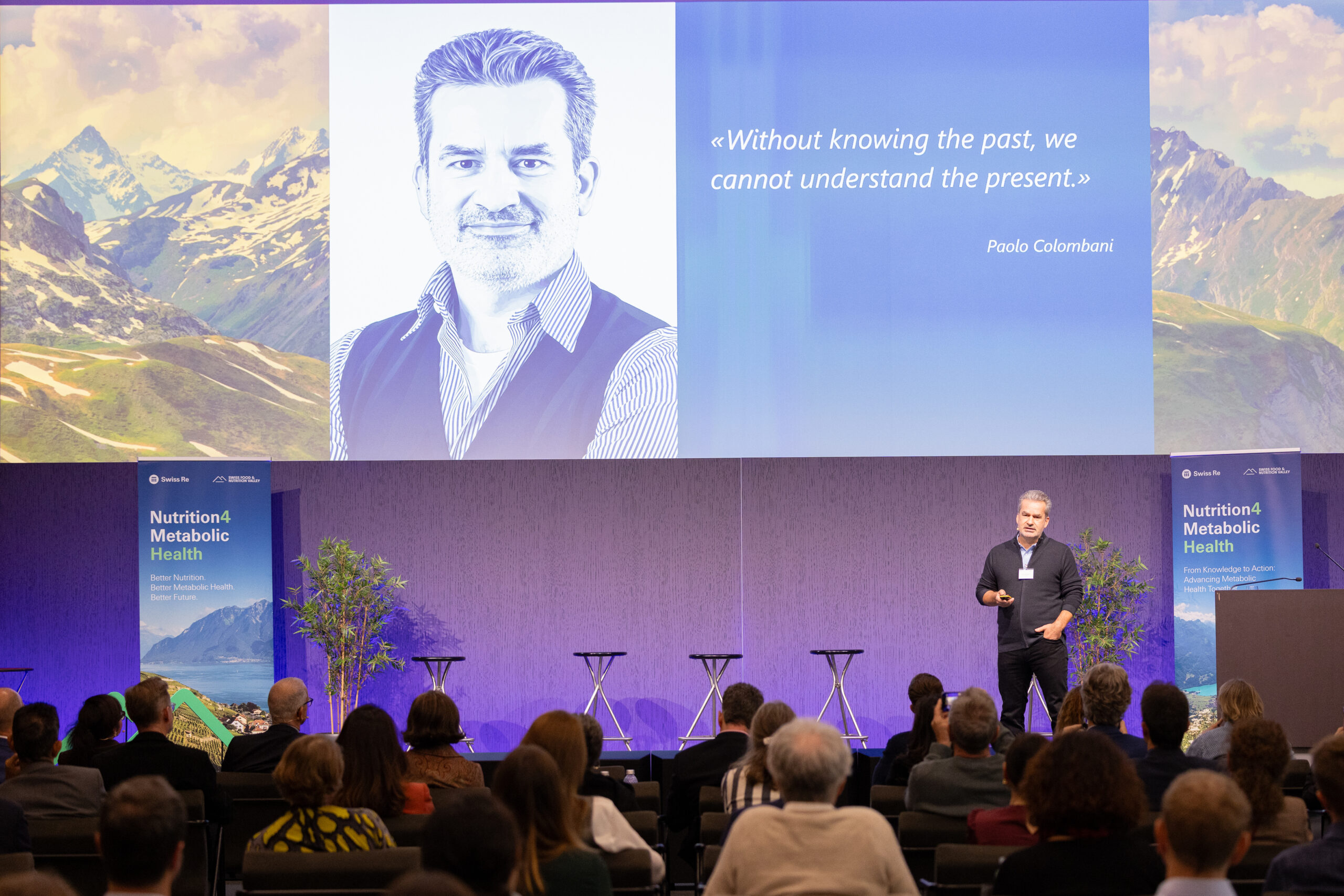
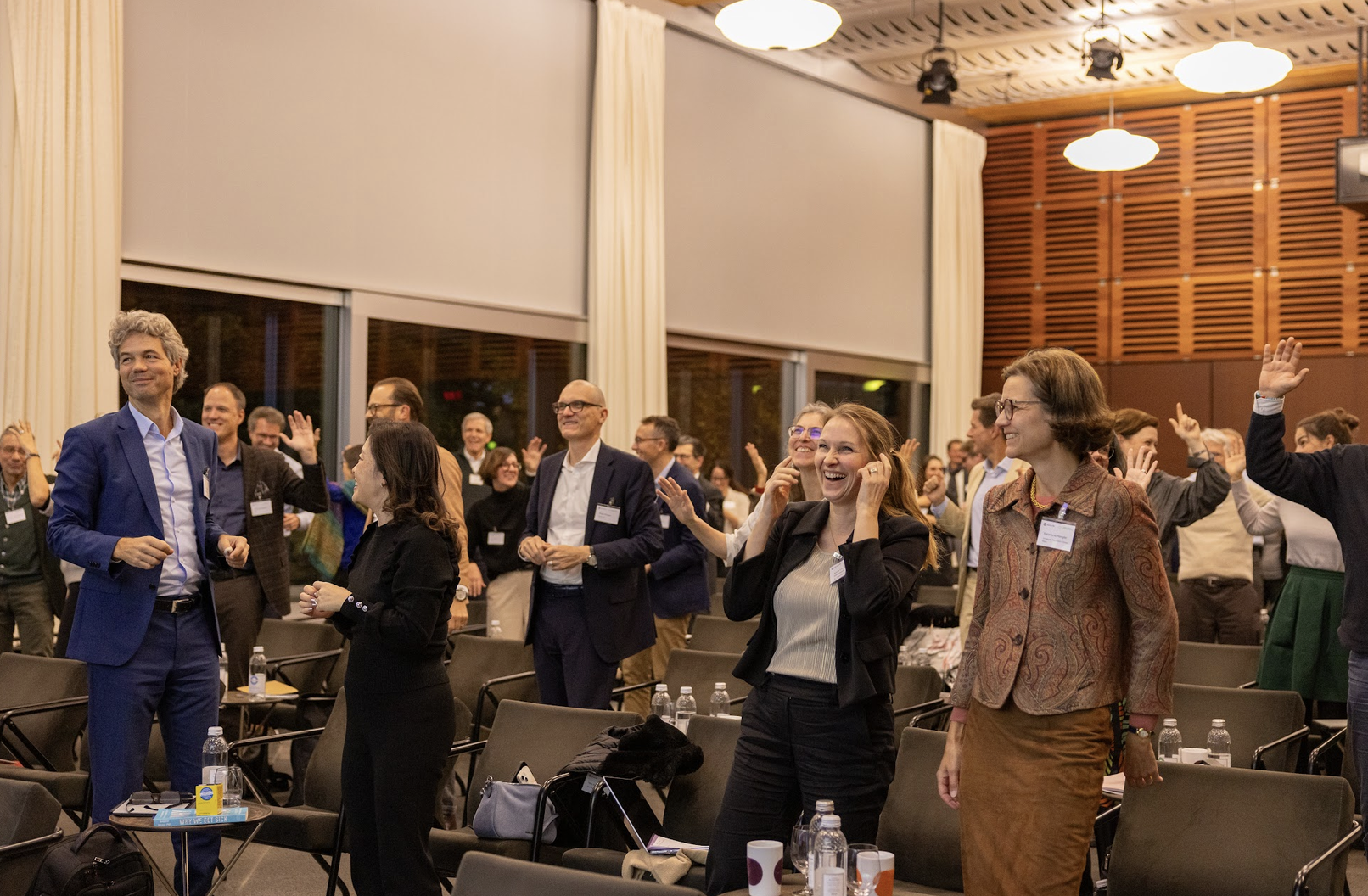
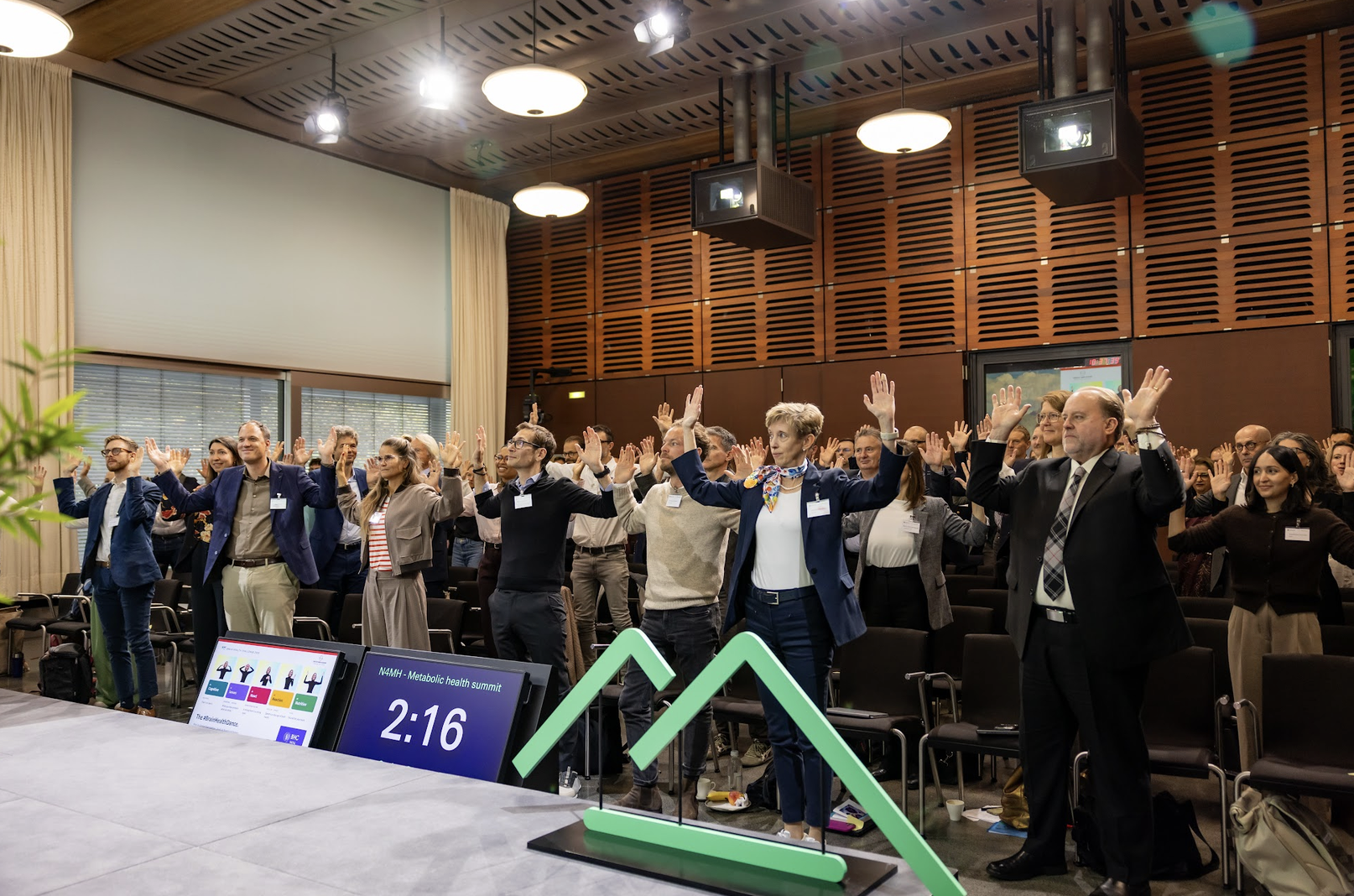
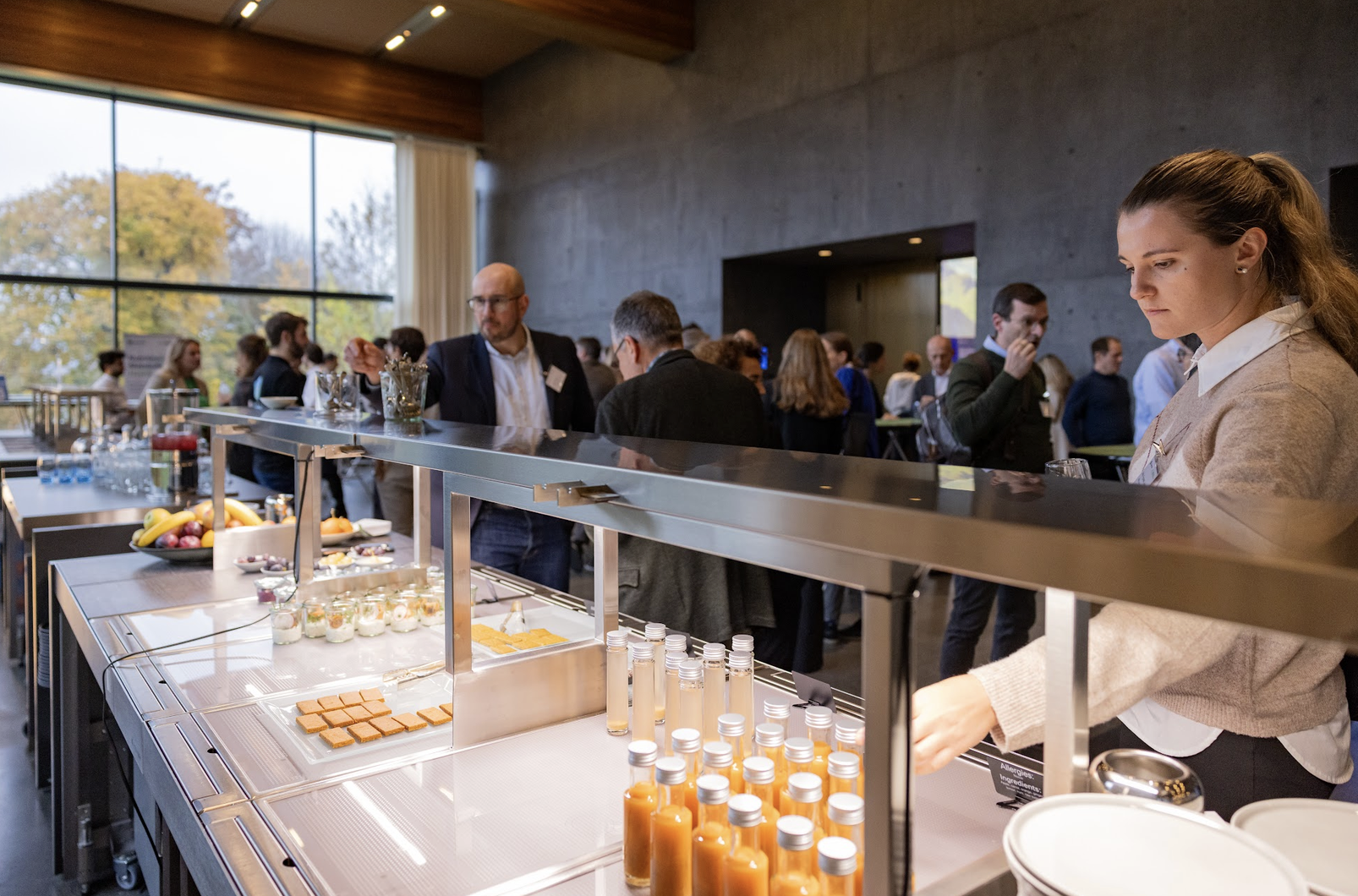
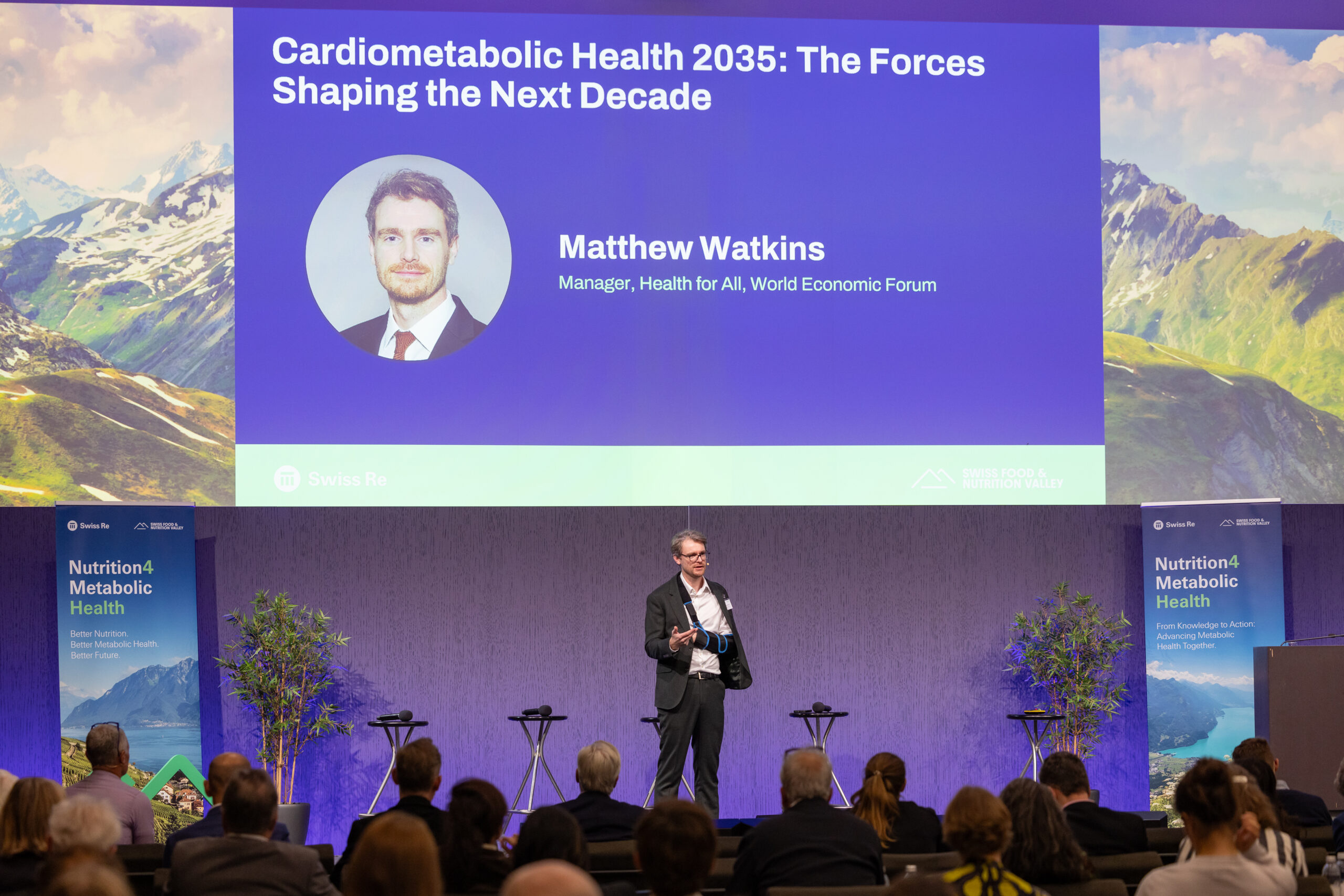
Day 1: Rethinking metabolic health
Where does Switzerland stand and how can we change the trajectory?
From insulin resistance with Benjamin Bikman to the history of nutrition with Paolo Colombani the morning laid the scientific groundwork. The message was simple: better health starts with making everyday food choices easier to understand and easier for everyone to make.
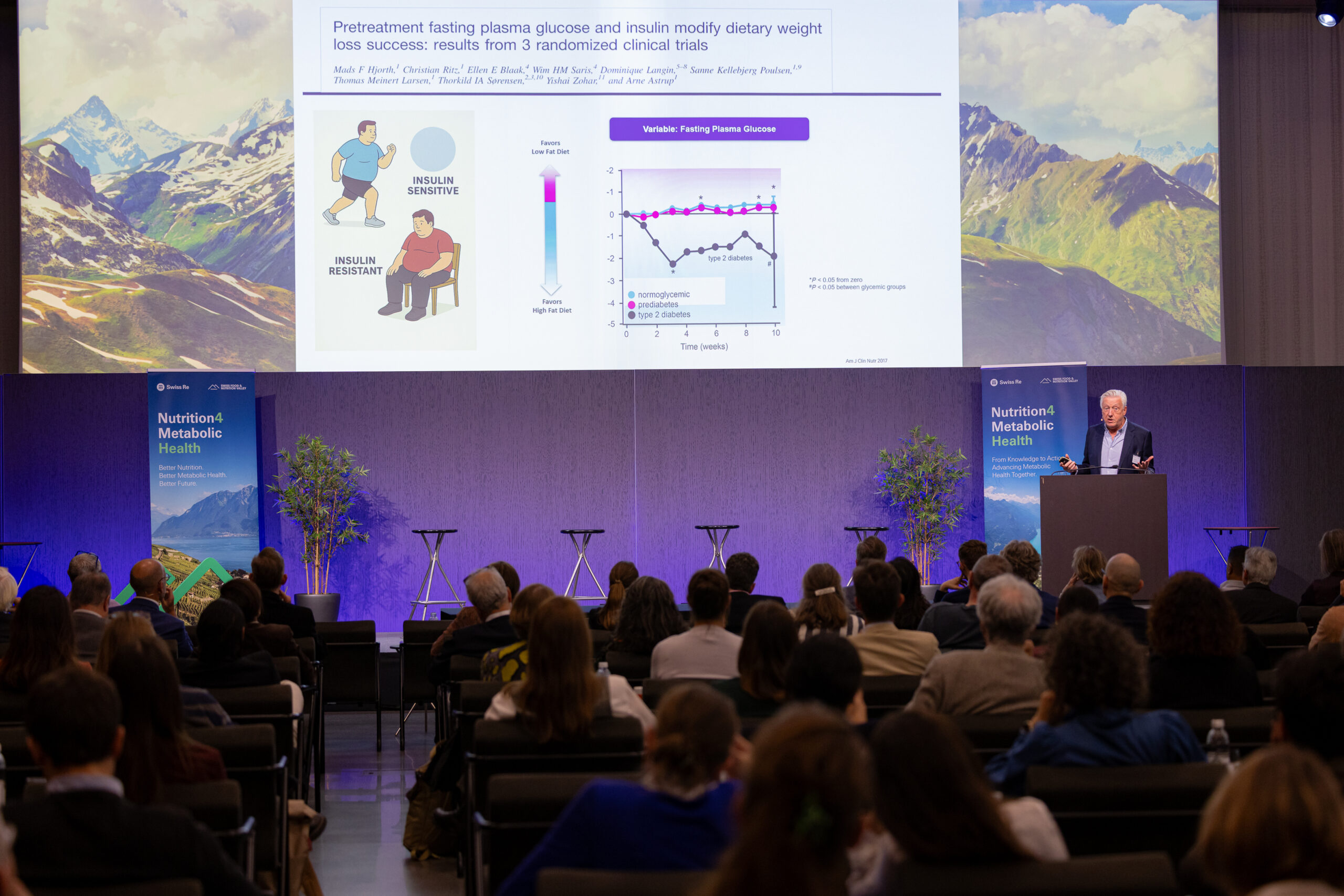
Next up, Arne Astrup called for the “rehabilitation of fat”, arguing that nutrition advice now misses the importance of the whole food matrix. He left us with the thought-provoking question: If the scientific evidence is growing, the clinical results are accumulating, and the societal benefits are obvious, what is still holding us back?
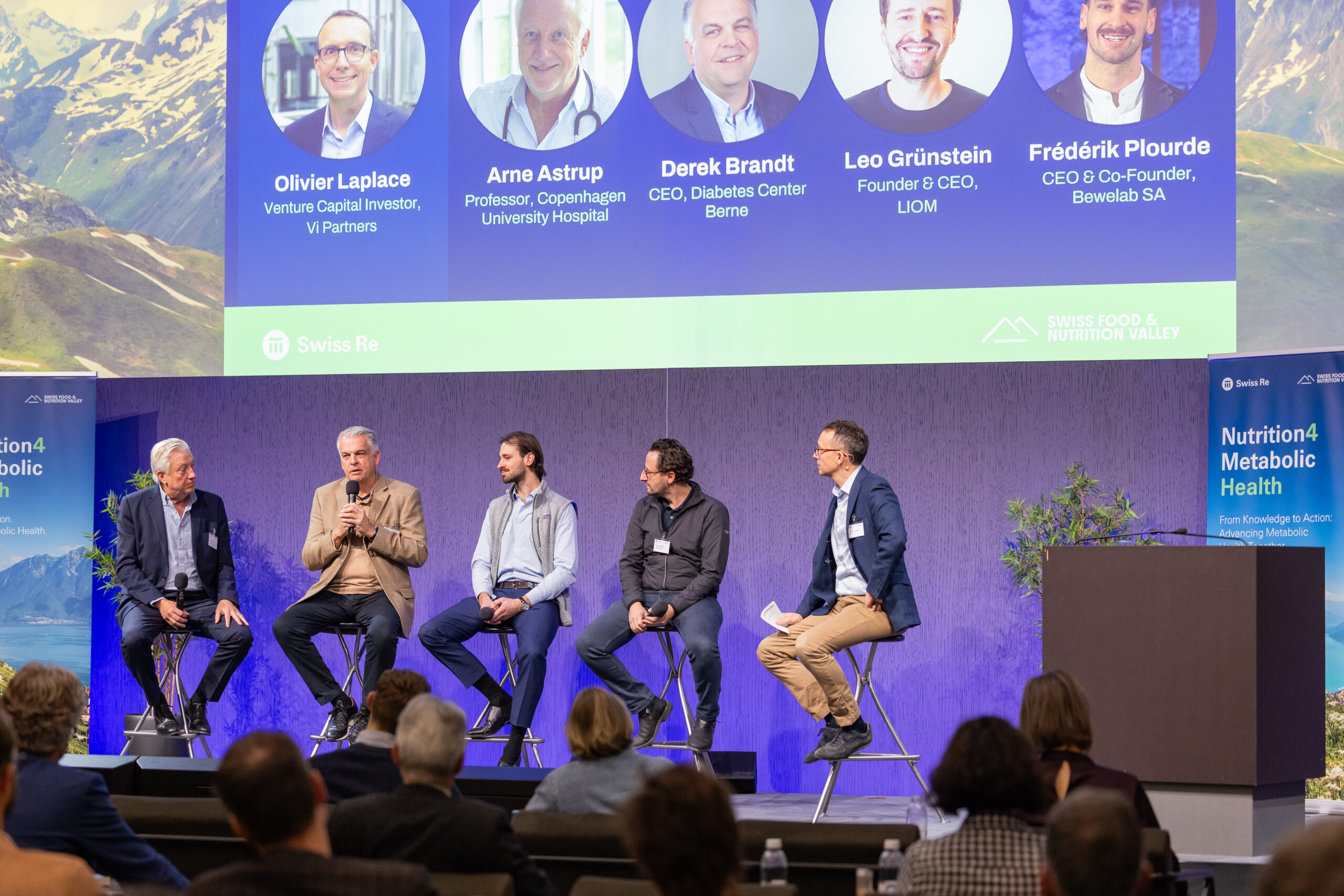
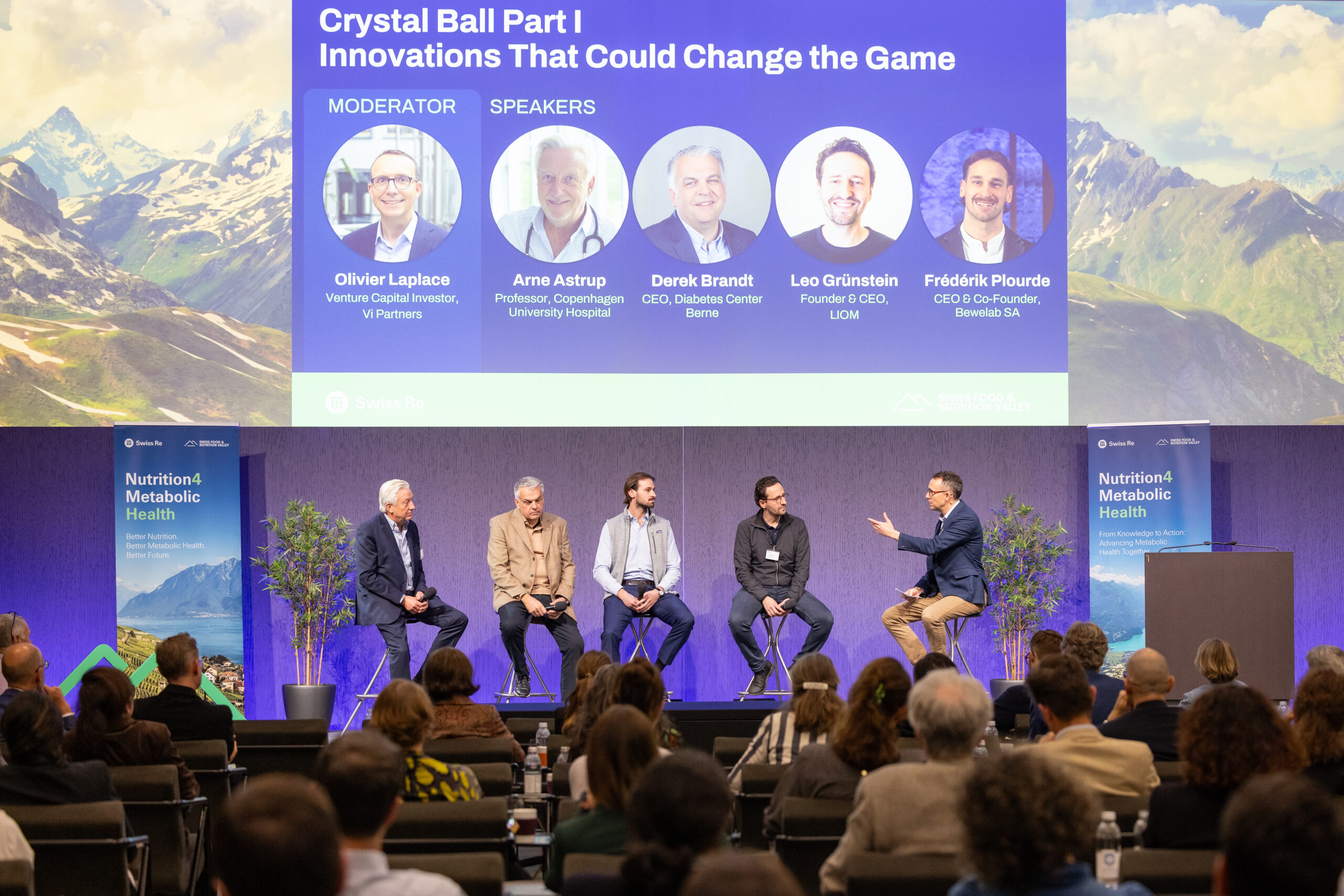
The conversation moved swiftly from theory to practice, with experts tackling the realities of translating evidence into everyday life, followed by two Crystal Ball sessions exploring the innovations and nutritional breakthroughs that could reshape cardiometabolic health.
The takeaway: Science is evolving, and the opportunity to turn that science into meaningful change is enormous.
Throughout the day, attendees received 10 video postcards from across the world, from the UK and USA to Mexico, South America and New Zealand.
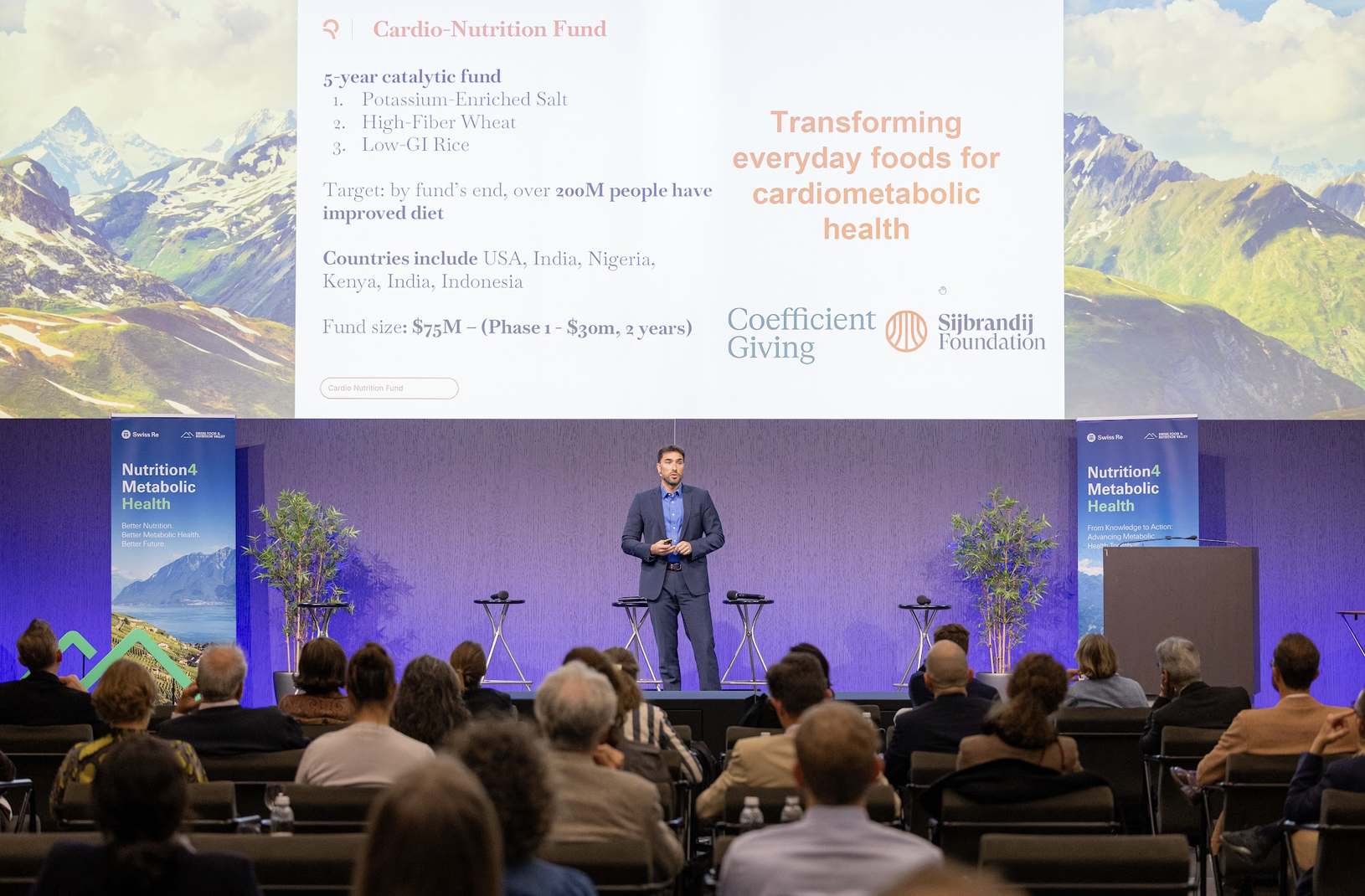
The first day ended with an exciting glimpse of what's to come, as Greg Garrett from ATNi shared a preview of the forthcoming $75 million Cardio-Nutrition Fund, hosted by Resaissance Philanthropy, designed to transform everyday foods to improve health outcomes.
Day 2: Turning ideas into action
How do we translate the ideas, partnerships and commitments into real change?
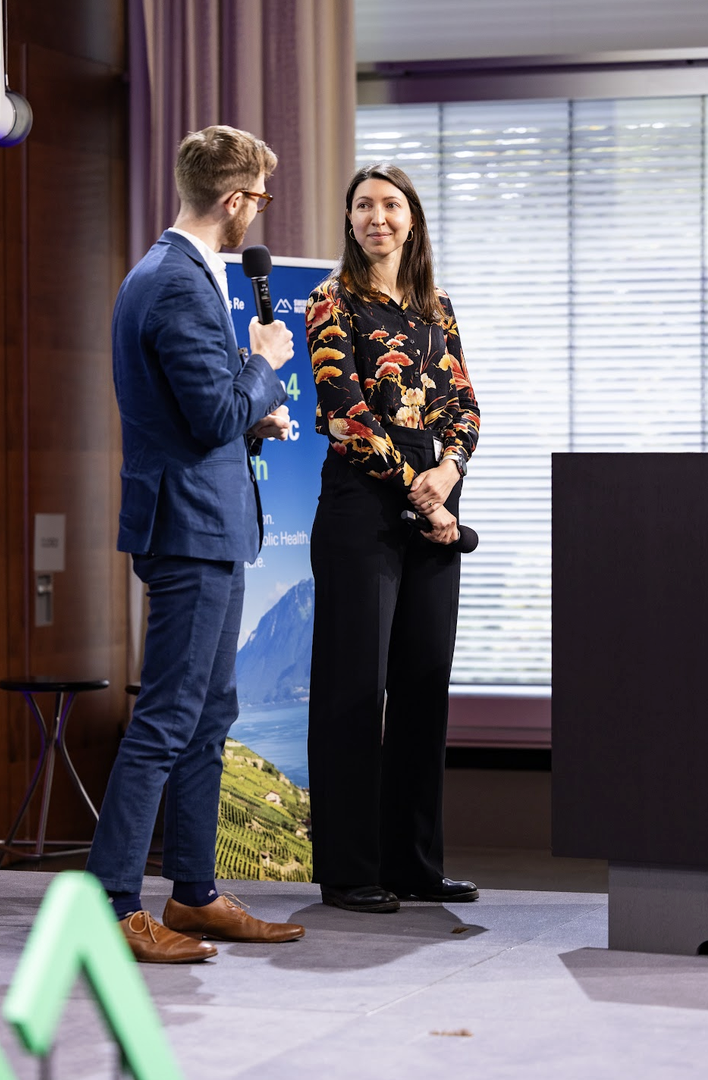
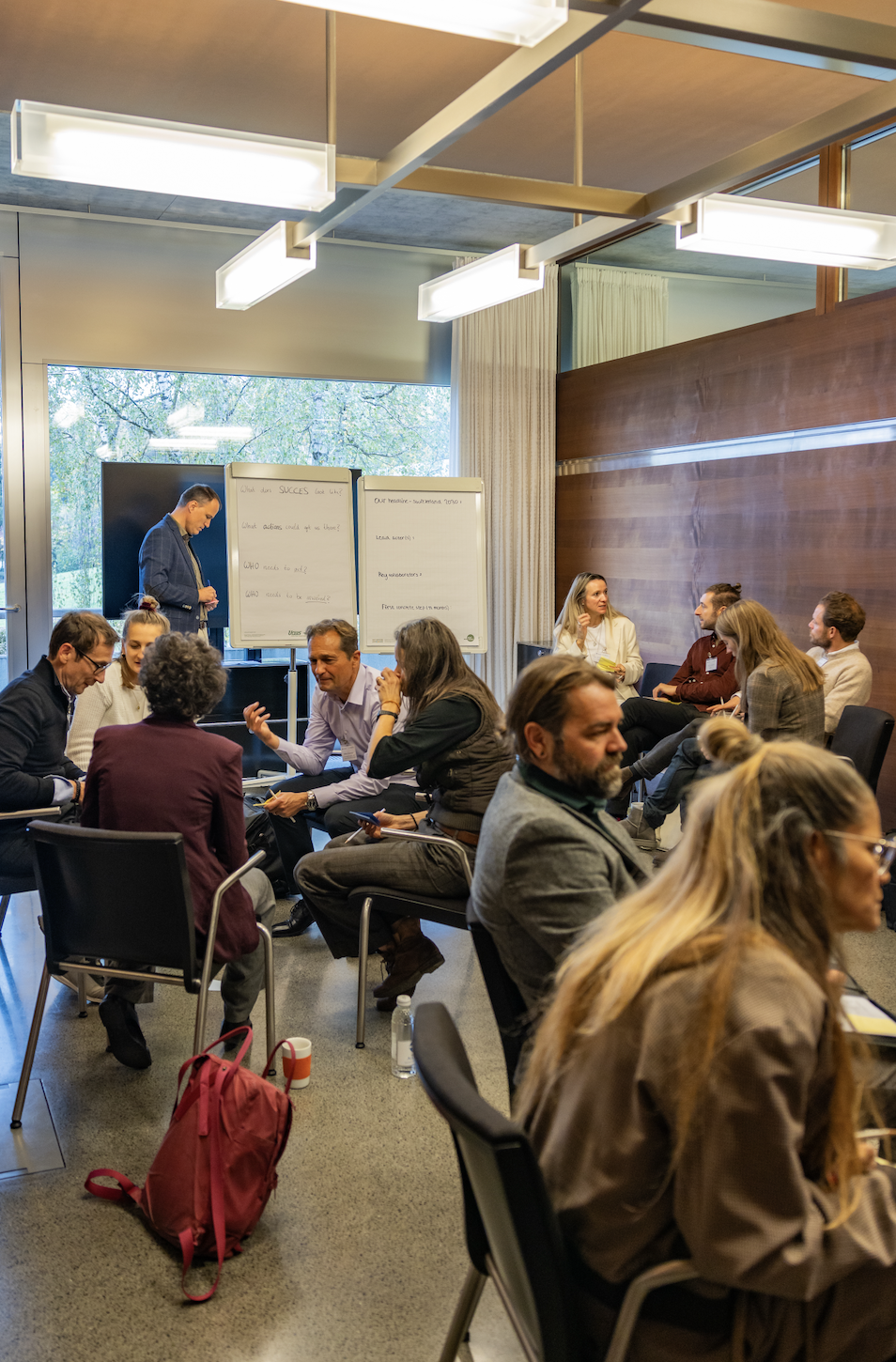
Day 2 got down to the business of what to do about metabolic health. From food producers and foodservice providers to healthcare professionals, startups, insurers and public health organisations, the Swiss Spotlights session showcased 23 colleagues working on metabolic health across Switzerland.
Then the room became a working lab: five Challenge Labs brought participants together to co-create solutions spanning the food industry, workplaces and schools, healthcare, digital health and policy.
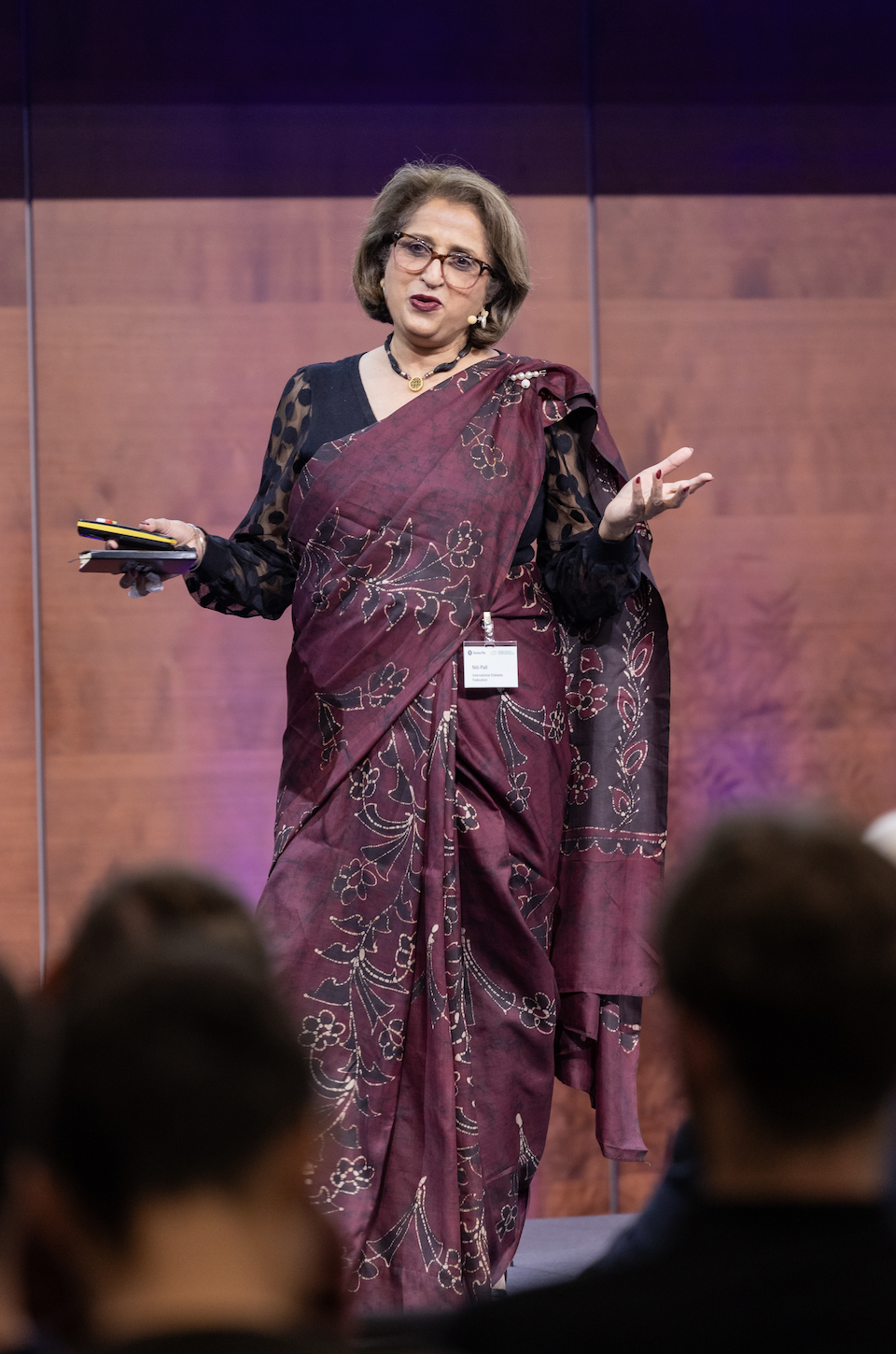
The focus shifted from identifying the problem to finding practical ways to tackle it. Two inspiring keynotes brought fresh perspectives to the conversation. Niti Pall explored how digital health and AI could strengthen prevention, while Heike Bischoff-Ferrari connected nutrition with the biology of aging, making the case for protecting health long before old age arrives.
The Summit closed with outcomes, commitments and a forward-looking question: how can Switzerland turn growing awareness of metabolic health into lasting, measurable progress? Better metabolic health is an opportunity to rethink how we eat, work, age and live.
Where it all began
The Summit was the culmination of a year of work. Before it came a series of four roundtables at Swiss Re, which moved the conversation from naming the barriers to asking what each sector can actually do.
At the roundtable on empowering citizens, participants set out the scale of the challenge: Swiss health costs now exceed CHF 100 billion a year, most of it driven by preventable non-communicable diseases, while only a small share of spending goes to prevention.
The fourth and final roundtable added a clear message: healthier choices are not a willpower problem. They depend on the environment, from what is on the shelf to what the system rewards.
Collaboration and commitment
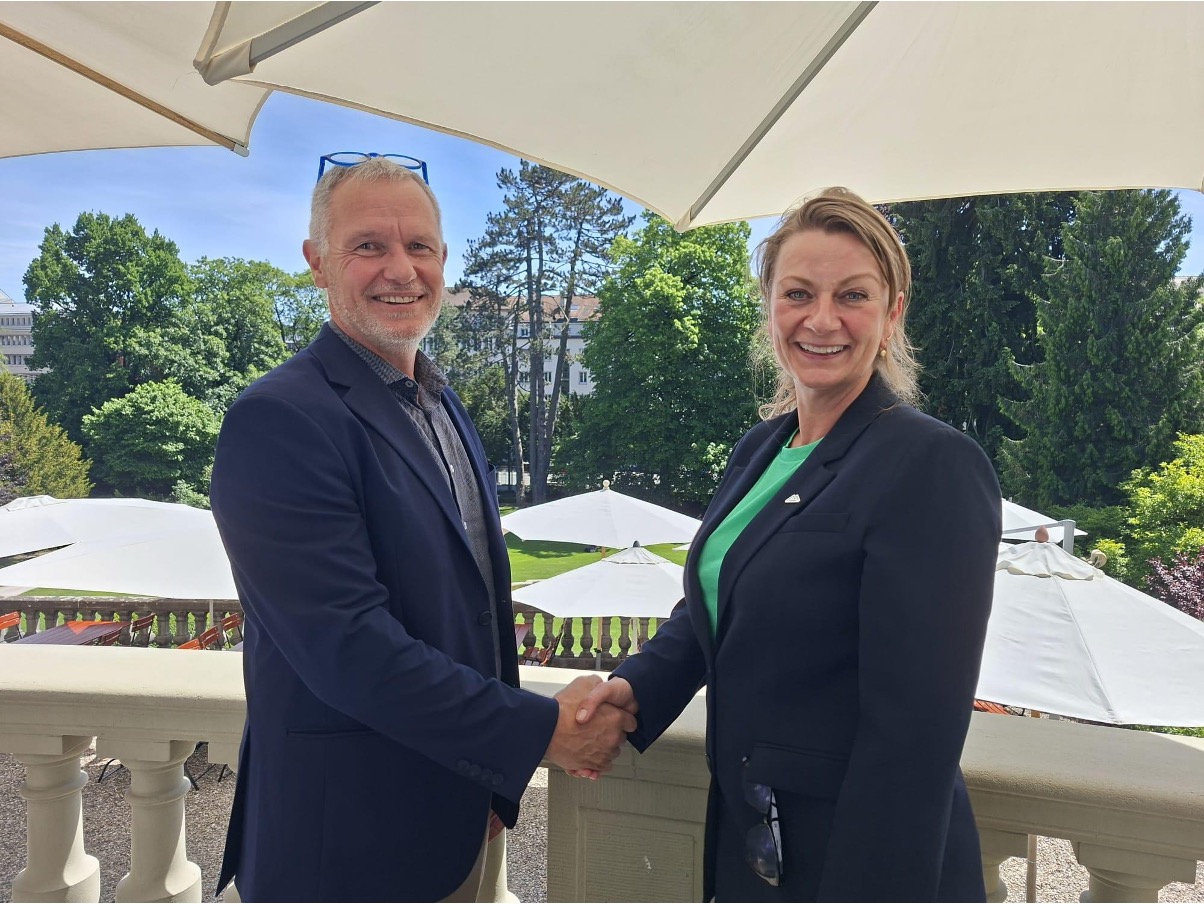
The Summit is part of a longer commitment, together with Swiss Re.
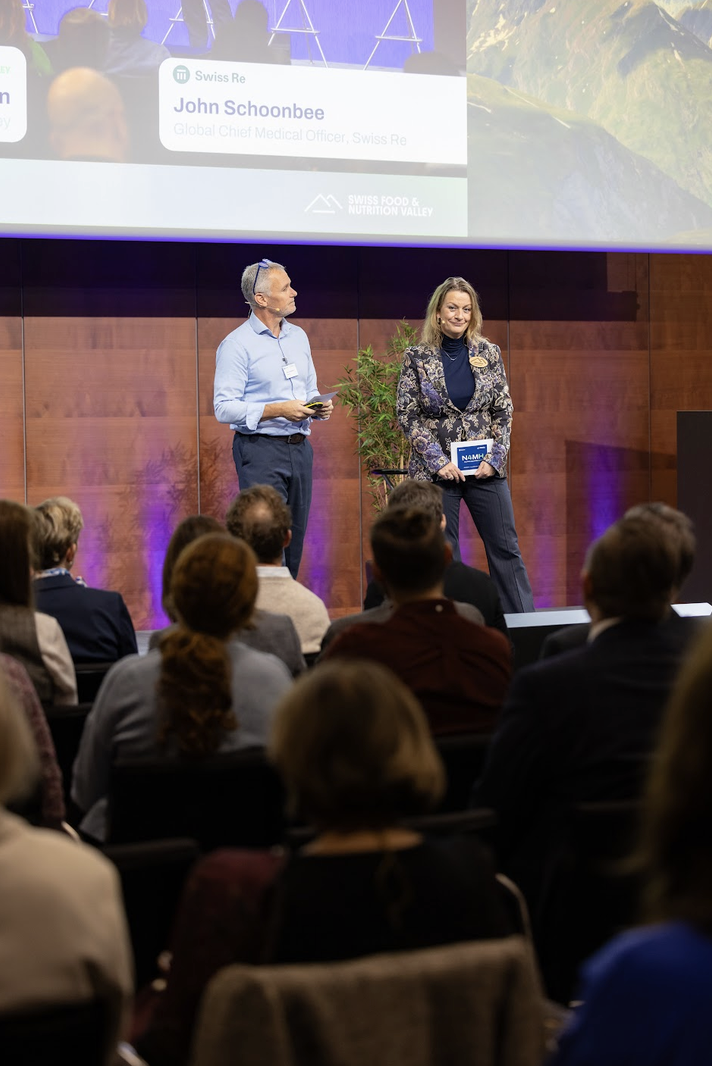
Speaking earlier this year, John Schoonbee, Global Chief Medical Officer at Swiss Re, explained why a reinsurer is investing in nutrition: “Nutrition is one of the most powerful levers we have to improve health outcomes before people become ill.” He was equally clear that the goal is action, not another talking shop: “We don’t want to just create another platform for discussion. We want to test ideas, learn from the evidence and identify approaches that can make a measurable difference to people’s lives.”
After the Summit, John added: “The challenge is not simply telling people what they should eat. We need to create environments, systems and incentives that make healthier choices easier and more accessible.”
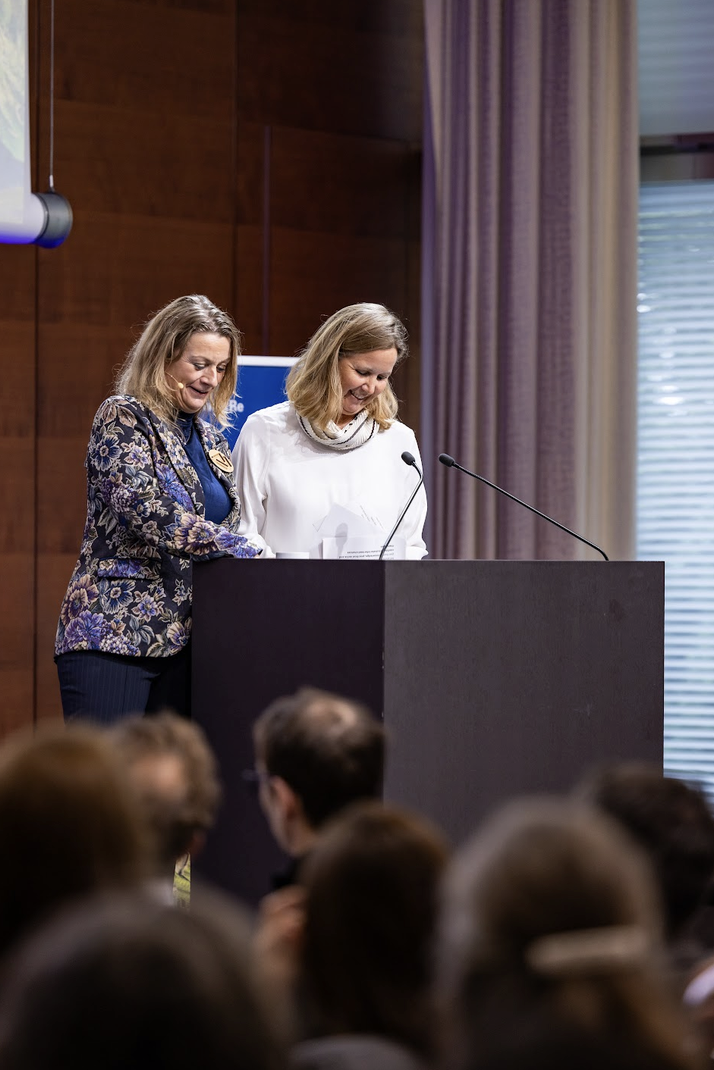
Christina Senn-Jakobsen, CEO of Swiss Food & Nutrition Valley echoed these thoughts, adding:“Switzerland has a unique opportunity to become a frontrunner in nutrition for metabolic health. The Summit has revealed the incredible expertise, innovation power and commitment that exists across our ecosystem. It’s shown the power of bringing diverse perspectives and complementary strengths together around a shared ambition. Now it is about turning this collective energy and knowledge into concrete action and solutions. Because ultimately, our goal is to make the healthy choice the easy choice – for everyone.”
What happens next?
The focus now shifts from discussion to delivery as the 3-year Nutrition4MetabolicHealth initiative moves into its next phase in 2027.
Next year, the team will focus on creating small, real-world pilots (Gemba Labs), in which partners will test ideas in a real setting, learn quickly and share what they find, while continuing to grow the Nutrition4MetabolicHealth community.