How Voltiris is building on its Helbling Venture Challenge success

How Voltiris is building on its Helbling Venture Challenge success
Givaudan TW Startup Challenge

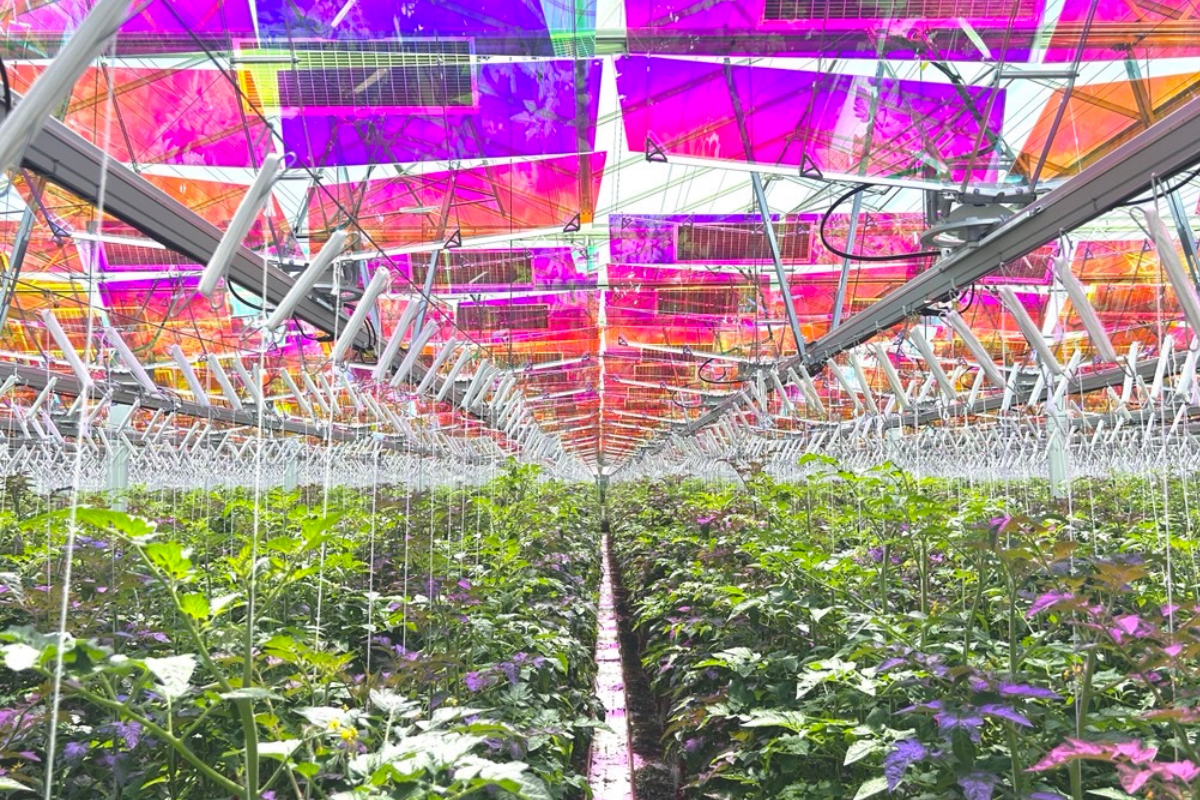
When Voltiris won the Helbling Venture Challenge 2025, the Swiss climate-tech startup impressed the jury with its innovative approach to greenhouse agriculture. By intelligently harnessing different parts of the light spectrum, Voltiris enables greenhouses to produce both food and solar energy simultaneously, helping growers improve sustainability, resilience and resource efficiency.

Seven months later, the company continues to build momentum, demonstrating how the right combination of innovation, expertise and collaboration can help promising technologies scale their impact.

Winning the Helbling Venture Challenge

The Helbling Venture Challenge supports ambitious startups tackling major technological challenges. Beyond recognition, the winning company receives hands-on product development support from Helbling Technik's multidisciplinary team of engineers, designers and innovation experts.
For Voltiris, the challenge came at an important stage of growth. While the company already had a strong technological foundation, the collaboration created an opportunity to step back from day-to-day operations and focus on key strategic and development priorities.

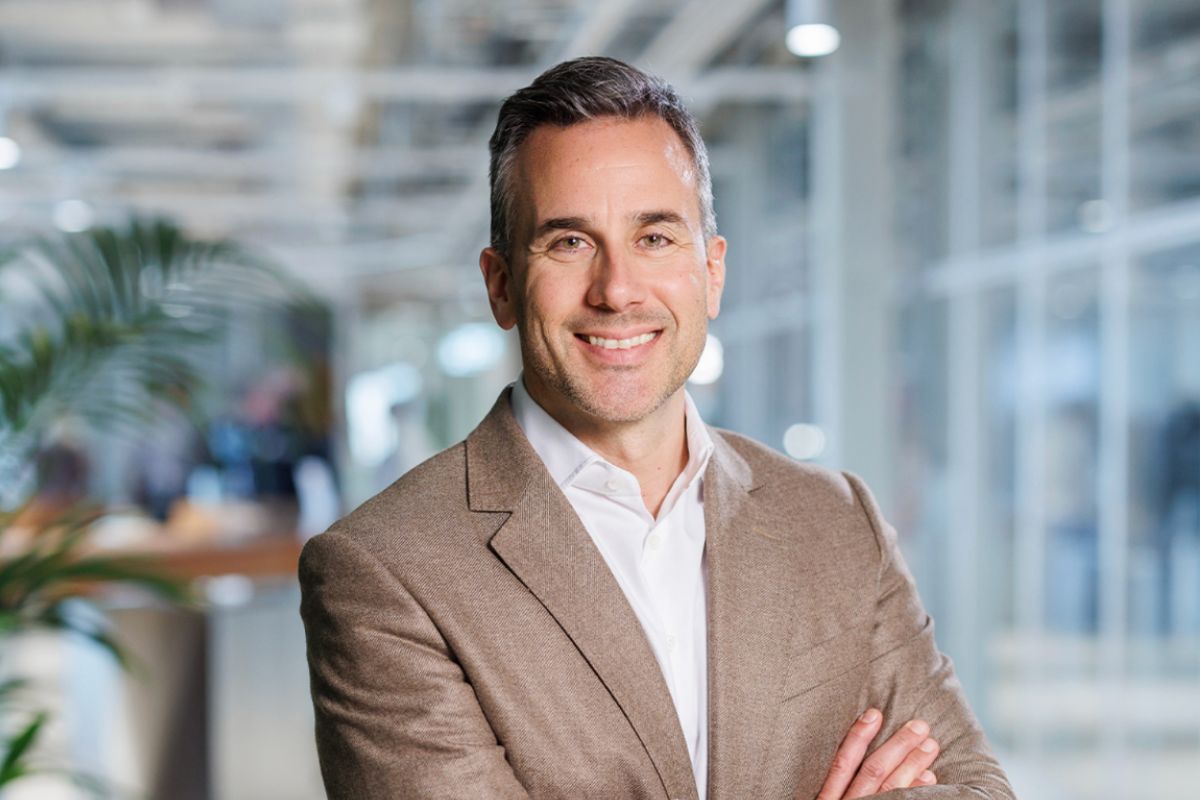
Commenting on the value of the challenge, Nicolas Weber, CEO & Co-Founder of Voltiris said, "Helbling Technik's engineering expertise came at a pivotal moment, as we move from a proven technology toward industrial-scale deployment. Working alongside their multidisciplinary team gave us access to real product development and industrialisation know-how. This helped us pressure-test our design choices, sharpen our development roadmap, and build confidence in how we scale our technology toward production. It's exactly the kind of hands-on technical partnership that helps a hardware startup turn a promising innovation into a robust, scalable product."

Creating strategic clarity for growth

Through workshops, ideation sessions and ongoing exchanges, Voltiris worked closely with Helbling's team to explore new concepts, validate opportunities and further refine its roadmap. The structured approach helped align technology development even more closely with evolving market needs, while also creating space to reflect on topics such as scalability, market positioning and long-term product evolution.

The collaboration highlights how partnerships between startups and experienced innovation teams can go beyond accelerating technology development. They can also provide strategic clarity, strengthen resilience and help companies navigate the challenges that come with growth.

Reflecting on the collaboration, Nicolas Schärer, Managing Director and Partner at Helbling Technik highlighted the qualities that made Voltiris stand out: "Voltiris has both a compelling vision and a team with the determination to turn that vision into reality. Throughout the collaboration, we were impressed by their openness to challenge assumptions, explore new perspectives and continuously refine their approach. That's exactly the kind of mindset that helps innovation move from promising technology to real-world impact."

Looking ahead to the 2026 challenge

While Voltiris is building on the momentum created by its 2025 win, the next generation of Helbling Venture Challenge participants is already underway.

This year's edition focuses on Physical AI – intelligent systems that can perceive, understand and act in the physical world. From robotics and autonomous systems to smart industrial technologies, the challenge highlights startups working at the intersection of AI, engineering and real-world impact.

The Top 10 startups for the Helbling Venture Challenge 2026 have now been selected. Over the coming months, the teams will work closely with Helbling experts as they refine their technologies and prepare for the final pitch event in September.

Find out which startups made the list here

Get the latest Swiss food innovation news, events and jobs in your inbox.

Latest News

Atinary Named a World Economic Forum 2026 Technology Pioneer

Atinary Named a World Economic Forum 2026 Technology Pioneer

Givaudan TW Startup Challenge

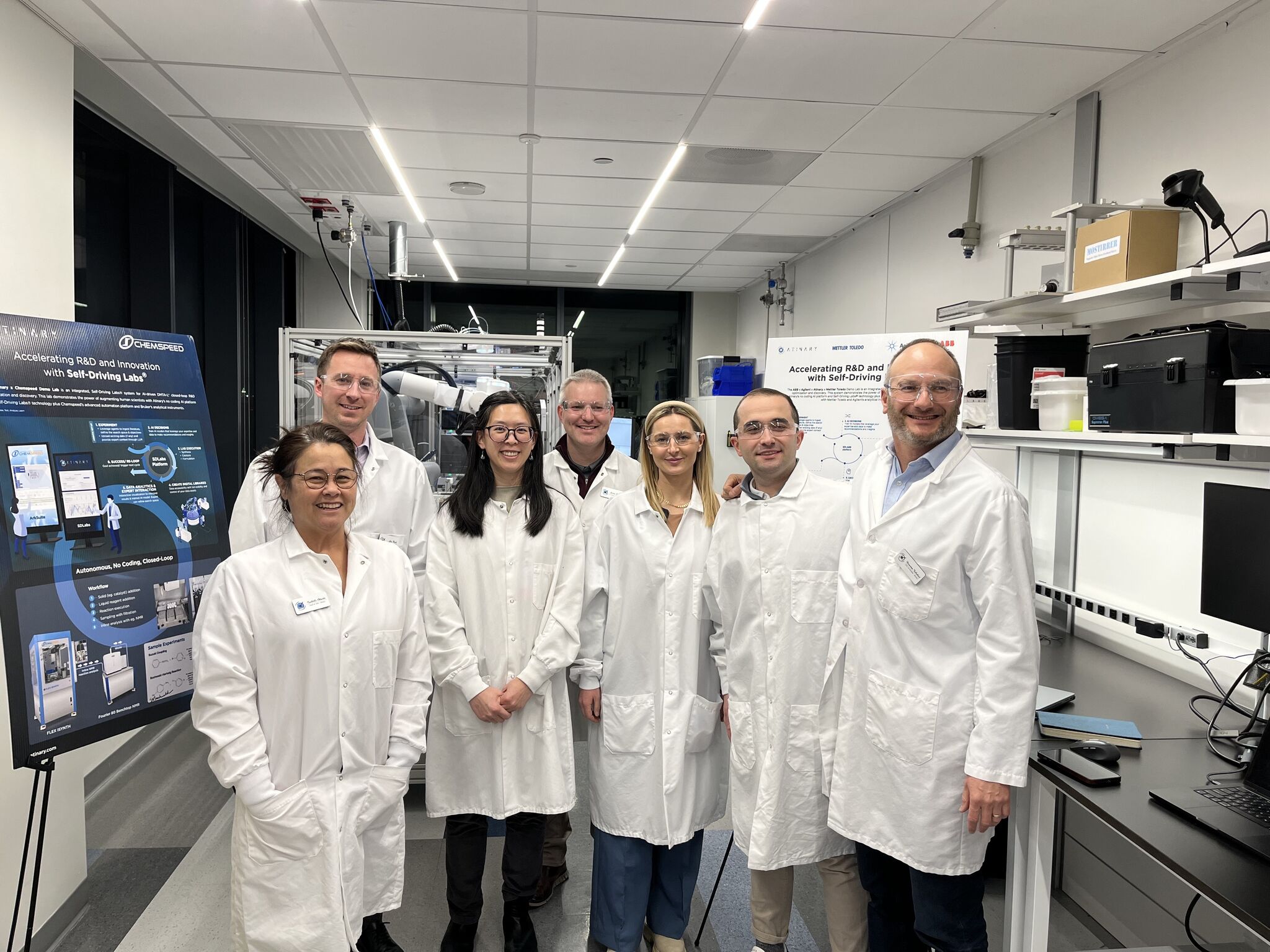
Valley partner, Atinary, the pioneer in Self-Driving Labs®, has been selected as a 2026 Technology Pioneer by the World Economic Forum. The company joins an elite global group of leading technology start-ups recognized for their transformative potential and commitment to addressing major global challenges.

Accelerating scientific discovery 

Atinary is redefining the R&D paradigm by augmenting humans with AI and robotics to accelerate scientific discovery exponentially to tackle planetary challenges in health, energy, and sustainability.

Atinary’s cloud-based, code-free, and agentic AI platform, SDLabs®, enables a seamless transition from human-driven R&D to AI-driven and data-driven experimentation, executing the Design-Make-Test-Analyze and Learn (DMTA+L) closed-loop. By replacing traditional, linear experimentation workflows with a more efficient and systematic search of huge combinatorial spaces further enhanced with automated self-driving capabilities, Atinary compresses research and discovery timelines from decades to weeks.

Moving AI into the physical world 

Atinary launched its new Self-Driving Lab in Boston, Massachusetts. The Atinary Lab marks a critical step in moving AI beyond simulation and software into the physical world, executing scientific experiments, enabling faster, more reliable discovery across chemistry, materials, and pharmaceutical R&D. As a Technology Pioneer, Atinary will actively contribute to the Forum’s global platform, engaging with leaders across industries, governments, and civil society to scale the impact of exponential science.

About Atinary Technologies, Inc.

Atinary are the pioneers of Self-Driving Labs®, a term we coined in 2017. Their vision is to augment humans with AI and robotics to exponentially accelerate the discovery of breakthrough molecules that help tackle big challenges in health and sustainability. Since launching in 2019, they have built SDLabs, their code-free agentic AI platform. They also designed and opened their first Self-Driving Lab in Boston, in record time. Their partners include ABB Robotics, Agilent, Bruker, Chemspeed, Mettler-Toledo, and AWS.

Atinary is now building the best chemical datasets and AI models for chemistry. They have six years of validated results published with clients, including leading companies and universities. 

About the World Economic Forum

The World Economic Forum, committed to improving the state of the world, is the International Organization for Public-Private Cooperation. The Forum engages the foremost political, business and other leaders of society to shape global, regional and industry agendas (www.weforum.org).

About Technology Pioneers

Launched in 2000, the Technology Pioneers is a leading community for early-stage companies from around the world that are shaping the future through breakthrough technologies and innovations. These companies are selected for their potential to have a significant impact on business and society and are invited to engage with public and private sector leaders through the World Economic Forum’s global platform.

The Technology Pioneers community is part of the Innovator Communities at the World Economic Forum, which convene the world’s leading global start -ups across different growth stages from early-stage Technology Pioneers to growth-stage Global Innovators and unicorn companies.

Get the latest Swiss food innovation news, events and jobs in your inbox.

Latest News

Basel, Lucern and Zurich launch Food2050’s MenuCheck to help restaurants offer more sustainable menus

Basel, Lucern and Zurich launch Food2050’s MenuCheck to help restaurants offer more sustainable menus

Givaudan TW Startup Challenge

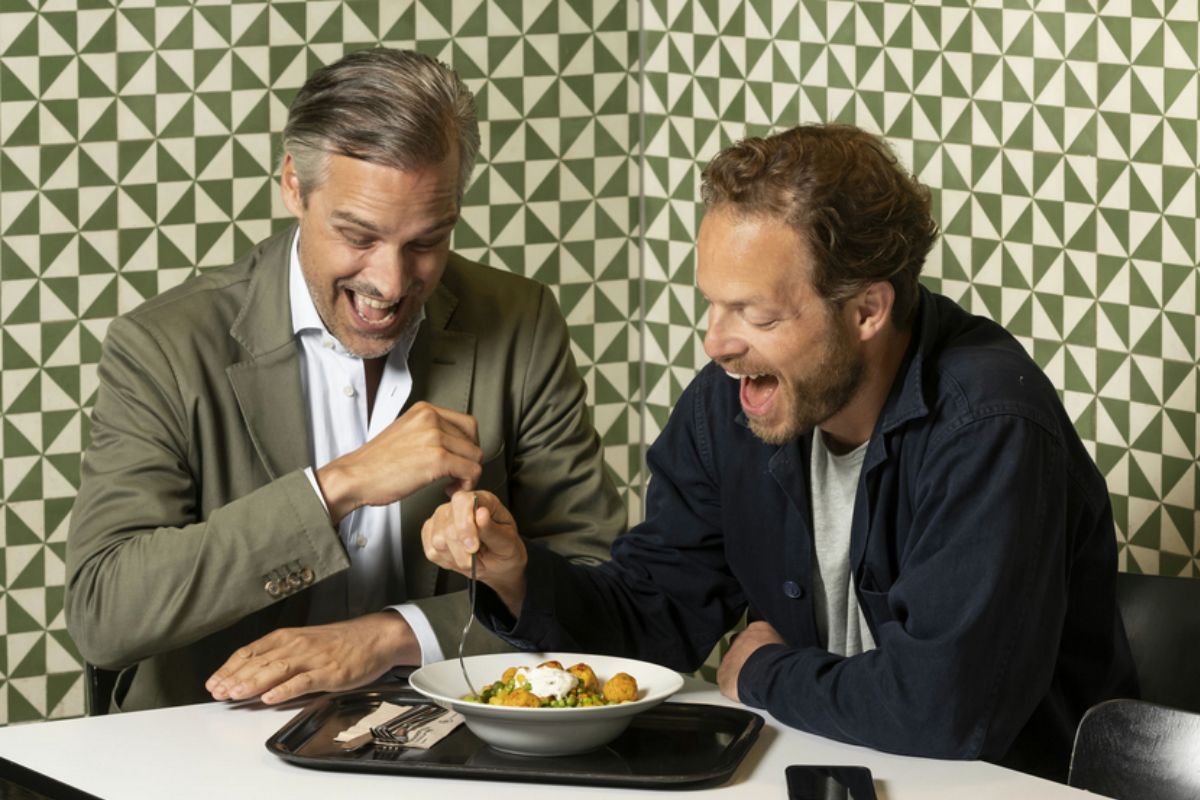
The cantons of Basel-Stadt, Lucerne, and Zurich, together with the City of Zurich, have jointly launched the free online tool MenuCheck, powered by Valley partner Food2050. The service is aimed at restaurants and foodservice businesses in the participating cantons and helps them analyse and optimise their menus with regard to climate impact in a simple and evidence-based way.

Making sustainability easy to measure

MenuCheck allows foodservice businesses to assess their dishes based on their menu. The tool identifies menu items and matches them to typical reference recipes. Using scientifically validated data, it visualises the climate friendliness of each dish, particularly its greenhouse gas emissions, through a simple traffic light system.

The underlying methodology calculates the climate impact of dishes while taking daily calorie and nutritional requirements into account. It draws on extensive standardised data covering the environmental impact of ingredients, supply chains, and production processes.

Practical benefits for the hospitality sector

MenuCheck provides businesses with a practical tool that can be used directly in day-to-day operations:

  • Fast analysis: Results are delivered by email within just a few minutes.
  • Concrete optimisation opportunities: Dishes can be compared, helping businesses improve the overall climate friendliness of their menu offering.
  • Competitive advantage: MenuCheck helps businesses create more climate-friendly menus that respond to growing consumer demand for sustainable dining options.

The goal is to make sustainable menu planning a natural part of kitchen operations rather than an additional task.

Easy to use and free of charge

MenuCheck has been deliberately designed as a low-barrier solution. The tool is available free of charge in participating cantons and requires no technical integration. Restaurants can start using it online immediately and receive analyses straight away.

By making the tool easy to access, the initiative aims to reach as many businesses as possible and empower them to actively support the transition to a more sustainable food system.

Restaurants are encouraged to use MenuCheck whenever they revise their menus in order to improve the climate friendliness of their dishes.

MenuCheck was developed by the Zurich-based startup FOOD2050, which has extensive experience in analysing menus in institutional and catering settings. The environmental impact data is provided by Eaternity, an established provider of food sustainability assessment solutions.

MenuCheck is currently available in the cantons of Basel-Stadt (on a trial basis until the end of 2026), Lucerne, and Zurich but the team is  actively looking to expand to other cantons. 

Find out more: https://www.menu-check.ch/

Get the latest Swiss food innovation news, events and jobs in your inbox.

Latest News

Swiss Food & Nutrition Valley and Swiss Re join forces to advance Nutrition4MetabolicHealth

Swiss Food & Nutrition Valley and Swiss Re join forces to advance Nutrition4MetabolicHealth

Givaudan TW Startup Challenge

Swiss Food & Nutrition Valley (SFNV) and Swiss Re have signed a Letter of Intent to launch Nutrition4MetabolicHealth, a new three-year collaborative initiative focused on advancing prevention through nutrition and positioning Switzerland as a leading ecosystem for metabolic health innovation. The initiative responds to the growing societal and economic impact of non-communicable diseases (NCDs), which today account for an estimated 72% of Switzerland’s healthcare costs despite only 1.8% of healthcare spending currently being allocated to prevention.*

Building the foundation for a cross-sector initiative

The initiative builds on more than a year of discussions between 12 SFNV partners exploring the role of food systems in improving long-term health outcomes and addressing the growing impact of NCDs, including diabetes, cardiovascular disease and metabolic syndrome.

Contributing partners include leading organisations across food, science, health and innovation such as Agroscope, Bühler, EHL, EPFL, ETH Zürich, dsm-firmenich, Givaudan, Helbling Technik, Nestlé, Tetra Pak and ZFV, alongside numerous nutrition-focused Swiss startups. 

These conversations helped shape a shared vision for a collaborative initiative focused on prevention, awareness and the role of nutrition in health — not only to improve quality of life and population wellbeing, but also to support the long-term sustainability of healthcare systems and the wider economy.

Christopher Wall, Founder, Co-CEO & CSO of Maven Health, one of the Swiss startups engaged in the initiative, said, “We know that prevention and behaviour change cannot happen through healthcare systems alone. By bringing together startups, researchers, industry and public stakeholders, Nutrition4MetabolicHealth creates an opportunity to explore more connected and proactive approaches to long-term health and wellbeing."

Strengthening the initiative through collaboration with Swiss Re

Building on this foundation, Swiss Re — one of the world’s leading providers of reinsurance, insurance and risk management solutions — has partnered with SFNV to help strengthen and scale the initiative through a three-year collaboration.

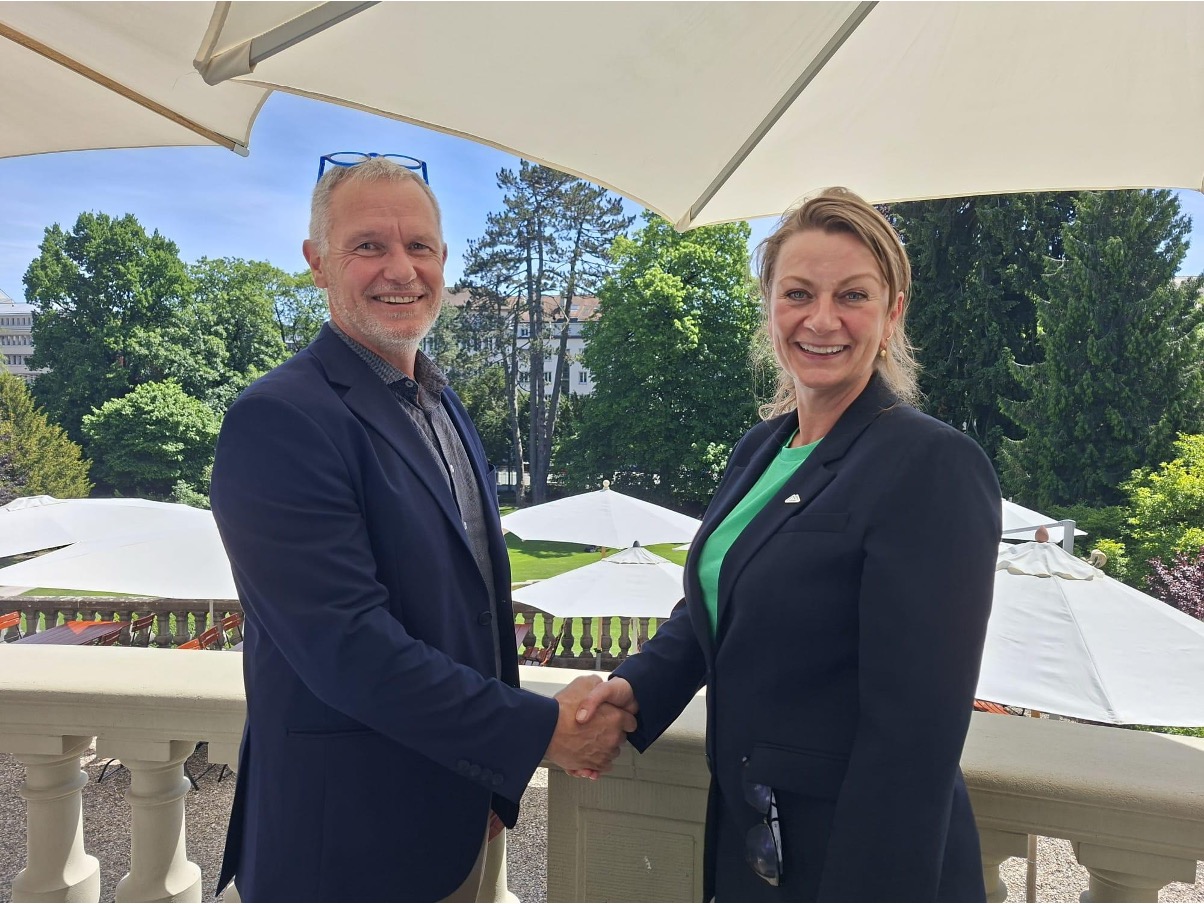
The Letter of Intent was signed on the 21st May 2026 during the SFNV General Assembly in Bern by Dr John Schoonbee, Global Chief Medical Officer at Swiss Re, who highlighted the urgent need to shift from reactive healthcare toward prevention-focused approaches.

Commenting on the partnership, Dr Schoonbee said: “Food is health. Nutrition is one of the most powerful levers we have to improve long-term health outcomes and help people live healthier lives for longer. Much of the metabolic ill health we see is driven by poor nutrition. Switzerland is well placed to lead through collaboration across food, science, healthcare, insurance and public policy.”

What comes next

Over the coming months, Swiss Re and SFNV, together with Valley partners, will convene a series of cross-sector roundtable discussions to identify priority focus areas, co-develop pilot projects and strengthen collaboration opportunities across the ecosystem.

The initiative is looking to engage stakeholders across food, health, science, insurance and policy — including food companies and startups, retailers and gastronomy partners, hospitals and clinicians, universities, insurers, NGOs, foundations and policymakers.

The wider ecosystem will then come together at the first annual Nutrition4MetabolicHealth Summit, taking place on 3–4 November 2026 in Switzerland.

Stakeholders interested in contributing to the initiative can visit the Nutrition4Metabolic Health landing page to find out more, or request an invitation to the Summit. 

*Sources: MonAM, Federal Office of Public Health (FOPH) 2022–2024 | FAO

Get the latest Swiss food innovation news, events and jobs in your inbox.

Latest News

Alessandre Keller joins the SFNV Steering Committee to drive innovation across health, nutrition and food

Alessandre Keller joins the SFNV Steering Committee to drive innovation across health, nutrition and food

Givaudan TW Startup Challenge

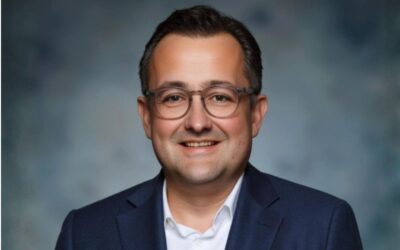
The future of health will increasingly be shaped through nutrition, prevention, and everyday choices, according to Alessandre Keller, who has joined the Swiss Food & Nutrition Valley Steering Committee. Alessandre brings extensive international leadership experience spanning food, healthcare, diagnostics, and nutrition, with senior roles at Nestlé, Unilabs, and dsm-firmenich. Passionate about bridging science, business, and real-world impact, he believes Switzerland is uniquely positioned to accelerate innovation at the intersection of food, health, and technology. We recently caught up with him to discuss the convergence of nutrition and healthcare, the importance of ecosystem collaboration, and how Switzerland can strengthen its role as a global hub for food and health innovation

Alessandre, welcome to the Valley! What motivated you to join the Swiss Food & Nutrition Valley Steering Committee at this point in your career?

Thank you. I’m very pleased to join the Valley. What motivated me is the belief that the future of health will not only happen in hospitals, diagnostics, or pharma. It will increasingly happen earlier, through nutrition, prevention, science, and everyday choices.

Throughout my career, across Nestlé in food and beverage, Unilabs in medical diagnostics, and now dsm-firmenich in health, nutrition, and care, I have seen how powerful innovation can be when different worlds connect. That is what I find exciting about Swiss Food & Nutrition Valley. It brings together the right ecosystem to accelerate meaningful change.

You’ve led transformations across healthcare, diagnostics, and nutrition globally. How do you see these sectors converging in shaping the future of food and health?

I see a strong convergence between food, nutrition, diagnostics, and health. We are moving from a very reactive healthcare model to one that must become much more preventive and personalised. Nutrition has a major role to play in that shift. Diagnostics, biomarkers, data, and AI can help us better understand individual needs. Food and nutrition companies can then translate this science into solutions people can use in their daily lives.

For me, this is exactly where Swiss Food & Nutrition Valley can play an important role: connecting science, industry, startups, and public stakeholders so that innovation becomes more practical, scalable, and impactful.

From your experience across regions like China, Latin America, and Europe, what global insights can Switzerland leverage to strengthen its position as a food innovation nation?

What I have learned across regions is that innovation is not only about science. It is also about speed, partnerships, consumer relevance, and execution.

Switzerland has a very strong foundation: world-class science, strong companies, credibility, quality, and an entrepreneurial ecosystem. The opportunity is to connect these strengths even more and to make Switzerland not only a place where innovation is created, but also a place where innovation is scaled and shared globally. Swiss Food & Nutrition Valley can help make that bridge stronger.

Having driven large-scale transformations, what do you see as the biggest barriers to implementing nutrition and health innovations at scale today?

One of the biggest barriers is fragmentation. There are many great ideas, technologies, ingredients, and scientific insights. But they often remain in separate worlds: academia, startups, corporates, healthcare, regulation, consumers. The challenge is to bring these worlds together around clear priorities and real use cases.

Another barrier is scale. It is one thing to create an exciting innovation. It is another to make it accessible, affordable, trusted, and relevant in people’s everyday lives. That is why I believe the Valley’s mission is so important. It can help move the ecosystem from good ideas to concrete impact.

You’ve worked extensively on early-life and healthy-aging nutrition. How can the food system better support people across all life stages moving forward?

I believe nutrition needs to become much more life-stage specific. The needs of an infant, a child, an active adult, someone managing metabolic health, or an aging person are very different. Science is helping us better understand these needs, from early-life nutrition to healthy aging, gut health, immunity, and personalized nutrition.

The food system can support people better by moving from generic nutrition to more targeted, science-backed solutions that are still simple and relevant for everyday life. This is also where Switzerland has a real opportunity: strong science, strong trust, and a strong innovation ecosystem.

What role do large multinational companies play in accelerating more sustainable and health-focused food systems?

Large companies have a responsibility because they bring scale, capabilities, investment, and global reach. But they cannot do it alone. The future will come from more open models, where large companies collaborate with startups, universities, suppliers, customers, and public stakeholders.

In my current role at dsm-firmenich, I see every day how important it is to connect B2B science and innovation with real consumer and health needs. That bridge between science, business, and people is essential if we want to create more sustainable and health-focused food systems.

Collaboration is at the heart of Swiss Food & Nutrition Valley. What does effective collaboration look like to you, and where do you see the biggest opportunities for partnerships?

For me, effective collaboration starts with a shared purpose and a very practical mindset. It is not collaboration for the sake of networking. It is about bringing the right people together to solve concrete challenges faster than any one organisation could do alone.

The biggest opportunities are at the intersection of nutrition, health, biotechnology, sustainability, and digital. This is where we can create solutions that are science-based, scalable, and relevant for people. SFNV is well positioned because it can act as a connector and accelerator across the ecosystem.

What are your priorities as a Steering Committee member? Where would you like to see the Valley make the greatest impact?

My first priority will be to listen and learn from the ecosystem. Then I would like to contribute in areas where I have experience: connecting health and nutrition, scaling innovation globally, building bridges between B2B and B2C, and helping translate science into business and societal impact.

I would like to see the Valley make the greatest impact in strengthening Switzerland’s position as a global hub for food, nutrition, and health innovation, with a very clear focus on real outcomes for people and the planet.

Is there a message you’d like to share with the Swiss Food & Nutrition Valley community?

I’m genuinely excited to join the Swiss Food & Nutrition Valley community. I believe Switzerland has a unique combination of science, talent, entrepreneurship, quality, and global influence.

The opportunity now is to connect these strengths even more and accelerate innovation with real impact. I look forward to learning from the community, contributing my international experience, and helping build collaborations that can improve health and nutrition outcomes far beyond Switzerland.

Never miss a Swiss food innovation morsel.

Latest News