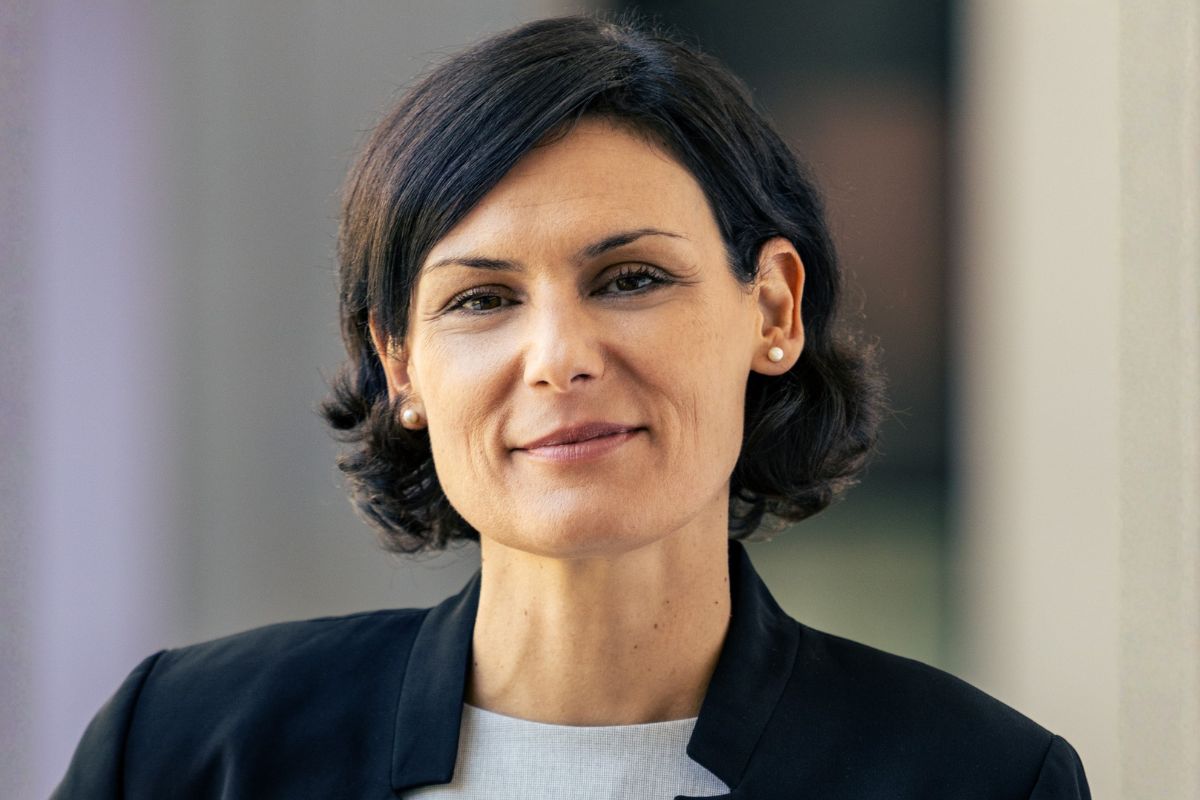
EHL’s Inès Blal: Developing products that consumers want
From talent and testing to features and facilities – how the Swiss ecosystem helps startups grow
Building a successful startup takes more than a great idea. SFNV’s recent dialogue series invited Valley partner featured in the SFNV Navigator to explore three challenges that can make or break an innovation journey. Click on the links below to find out what they’ve learnt while working with food innovators, the trends shaping their fields, and how startups can access support through the Valley ecosystem.
Developing products
that consumers want
- with Inès Blal from EHL
Institute of Nutrition R&D
Attracting the
right talent
- with Manuel Lanz from FoodTechScout
Raising visibility
in a competitive market
- with Stefan Kyora from startupticker.ch
From prototype to product
Inès Blal, Associate Professor and Co-Director of the EHL Institute of Nutrition R&D

Many food startups begin with a promising concept. From your experience, what separates the products that successfully reach the market from those that don’t?
Inès Blal: The companies that make the most progress tend to challenge their assumptions early and often. In food innovation, this means exploring whether the concept can be developed and whether consumers enjoy it, trust it, and are willing to make it part of their daily lives.
We’ve seen many technically impressive products struggle because consumers' and users' expectations weren't considered early enough in the development process. Food innovation is unique. Food is personal: taste, habits, culture, and emotions all shape adoption. Successful companies are those that engage with consumers and users throughout the development process and continuously test, learn, and adapt along the way.
Where do innovators most commonly struggle during the product development journey, and why are these challenges often underestimated?
Inès Blal: Many innovators focus on the novelty of the product or the technology and underestimate the challenge of translating a promising concept into a product that consumers will adopt. In food innovation, culinary expertise combined with hospitality management knowledge is essential for bridging ingredients, technologies, and consumer expectations to transform an idea into a product people genuinely enjoy and can be produced consistently at scale.
These challenges are often underestimated because innovators tend to overlook the fact that success depends on delivering sensory appeal, quality, nutritional value, economic viability, scalability, and consistency simultaneously. This is why experimentation and early market validation are so critical throughout the development process.
How can startups benefit from EHL’s prototyping, consumer testing, and market validation capabilities, and what types of innovators are best placed to take advantage of these services?
Inès Blal: At the EHL Institute of Nutrition R&D, we help innovators bridge the gap between technical feasibility and market success. We combine culinary expertise, hospitality management knowledge, consumer testing, and market validation. Our aim is to enable entrepreneurs and companies to refine their products and test key assumptions before committing significant resources to scaling.
Our services are particularly valuable for innovators who have moved beyond the idea stage and need assessment and evidence that their product can deliver sensory quality, nutritional value, consumer appeal, and commercial viability simultaneously. We work with startups, established food companies, technology developers, and research institutions, helping bridge innovation to market while advancing knowledge on how food innovations are successfully developed, adopted, and scaled.
Looking ahead, what would you like to see more of within Switzerland’s food innovation ecosystem to help promising ideas become successful products?
Inès Blal: Switzerland already has many of the ingredients needed for success: strong research institutions, innovative companies, entrepreneurial talent, and a solid food ecosystem. The opportunity now is to strengthen the connection between these actors and create more opportunities for experimentation, validation, and learning.
I would also like to see greater use of restaurants, hotels, canteens, and other foodservice settings as spaces for innovation. These real-world environments generate valuable insights into consumer behavior and can help accelerate the journey from promising ideas to successful products.
Looking to validate your next food innovation?
EHL’s prototyping, consumer testing and market validation services are available to Valley partners through the SFNV Navigator