Hidden costs of global agrifood systems worth at least $10 trillion

Hidden costs of global agrifood systems worth at least $10 trillion

Image of the Yumane team

Our current agrifood systems impose huge hidden costs on our health, the environment and society, equivalent to at least $10 trillion a year, according to a ground-breaking analysis by the Food and Agriculture Organization of the United Nations (FAO), covering 154 countries. This represents almost 10 percent of global GDP.

The State of Food and Agriculture 2023

According to the 2023 edition of The State of Food and Agriculture (SOFA), the biggest hidden costs (more than 70 percent) are driven by unhealthy diets, high in ultra-processed foods, fats and sugars, leading to obesity and non-communicable diseases, and causing labour productivity losses. Such losses are particularly high in high- and upper-middle-income countries.

One fifth of the total costs are environment-related, from greenhouse gas and nitrogen emissions, land-use change and water use. This is a problem that affects all countries, and the scale is probably underestimated due to data limitations.

Low-income countries are proportionately the hardest hit by hidden costs of agrifood systems, which represent more than a quarter of their GDP, as opposed to less than 12 percent in middle-income countries and less than 8 percent in high-income countries. In low-income countries, hidden costs associated with poverty and undernourishment are the most significant.

More tracking to drive effective mitigation

The report makes the case for more regular and detailed analysis by governments and the private sector of the hidden or ‘true’ costs of agrifood systems via true cost accounting, followed by actions to mitigate these harms.

There have been other attempts at measuring the hidden costs of agrifood systems, producing similar estimates as FAO. The new FAO report, however, is the first to disaggregate these costs down to the national level and ensure they are comparable across cost categories and between countries.

For the first time ever, FAO will dedicate two consecutive editions of The State of Food and Agriculture to the same theme. This year’s report presents initial estimates, while next year’s will focus on in-depth targeted assessments to identify the best ways to mitigate them. Governments can pull different levers to adjust agrifood systems and drive better outcomes overall. Taxes, subsidies, legislation and regulation are among them.

A call to action

Commenting on the publication of the report, FAO Director-General QU Dongyu said, “In the face of escalating global challenges: food availability, food accessibility and food affordability; climate crisis; biodiversity loss; economic slowdowns and downturns; worsening poverty; and other overlapping crises, the future of our agrifood systems hinges on our willingness to appreciate all food producers, big or small, to acknowledge these true costs, and understand how we all contribute to them, and what actions we need to take. I hope that this report will serve as a call to action for all partners – from policymakers and private-sector actors to researchers and consumers – and inspire a collective commitment to transform our agrifood systems for the betterment of all,”

The report urges governments to use true cost accounting to transform agrifood systems to address the climate crisis, poverty, inequality and food security. It notes that innovations in research and data, as well as investments in data collection and capacity building, will be needed to scale the application of true cost accounting, so it can inform decision-making in a transparent and consistent way.

Switzerland: high costs relating to the burden of disease

The figures set out in the report reveal that Switzerland's climate cost are proportionately comparable with other Western European countries. The hidden costs on our land are lower (1% compared with 4% Western European average) but nitrogen costs are higher (12% compared with 8%). Switzerland's hidden social costs, just like other European countries, were calculated to be minimal, but costs resulting from the burden of disease due to dietary patterns were higher than the global average (84% compared with 73%), calculated to be in the region of 18,781 million each year.

Read the full report | Explore the interactive story

About FAO

The Food and Agriculture Organization (FAO) is a specialized agency of the United Nations that leads international efforts to defeat hunger. Their goal is to achieve food security for all and make sure that people have regular access to enough high-quality food to lead active, healthy lives. With 195 members - 194 countries and the European Union, FAO works in over 130 countries worldwide.

Never miss a Swiss food innovation morsel.

Latest News

Pymwymic and Horticoop buy in to Vivent, global leader in digital crop diagnostics

Pymwymic and Horticoop buy in to Vivent, global leader in digital crop diagnostics

Image of the Yumane team

Vivent, the Swiss-based developer of “wearables for plants”, has announced that Pymwymic, a leading impact investor, and Horticoop, a cooperative of about 400 members active in Horticulture globally have acquired a significant new stake in the company to help accelerate its expansion to new markets.

Both Netherlands-based investors recognise the transformative effect Vivent’s crop health solutions have in improving the profitability of growers and the sustainability of food production. Vivent co-founder and CEO, Carrol Plummer commented on the deal by saying “We are delighted to have Pymwymic and Horticoop join our ownership group, as we increase sales and refine product offerings for new agricultural sectors. They are both driven by deep connections with sustainable agriculture and their involvement reinforces the industry's growing interest in plant centered cultivation.”

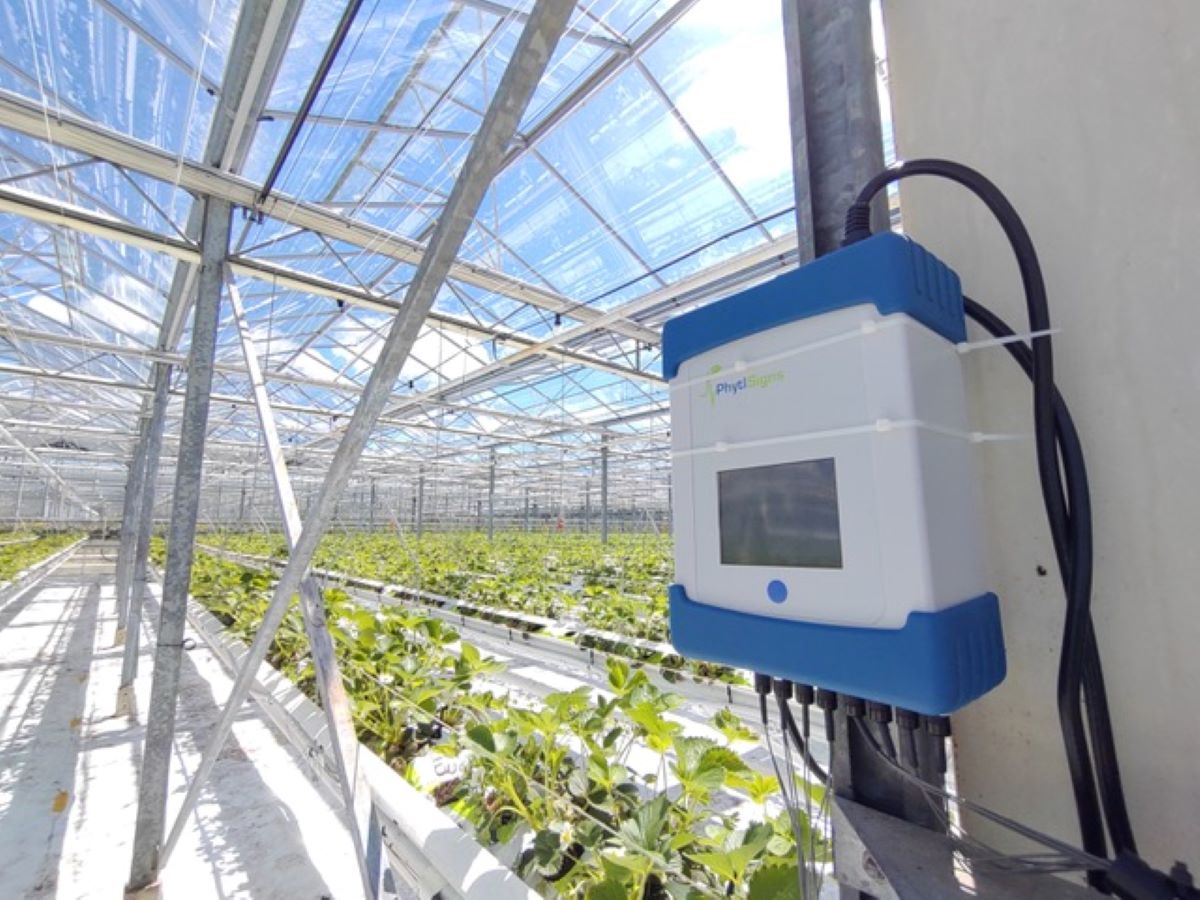
Vivent pioneers unique AI-enabled technology that gives farmers and agtech businesses early warnings of disease, pests, nutrient deficiencies, and water stress, using biological signals from the plants themselves. Vivent’s wearables for plants provide alerts long before visual symptoms appear so growers can treat plants earlier. Vivent’s biosensor is the first commercial crop health diagnostic system based on plant electrophysiology – internal electrical signals plants use to coordinate growth, reproduction and defence.

“Using recent advances in machine learning, we can now decipher the internal network in plants and learn exactly what they need ,” says Dr Nigel Wallbridge, Vivent co-founder. “With our new investors we can deliver plant-driven, responsive, sustainable agricultural systems of all kinds.”

The technology leads to optimised growing recipes, increased yields, and improved crop protection effectiveness. It also encourages the adoption of environmentally preferable crop protection solutions – so more food with fewer inputs.

“We are convinced of the disruptive potential of the technology and hence excited about supporting the team at Vivent,” says Wilco Schoonderbeek, Director Investments at Horticoop BV.

Vivent solutions are successfully deployed in greenhouses and indoor farms and are increasingly used for field-grown crops, like potatoes, apples, grapes, canola and sugar beet, meaning it can serve a wide range of growers and crops across Europe and North America.  

In addition, Vivent also works with suppliers of innovative agricultural technology, including crop protection products, fertilizers, irrigation systems and supplementary lighting to demonstrate plant responses these treatments. Plant breeders can quickly assess the resilience of new plant varieties to a wide range of crop stressors. 

“We are delighted to support Vivent on their journey to unlock the ‘language of plants’ and deepen our knowledge of how to manage plant stress. It is remarkable to  see precisely how plants respond to stressors in the environment and to learn how we can use these signals to support better crop management in the face of climate change,” Commented Monique Meulemans, Pymwymic Investment Manager.

About Pymwymic

Pymwymic has taken a frontrunner role in the transition towards investing with care for both people and planet since 1994. Backed by 200 individuals, families, entrepreneurs and angel investors and joined by institutional investors, we have launched two Sustainable Development Goals-focused impact funds. Pymwymic’s Healthy Ecosystems Impact Fund I (closed in 2021) has nine portfolio companies (of which two exited) building solutions to preserve and restore our ecosystems. We are currently investing through the Healthy Food Systems Impact Fund II, supporting the change making entrepreneurs who are transforming our food system from farm to fork.  To find out more visit their website.

About Horticoop

Horticoop, founded in 1904 and supported by approximately 400 members who operate professional greenhouse horticultural businesses and with companies active in the fields of lighting, climate, technology and substrates for the industry , invests in companies at various stages of maturity that are transforming Controlled Environment Agriculture (CEA). With long-term investments and by connecting members and businesses, we are creating a healthy future for CEA, transforming an industry that must meet the need of a growing population while promoting sustainable resource management practices. You can find out more here.

About Vivent

Vivent was founded by well-known serial entrepreneurs Carrol Plummer and Dr. Nigel Wallbridge, who have now applied their information processing and telecommunication system skills to biological networking, with an initial focus on crops. Vivent’s team of expert plant and data scientist and experienced commercial people have worked with leading agricultural institutes, universities, crop protection companies and growers to validate this innovative approach. Vivent’s focus is on high-tech indoor growing operations and high-value outdoor crops. More information is available on their website.

Never miss a Swiss food innovation morsel.

Latest News

HES-SO’s Sergio Schmid on projects, partnerships and pilot plants

HES-SO’s Sergio Schmid on projects, partnerships and pilot plants

Image of the Yumane team

We recently welcomed HES-SO - the largest specialized university in Switzerland - into the Valley community. So we thought it was time to sit down with Sergio Schmid, Head of the Institute of Life Technologies at HES-SO Valais, to chat about their contribution to the food ecosystem and explore how other Valley partners can connect into their work.

Can you tell us a bit more about the School of Engineering and the Institute of Life Technologies at HES-SO?

Certainly. HES-SO’s School of Engineering is a vibrant and welcoming community of students, professors and researchers. Every year, about 470 students follow our Bachelor's and Master's degree programmes. We also work with many PhD students in collaboration with partner universities in Switzerland and around the world.

Which topics do you and colleagues focus on? 

Food and sustainability are key topics for us. Our Sustainable Food Systems research group, for example, covers the production and development of food products. They take an interdisciplinary approach, exploring consumer needs, expectations and preferences and considering how food systems need to change to mitigate climate change. 

The topics we tackle can vary greatly. Our teams have recently focused on developing new processing approaches that help plant-based proteins reach price parity with animal-based proteins. Other colleagues have been exploring the potential of new bioplastics and how waste can be valorised through food technology and biotechnology. 

How do you collaborate with partners and companies?

We actually develop around 200 projects a year, and most of these are joint projects with industry partners. We pride ourselves on finding ways to transform cutting-edge science and technology into solutions that can directly benefit the partners we work alongside. 

We’re also fortunate to have a pilot plant. This means that we can initially carry out research on a pilot scale that can then be easily implemented on an industrial scale. This is often particularly valuable to smaller partners who aren’t yet able to invest in their own facilities and equipment.  

We like to actively anticipate what support industry partners might need and work alongside them to develop new processes that enable them to innovate. But we also encourage companies to reach out to us about their specific challenges and would welcome the opportunity to collaborate with innovators who might be looking for a research partner. 

How does HES-SO contribute to developing the food innovation ecosystem? 

As a University of Applied Sciences, we ensure that the knowledge gained through our extensive research collaborations flows back into our courses. This means that our students are aware of the latest trends and how companies are responding to them - and are prepared to tackle real-life challenges in their careers after graduation.

At the same time, we encourage all our students to apply their knowledge and learn by doing throughout their studies. We see this as one of our key contributions to shaping the innovation ecosystem: we grow the talent that will shape the future of food. 
 

Never miss a Swiss food innovation morsel.

Latest News

YASAI AG achieves coveted B Corp Certification and is ready for expansion

YASAI AG achieves coveted B Corp Certification and is ready for expansion

Image of the Yumane team

Zurich-based startup YASAI is delighted to announce a significant milestone with its B Corp certification. This accolade showcases YASAI's commitment to social and environmental responsibility and the promotion of a sustainable business culture.

The B Corp certification recognizes organisations that are outstanding in their efforts to drive a shift towards a more sustainable economy. To earn this certification, YASAI underwent a comprehensive evaluation of its social and environmental performance standards. With this certification, YASAI AG joins an exclusive group of 24 Swiss food industry companies, including Valley partners Ecorobotix, CleanGreens Solutions and Vivent, dedicated to these values. Globally, over 7,000 companies from various industries are eligible to display the B Corp logo.

"We belong to a new generation of companies that focus not only on profit but also on people and the planet," says Mark E. Zahran, Co-CEO of YASAI. "We are thrilled about the B Corp certification, which helps us to implement and genuinely live our values."

The B Corp certification provides momentum for further expansion plans

The B Corp certification is a significant signal for the industry and investors. YASAI AG has already secured Pre-Series A funding of CHF 10 million. With the upcoming Series A funding, YASAI plans to construct a large-scale vertical farm for herbs in the food sector. The product portfolio will continuously expand, including the production of plants for the cosmetics industry, creating additional market opportunities. Furthermore, in 2026, the world's first integrated vertical farm in a residential neighborhood will open in Lymhof, Schlieren, as part of a project planned by Geistlich Immobilia, setting a global example.

About YASAI
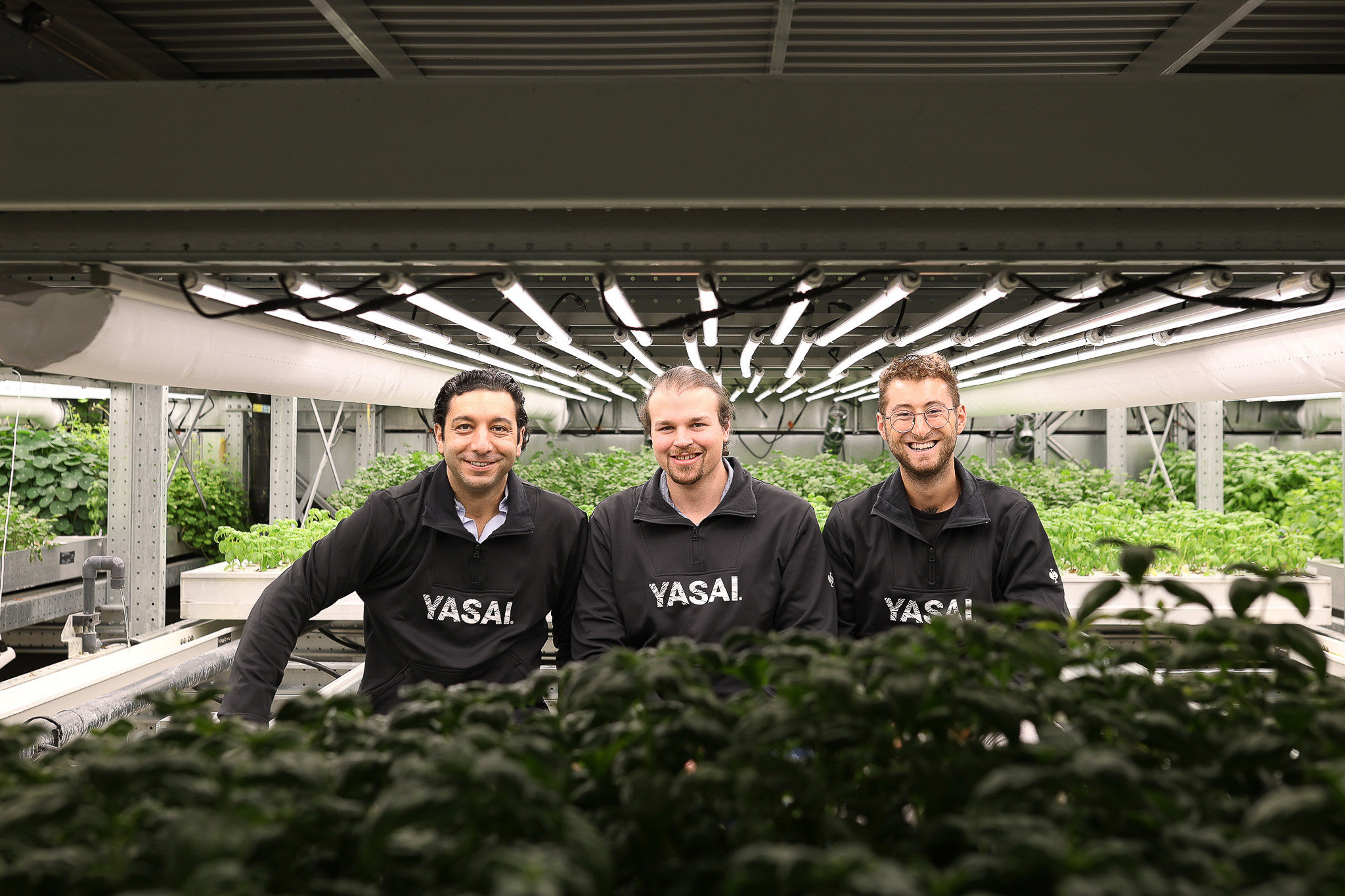
YASAI AG is a vertical farming startup founded in Zurich in 2020 by Mark E. Zahran, Stefano Augstburger, and Philipp Bosshard. The company builds and operates vertical farms based on circular economy principles to enhance food systems. YASAI's technology is adaptable to local conditions, making it suitable for sustainable, forward-thinking precision agriculture worldwide. YASAI products are available in approximately 400 Coop stores, as well as through Farmy and Jelmoli. Find out more by visiting their website.
About B Corp 

B Corp (Benefit Corporation) is an international certification from the non-profit organization B Lab. It recognizes companies for their social and environmental standards. The certification evaluates the overall social, environmental, and economic performance of the company, focusing on public transparency and accountability.

Never miss a Swiss food innovation morsel.

Latest News

House of Lab Science teams up with The Valley to boost the Swiss life sciences startup scene

House of Lab Science teams up with The Valley to boost the Swiss life sciences startup scene

Image of the Yumane team

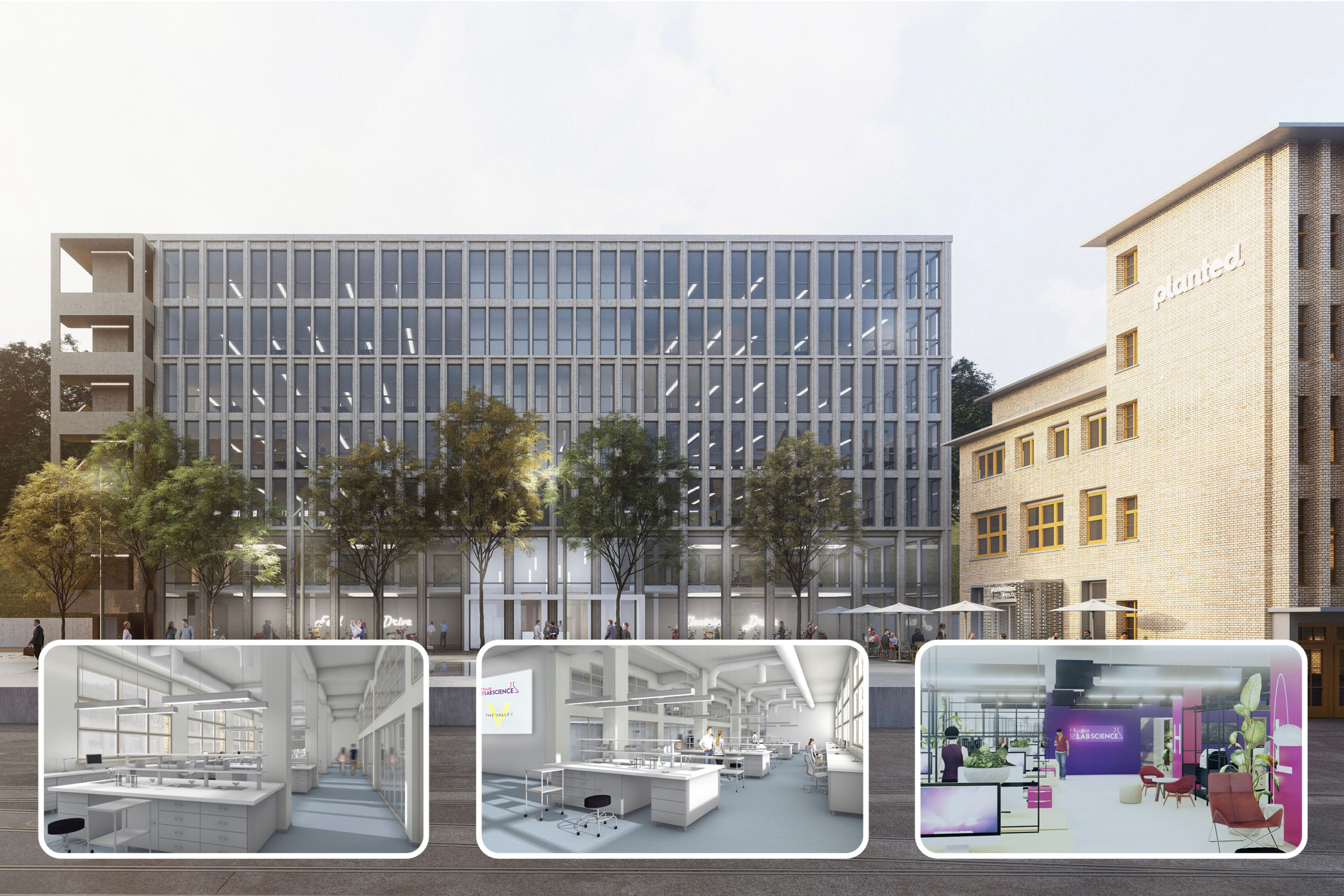
SFNV partner, The House of Lab Science has teamed up with The Valley in Kemptthal to create a new dedicated space that will provide biotech and foodtech innovators with access to serviced labs and a unique coworking space from March 2025.

The Greater Zurich Area already accommodates a Life Sciences cluster of startups and innovative companies with an impressive concentration of know-how and output. At the same time, innovation in life sciences is often primarily driven by startups which have spun off from universities. Once the freshly incorporated companies leave their labs and offices on campus, they often have to invest a signficant amount of time and money looking for an appropriate new home.

The House of Lab Science has now teamed up with the Valley in Kemptthal to solve this problem by providing outfitted and serviced bio and food labs in The Valley, tailor made for food and biotech startups. This means that startups can move in and start being productive on day one.

Developing the next generation of foodtech and biotech innovations

In a first wave, the owners of The Valley, Mettler2Invest and Motorworld, are investing in 1’500 sqm to equip the building with biological laboratories, infrastructure rooms, and coworking office spaces and will rent these two floors out to House of Lab Science which will find the right startups to move in and develop the next generation of foodtech and biotech innovations. Subject to a successful first phase, another 1’500 sqm - an additional two floors - will be provided in the same building, significantly boosting the life sciences startup scene in Switzerland.

“Our mission at the House of Lab Science is to take care of our tenants’ non-core activities, for instance, lab, facility, or ICT management by, for example, renting out lab managers whom House of Lab Science employs in its innovation parks. Like this, the members of our community can free their mind and focus only on the science, on developing innovations, and on successfully growing their company. However, since House of Lab Science is a startup itself, we rely on strong and like-minded partners. I am therefore delighted to have found such a partner with Mettler2Invest and Motorworld. With the real estate developer Mettler2Invest, we are already looking into other additional real estate projects in Winterthur and elsewhere that could be transformed into an innovation park operated by the House of Lab Science. The different House of Lab Science locations, including the pilot house in Hombrechtikon, will be closely connected through our proprietary House of Lab Science Community Platform which enables the booking of services and tenants to get in touch with each other, no matter where they are based. These activities would allow us to roll out a compelling concept across Switzerland and share it with companies and other stakeholders in different locations so that Swiss life sciences is fit for the future.” — Dr. Christian Hugo Hoffmann, Co-Founder an CEO at the House of Lab Science AG. 

The centre of a thriving ecosystem

The Valley in Kemptthal is particularly well suited as a location for the next House of Lab Science, as the new building will be at the centre of an existing and already thriving ecosystem that includes SFNV partners Givaudan, Bühler and planted. Easily accessible by all means of transport, the Kemptthal Valley is located in the heart of the Greater Zurich Area between the cities of Zurich and Winterthur. The listed industrial buildings are being extensively renovated to create an inspiring and unique microcosm. Together with additional new buildings, which will be architecturally integrated into the existing historic buildings, approximately 100,000 m2 of space will be created to be used by a wide range of industries. 

The project owners and developers are keen to build on the industrial history of the former Maggi site in a way that reflects the requirements of 21st century companies and startups.

“In keeping with Julius Maggi’s pioneering spirit, a new and modern working environment is being created behind the historic buildings. In a colourful mix of diverse industries, the legacy of the area’s founder is being carried into the future with an increasingly large and significant food industry research and development cluster. House of Lab Science, with its dedicated foodtech laboratory landscape, fits perfectly into this environment and we are very much looking forward to working with them!” — Mick Gehrig, Site Manager Metter2Invest.

About House of Lab Science

House of Lab Science aims to be the ultimate destination for serviced laboratory space in Switzerland. They believe that laboratory space should be ready-to-move-in, affordable, certified, fitted, and well-equipped, making it easy for organisations to focus on what matters and advance their business. To find out more visit their website.

About The Valley 

The Valley Kemptthal is an inspiring microcosm in the Greater Zurich Area where historic industrial buildings meet innovative new buildings to create a unique space for diverse industries. You can find out more here.

Never miss a Swiss food innovation morsel.

Latest News

Talent leader Switzerland welcomes food innovators with a new job platform

Talent leader Switzerland welcomes food innovators with a new job platform

A young person looking for food innovation jobs on the Swiss Food & Nutrition Valley job platform on their laptop.

Discover high-impact career opportunities in food innovation from leading Swiss employers. The Valley’s new platform simplifies job searches for newly qualified talent and career changers, connecting them with a wide range of leading Swiss employers, from innovative startups to global multinationals.

The platform will entice talented professionals to Switzerland, number one in the IMD World Talent Rankings, by bringing together a range of high impact roles in one place. Opportunities vary from leadership to internships and come mainly from the Swiss Food & Nutrition Valley’s partners, including ETH Zürich, Sight and Life, Planted, Ecorobotix, Insolight and farmer connect.

And with a European Commission report earlier this year showing that 30% of the world’s greenhouse gas emissions are linked to our food system, the platform makes it easier for food innovation organisations and professionals to tackle these challenges together. 

SFNV's President Martin Vetterli, said: “Attracting and retaining people passionate about shaping a sustainable food system is vital. The Valley’s job platform makes it easier to connect talented people with Switzerland’s most innovative employers to address some of the world’s longstanding food system challenges.”

Christina Senn-Jakobsen, the Valley’s Managing Director, added: “Switzerland is a leading food nation. Our new job platform highlights the wealth and diversity of opportunities available and will make it easy for food system changemakers to find their next career move.” 

Finding the right talent

While the platform simplifies the job search for food innovators, it also helps employers find the right talent to drive innovation in the sector. Prospective employers can buy one of two packages to promote their roles, with Valley members benefiting from 50 free adverts. 

Flavia Huwyler, Employer Branding Specialist from Planted, a Zurich-based FoodTech scaleup producing juicy plant-based meat with only natural ingredients said: “It’s so important for startups and scaleups to find the right hires - talented people who are passionate about what we stand for and what we want to achieve in a short amount of time. The Valley’s platform connects us with a targeted audience of skilled professionals.” 

Aurélien Demaurex from Ecorobotix, a Vaud-based scaleup producing innovative, energy-saving farming machines that recently secured 52 million USD, added: “We're currently recruiting for a number of roles. By featuring jobs on the Valley platform, we don’t only reach more people, we can reach the right people.” 

Looking for a new team member or your next opportunity?

Latest News