Planted launches first-of-its-kind fermented steak and expands production

Planted launches first-of-its-kind fermented steak and expands production

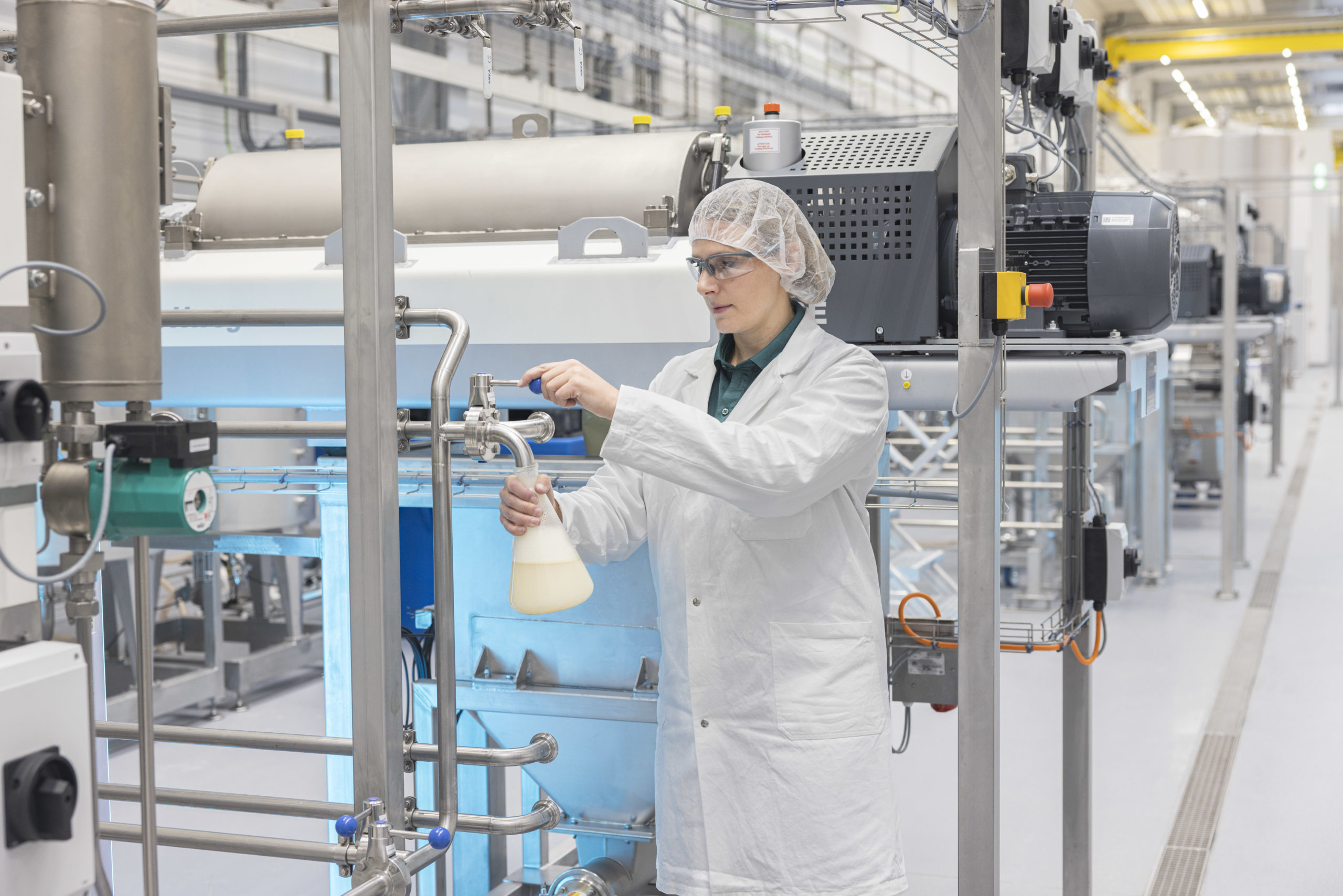
Valley partner Planted, the Swiss FoodTech trailblazer for clean label plant-based meats, has launched its latest culinary innovation: the planted.steak, a game-changing fermented steak from plants that is already available across numerous foodservice outlets in Europe. The planted.steak is the first product from Planted’s ‘whole-muscle platform’; which also marks the announcement of the company’s strategic expansion of its production capabilities with a cutting-edge fermentation facility in Kemptthal, Switzerland.  
Unveiling the planted.steak

Planted has crafted its first plant-based steak that oozes juiciness, tenderness and a rich distinctive umami flavour, all thanks to their cutting-edge fermentation process. True to the company’s philosophy created exclusively from natural ingredients including soya protein, rapeseed oil, bean and rice flours as well as a proprietary blend of microbial cultures, the steak is testament to sustainable culinary ingenuity. With high protein and fibre, essential micronutrients vitamin B12 and iron, it also has low saturated fats. planted.steak caters to the health-conscious palate and true foodies with a steak packed with juiciness, tenderness and taste.   

The planted.steak is now available across European restaurants for diners to enjoy: In Switzerland, notable restaurants across the nation such as Gartenhof, Kronenhalle, Lindenhofkeller, StudioBellerive at AMERON Bellerive au Lac, NOA Restaurant Bern, Café de Prélaz and KJU have already added the steak to their menus; in Germany the steak is available at Tim Raue’s Michelin starred restaurant as well as Tim Mälzer’s Bullerei in Hamburg and in Austria, the famous burger chain, Le Burger, is offering planted.steak.  

"Our planted.steak is designed to satisfy even the most discerning palate. It’s a true game changer, not only for us but also for the whole category," said Lukas Böni, co-founder and member of the Executive Board of Planted. "No other plant-based steak on the market uses only natural ingredients, zero additives and displays features such as juiciness as well as tenderness. In the research and development process, we have worked with over 50 gastronomy professionals to achieve a steak that is literally unreal, in taste, texture, application and overall eating experience. We are very proud that so many restaurants have added it to their menus already." 

“Fulfilling very demanding culinary requirements, the planted.steak allows us chefs to focus on what we are best at: creating and sharing emotions.”, says Peter Schärer, Executive Head Chef of famous restaurant Kronenhalle in Zürich. “The planted.steak reacts beautifully to different cooking styles, already delighting and surprising our guests.” 

Unparalleled sustainability: the planted.steak difference 

The planted.steak isn't just a culinary innovation; it's a scalable sustainable solution to the environmental challenges posed by traditional meat production, especially beef production. Creation of the planted.steak needs 97% less CO2e emissions per product weight compared to its animal counterpart. Beef production requires large pasture areas or agricultural land to grow feed and the production of feed for cattle requires significant amounts of energy, land, and other resources. Cattle digestion and manure release more greenhouse gases. Compared to poultry or pigs, cattle have a longer growth period before they are ready for slaughter. During this time, they consume feed and continuously produce methane. In terms of water footprint, planted.steak requires 81% less freshwater than an animal counterpart.   

By significantly reducing CO2e emissions and freshwater consumption, Planted meats are paving the way for a more sustainable future without compromising on taste, quality or eating experience. 

Future of alt-protein: planted.steak is first product from new whole-muscle platform 

Fermentation is one of nature's most versatile processes with an unparalleled ability to boost and tailor taste, tenderness and wholesomeness of foods. Using fermentation technology allows Planted to continue to strive for clean label and healthy protein sources while doubling down on taste and naturalness - pushing the boundaries of alternative protein. 

In early 2023, the Swiss Innovation Agency Innosuisse acknowledged this and awarded Planted 2 million Swiss francs as part of the Swiss Accelerator Program, aiming to accelerate the development of their whole-muscle platform. This has enabled Planted to launch their fermentation-based steak only a year later with plans for launches across DTC channels as well as in retailers across Europe in 2024.  

Planted aims to create as many different product concepts as possible from its groundbreaking whole-muscle platform, where the muscle grows through proprietary fermentation processes. The whole-muscle is comparable to a full loin, allowing unparalleled versatility and seamless adoption into existing meat processing. This allows Planted to launch new and differentiated meats, while allowing adaptations to local food favourites and taste.   

Leading the way in sustainable food production: the Kemptthal expansion 

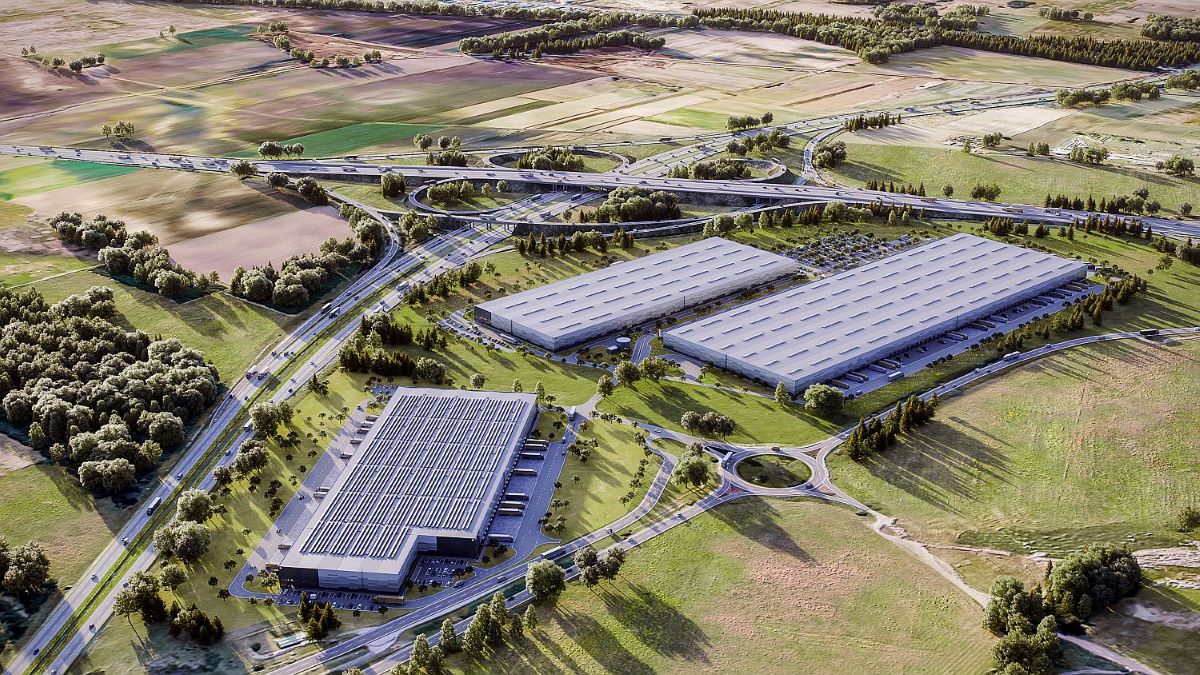
In tandem with the launch of the planted.steak, Planted unveils the strategic expansion of its production capabilities with a cutting-edge fermentation facility in Kemptthal, Switzerland. The new production site has created 30 technical and operational jobs. 

"This investment in our expansion stems from a strategic decision to enhance our biotechnology footprint in Kemptthal – from labs to production. Our aim is to introduce innovative products from our fermentation platform to the market fast, particularly our planted.steak, which utilises the most advanced and disruptive fermentation technology today in terms of scalability, taste and product quality.” says Lukas Böni. "We are proud to be one of the few innovators of plant-based meat that takes on all steps in the production process, from R&D to industrial production. The additional and new production site allows Planted a very fast turnaround from pilot stage to industrial production, significantly closing the time gap to market launch.” 

Green technology played a central role in the construction of the new production site. The entire building, shared by various FoodTech companies, has an eco-friendly energy system. This system uses the ambient air as an energy source. The air feeds the heat pumps, which provide environmentally friendly heating and cooling in the buildings. According to EKZ, over a period of 30 years, this will save more than 44,000 tonnes of CO2. 

[1] Groundbreaking whole-muscle platform, where the muscle grows through proprietary fermentation processes. 

Never miss a Swiss food innovation morsel.

Planetary partners with Konica Minolta to optimise microbial fermentation through advanced sensors and artificial intelligence

Planetary partners with Konica Minolta to optimise microbial fermentation through advanced sensors and artificial intelligence

Image of the Yumane team

Planetary SA, the Geneva-based biotechnology company, announced today a strategic partnership (MOU) with global leader in imaging technology, Konica Minolta, Inc. (”Konica Minolta”), to develop and implement advanced sensing, artificial intelligence (A.I.), and bioprocess data-driven solutions to optimise the control of fermentation processes in real-time. Through this strategic partnership, the two companies aim to leverage sensing solutions, A.I., and bioprocess data to detect process anomalies, control growth parameters, and increase productivity whilst decreasing lost production batches.

While microbial fermentation holds the potential to revolutionise production systems for a range of industries, the monitoring and control of these processes has been largely left unchanged in recent years. Together, Planetary and Konica Minolta aim to bring innovative data-driven sensing technologies and complementary artificial intelligence to monitor, control, and optimise fermentation processes in real-time. By teaming up with Konica Minolta, Planetary plans to bring these technologies to market and offer them to bioproduct manufacturers globally, increasing productivity and reducing overall cost of production.

"Where Konica Minolta excels in process monitoring technologies based on our 150 years of optics expertise, my conversations with Planetary have given me the impression that they have the speedy nature as a startup with cutting edge bioprocesses backed by their strong leadership. With our expertise combined, I believe this MOU can help us explore further avenues to strengthen our relationship and move toward a direction to solve the true bottleneck of the biomanufacturing industry at a global scale." Ryutaro Mori, Corporate VP & Chief Innovation Officer, Konica Minolta, Inc.

“Conventional food and material production systems are being disrupted by fermentation-based biomanufacturing. The shift started with high-value items and is now finding its way into commoditised products. To achieve price parity, fit-for purpose production sites need to be designed, strain performance optimised, bioprocesses innovated, controlled, and automated. Konica Minolta and Planetary are in a pole position to jointly harness real-time A.I. and bioprocess data-driven sensing solutions which will reduce COGS by an additional 20-30%.”David Brandes, Co-Founder & Chief Executive Officer, Planetary SA

About Konica Minolta

Konica Minolta Inc., a global technology company headquartered in Tokyo, is one of the world leaders in imaging and sensing technologies. Being known for their optics, industrial radiometric instruments, and other optical devices, the company aims to enter the fermentation space to bring innovative fermentation sensing technologies and associated AI. By utilizing decades of experience in imaging technology, Konica Minolta is building on its expertise to disrupt traditional fermentation sensors and bring new technologies to the market.

About Planetary

Planetary, a Geneva-headquartered company founded in 2021, has set out to establish critical production infrastructure for the emerging bio-based economy by providing industrial-scale fermentation capacity and developing related bioprocessing intellectual property (IP). Planetary leverages the technology of aerobic microbial fermentation to produce food ingredients and bio-based materials at industrial volumes for partners around the world.

About the Bioeconomy Revolution

The global demand for food, plastics, chemicals, and other commodities is growing in accordance with the development of population size and living standards. Many of the animal and fossil-based production systems are unsustainable and are taking a toll on our ecosystem, including the reduction of freshwater resources, land resources, and the uncontrolled emissions of greenhouse gases. Recent scientific advancements, however, have uncovered new, sustainable methods of production.

According to the McKinsey Global Institute (MGI), McKinsey & Company's business and economics research arm, the bioeconomy could have direct economic impact of up to $4 trillion a year in the next decades, with the potential to produce up to 60% of all physical goods - foods, chemicals, and other bio-based products through a biology-driven production approach. Microbial fermentation is a critical process within the bioeconomy, and by leveraging technologies such as biomass and precision fermentation, these products can be produced sustainably at scale and at competitive cost.

Never miss a Swiss food innovation morsel.

Cultivated Biosciences introduces its innovative yeast-based cream in a coffee creamer prototype

Cultivated Biosciences introduces its innovative yeast-based cream in a coffee creamer prototype

Image of the Yumane team

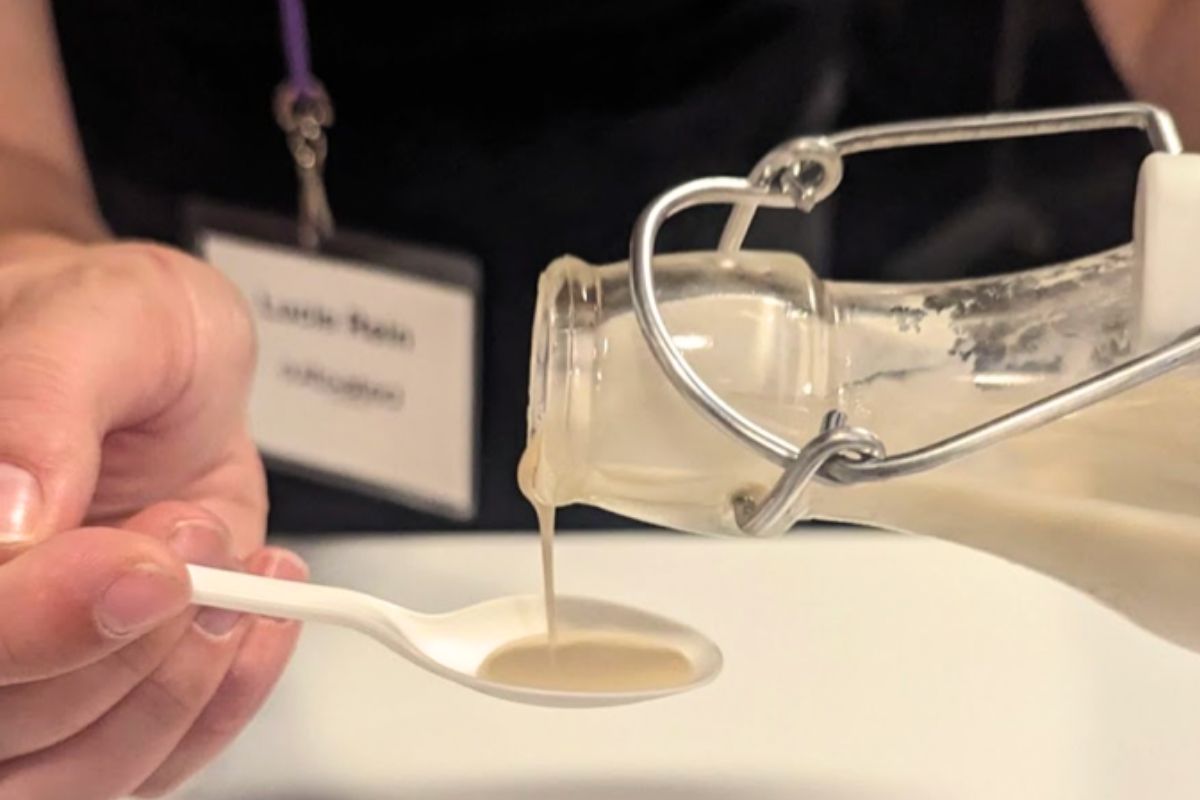
Swiss Biotech Startup and Valley partner Cultivated Biosciences has presented its first proof-of-concept (POC) using its creamy fat ingredient created with yeast fermentation. The POC, a coffee creamer, is white and clean-label, with a rich, creamy taste and mouthfeel, but puts an end to flocculation.

After two years of R&D, Cultivated Biosciences presented its first POC using its creamy fat ingredient in a final product formulation: a dairy-free coffee creamer that matches the performance of dairy creamers.

The coffee creamer meets the needs of the industry: it has whitening capabilities, it is stable in coffee, and is clean label. It also meets the expectations of the consumers: it is very creamy and tastes like a regular American commercial creamer. Cultivated Biosciences’ ingredient provides the lipids and the texture to the formulation, and is stable in the acidic coffee without additives.

The dairy-free coffee creamer was introduced and available for tasting during a MISTA event held in San Francisco in November 2023. MISTA is a new food innovation ecosystem and accelerator in the Bay Area, bringing together the food industry and the startups during “Growth Hacks” to kick-start collaborations. Cultivated Biosciences’ creamer was developed during a Growth Hack focused on alternative fats, in collaboration with the MISTA partners including AAK, Ingredion Givaudan and Danone.

The path to commercialisation
Celebrating this important milestone, Tomas Turner, Founder and CEO of Cultivated Biosciences, said: "We're proud to show the value of our ingredient in a convincing final product application. This marks the beginning of our path to commercialisation."

Céline Schiff-Deb, head of Biotechnology at MISTA also welcomed the POC: “Cultivated Biosciences rose to the challenge and delivered a prototype with superior benefits to commercially available plant-based creamers in the US”.

The Cultivated Biosciences’ team is now
 preparing for market entry and looking to collaborate with industry partners to develop more prototypes in other dairy alternative categories. They expect to launch their cream in the US market in 2025 and in Europe in 2026, once approved for consumption.
 
About Cultivated Biosciences

Cultivated Biosciences is turning animal-free dairy into the better choice for everyone. Cultivated Biosciences improves the mouthfeel of animal-free dairy by developing a unique and patented emulsion as an ingredient for the food industry, using yeast fermentation. Their technology produces a unique functional fat with a cream-like texture, providing a sustainable and healthy alternative to animal dairy fat. The cream from Cultivated Biosciences will replace vegetable oils and additives currently used in dairy alternatives, thus providing a cleaner label thanks to superior functionality and stability, and a sensory experience similar to dairy. Dairy alternatives are on the rise globally, a market size of $12 billion in 2023 and $34 billion in 2033, convincing more and more health and environmentally conscious consumers, but two thirds of consumers name texture and a lack of clean label options as a barrier to consumption. Find out more on their website. 

Never miss a Swiss food innovation morsel.

Bühler teams up with Agroloop to provide proven insect rearing technology

Bühler teams up with Agroloop to provide proven insect rearing technology

Image of the Yumane team

Hungarian insect producer Agroloop teamed up with Bühler to use their sophisticated insect growth system for its industrial black soldier fly plant. The facility will produce up to 4,000 tonnes of animal feed ingredients per year and will be built in Üllő, Hungary. Bühler will deliver its crate-based nursery and rearing technology, which will enable a quick ramp-up of the plant for commercial production. Agroloop plans to launch its first products by the end of 2024, contributing to a more sustainable animal feed value chain.

Following its foundation in 2017 and the successful operation of a pilot facility, Agroloop got the green light for the implementation of an industrial insect plant in Hungary in 2022. Now they are working at full speed to construct the plant and get it operational. The insect facility will be realized in an existing building of the Aerozone Park in Üllő, which is located next to the Budapest Ferenc Liszt International Airport. In the new plant Agroloop – supported by Bühler's insect technology expertise – will produce more than 25,000 tonnes of black soldier fly larvae that will be turned into sustainable feed ingredients for the pet food, aquaculture, and livestock sector. 

The plant is only the first step in Agroloop’s strategy to make insect feed ingredients available for the Central and Eastern European (CEE) agribusiness. “The abundance of food processing by-products presents a unique opportunity for Agroloop's multi-plant rollout strategy in the CEE region. Leveraging our strategic partnership with the leading regional feed producer UBM Group, we improve feed quality and sustainability creating future-proof feed formulas. This enables Agroloop to focus on rapid expansion and solidifies our position as a key player in the region,” says István Nagy, co-founder and CEO of Agroloop. 

Proven technology for short ramp-up time

Agroloop employs a local engineering company to integrate the various technology packages. The heart of this system is the insect growth technology, which mainly determines the plant yield and has a major effect on business performance. For their insect growth system, Agroloop has selected Bühler’s nursery and rearing technology, which has several years of a track record in the insect industry. “We’ve meticulously assembled a best-in-class technology supplier portfolio to build our plant. Bühler plays a crucial role in providing the framework and core components for this design. By choosing Bühler’s technology, Agroloop can enter the value chain with the highest standards,” says István Nagy.  

Andreas Baumann, Head of Market Segment Insect Technology at Bühler, added: “We are very proud to be part of this pioneering project for the CEE region and delighted to see that our solutions will contribute to more sustainable feed supply chains.”

Sustainable protein

In the pursuit of sustainable and environmentally friendly practices, the CEE region is increasingly turning to alternative sources for feed ingredients. By incorporating insects into the feed supply chain, the region can address environmental concerns, reduce dependence on imported protein sources, and contribute to a circular economy approach. In addition, innovative feed formulations containing insects can optimize animal health and growth, thus leading to more efficient livestock production systems. 

Insects can be reared on agricultural and food processing by-products, transforming these materials into high-quality protein. This approach not only reduces the environmental impact of this value chain but also creates a closed-loop system where resources are reused and recycled. The European Union has historically been dependent on imported protein sources for animal feed, contributing to issues such as deforestation and habitat destruction in other parts of the world. By embracing the commercialization of insect-based livestock feed, the region can increase feed efficiency, reduce reliance on external sources, and contribute to local and regional food security. 

Andreas Baumann says: “The incorporation of insect ingredients in animal feed presents a compelling solution to the challenges faced by the livestock industry. Besides providing nutritious and sustainable protein source, insects also empower local economies to become self-sufficient. That is why insect protein is seen as a key component for a more sustainable and resilient food system.” 

About Bühler

Bühler’s goal is to create innovations for a better world. To achieve this, the company intends to harmonize the needs of the economy, people and nature. As an important solution partner for the food and mobility industries, Bühler has developed a strategy to reduce greenhouse gas emissions in its operations by 60% by 2030 (Greenhouse Gas Protocol, Scopes 1 & 2, base year 2019). The company is also committed to offering scalable solutions that reduce energy, waste and water in its customers’ value chains by 50% by 2025. Billions of people come into contact with Bühler technologies every day to meet their basic needs for food and mobility. Two billion people eat food produced on Bühler systems every day. One billion people travel in vehicles whose parts were produced using Bühler technologies. Countless people wear glasses, use smartphones and read newspapers and magazines. They are all manufactured using Bühler process technologies and solutions. Thanks to this global relevance, Bühler is in a unique position to transform today’s challenges into sustainable business areas. Bühler contributes to feeding the world safely. And the company contributes to climate protection by producing solutions that lead to more energy-efficient cars, buildings and systems.

Bühler invests up to 5% of sales annually in research and development. In 2022, around 12,700 employees generated sales of CHF 3.0 billion. The Swiss family company is active in 140 countries around the world and operates a global network of 105 service stations, 30 production plants and application centers in 23 countries. Find out more on their website.

Never miss a Swiss food innovation morsel.

Givaudan & Berkeley unveil new research redefining efficiency in alternative protein

Givaudan & Berkeley unveil new research redefining efficiency in alternative protein

Image of the Yumane team
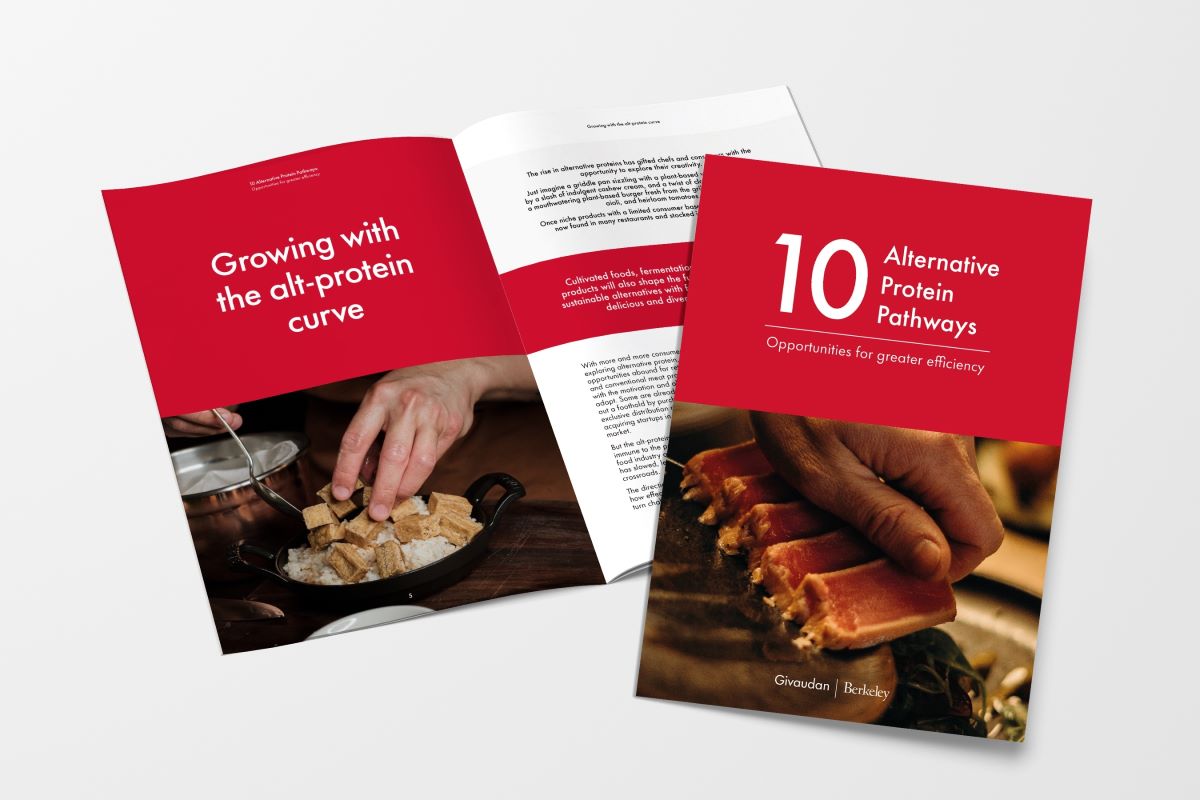
In their fifth annual collaboration, Givaudan and the University of California Berkeley have released transformative research paving the way for enhanced efficiency in alternative protein. The latest white paper entitled ‘10 Alternative Protein Pathways: Opportunities for Greater Efficiency’ outlines key challenges and opportunities on the journey to co-create delicious and nutritious alt-protein experiences that delight consumers.

With more consumers expected to explore plant-based protein, opportunities abound for food producers and retailers to develop sustainable, healthy alternatives that deliver diverse food experiences. With its deep industry knowledge, Givaudan has once again teamed up with the University of California Berkeley Product Development Program to provide practical steps on how industry players can create mouthwatering, affordable, alternative protein products.

Sudhir Joshi, Professor, Board Member and Product Development Program Coach at the University of California Berkeley, said: “Alternative proteins can significantly reduce environmental impact and improve human health. Our findings identified four key areas where producers can focus on improving efficiencies and reducing costs for alternative protein products. These were further divided into specific steps companies can take to mitigate risk, while still making tasty, healthy, and cost-effective products.”

Exploring challenges and opportunities

The research explores the key challenges the industry faces, such as supply chain issues, resource consumption, production scale-up, and competitive pricing. It also offers 10 clear and actionable pathways to help alt-protein producers address these hurdles and maximise efficiency. This includes identifying ingredient combinations that ensure the best quality and value for both food innovators and consumers, and outlining ways to optimise the use of energy, water, and other natural resources. The end goal? To enable the industry to create alternative protein experiences that are good for both people and the planet.

Flavio Garofalo, Global Director, Culinary & Plant Attitude, Givaudan, said: “In today's dynamic environment, the key to gaining a competitive edge lies in strategic partnerships. Companies that team up with others to pool their knowledge, expertise and resources will be better placed to spot market opportunities, unlock efficiencies, and scale innovations more quickly. Every year, we join forces with the University of California Berkeley to investigate key topics related to alternative protein. Why do we do it? Because it helps us look at alternative protein in a more holistic way, which puts us in a better position to support our customers.”

Bringing the research to life through a startup challenge

To bring the insights from its new research to life, Givaudan is also launching a Start-Up Challenge. The company will select five start-ups from around the world to reduce the costs of a standard recipe using the pathways outlined in the white paper, including raw material optimisation, hybrid products, process optimisation, and new technology and innovations.

Givaudan started its alternative protein journey over a decade ago, with the knowledge that these products are pivotal to a food future that’s good for humans, animals, and the planet. The company’s global protein network includes four hubs dedicated to developing holistic alternative and plant-based food experiences. These hubs enable Givaudan customers to co-create products ensuring they have the right taste, mouthfeel, colour, visual appeal and nutrition to meet consumer preferences in their markets. They also offer access to an entire ecosystem of experts in plant-based dairy and savoury products, along with specialised products, knowledge and technical equipment.

Download the ’10 Alternative Protein Pathways’ white paper here.

About Givaudan

Givaudan is the global leader in the creation of flavours and fragrances, with its heritage stretching back over 250 years, the Company has a long history of innovating tastes and scents. From a favourite drink to your daily meal, from prestige perfumes to cosmetics and laundry care, its creations inspire emotions and delight millions of consumers the world over. The Company is committed to driving purpose-led, long-term growth while leading the way to improve happiness and health for people and nature. In the fiscal year 2020, the Company employed almost 16,000 people worldwide and achieved sales of CHF 6.3 billion and a free cash flow of 12.8% of sales. Visit the website to find out more.

About Givaudan Taste & Wellbeing

Powered by innovation and creativity, Givaudan Taste & Wellbeing aims to shape the future of food by becoming the co-creation partner of choice to its customers. Built on its global leadership position in flavours and taste, the Company goes beyond to create food experiences that do good and feel good, for body, mind and planet. With an expanded portfolio of products across flavours, taste, functional and nutritional solutions and a deep knowledge of the food ecosystem, Givaudan’s passion is to collaborate with customers and partners to develop game changing innovations in food and beverage. Let’s imagine together the future of food. Click here to learn more.

Never miss a Swiss food innovation morsel.

Bühler boosts food innovation with new Application & Training Centers in Uzwil

Bühler boosts food innovation with new Application & Training Centers in Uzwil

Image of the Yumane team
Bühler, the Swiss technology group has this month, opened its new center for food innovations in Uzwil, Switzerland. It combines diverse competencies at a single location and sets new standards for product and process development. Four application and training centers - the Flavor Creation Center, the Food Creation Center, the Protein Application Center and the Energy Recovery Center - have opened their doors to customers and complement the existing centers, such as the Extrusion Application Center. The new centers connect the entire value chain and enable a circular economy approach to food production. With Bühler's state-of-the-art infrastructure and team of experts, customers have an ideal environment to respond to market changes and shape the food of the future.

“In a world where requirements are changing so rapidly, customers need flexibility and creativity to adapt their products to take into account important aspects such as sustainability, the use of local raw materials, healthy nutrition and affordability,” says Johannes Wick, CEO of Grains & Food at Bühler. “With the completion of the new application and training centers, we are able to cover the entire production range, from different raw materials to a variety of end products. This means we can offer our customers enormous flexibility and the options they need to open up new markets.” 

Bühler operates application and training centers at 23 locations worldwide, some of which are suitable for multiple industrial applications. They offer special training courses for customers and act as a common platform to test new ideas and experiment with new products. In recent years, Bühler has expanded its global network of application centers and brought together new business partners, academic researchers, start-ups and suppliers with the aim of offering customers a state-of-the-art environment to drive innovation. In October, Bühler opened the Tropical Food Innovation Lab in Brazil together with the Institute of Food Technology (Ital), the FoodTech HUB Latam, Cargill and Givaudan. This innovative network develops sustainable food and drinks while promoting Brazil's biodiversity. 

Enabling innovation through synergy effects 

The opening of the new Flavor Creation Center, the Food Creation Center, the Protein Application Center and the Energy Recovery Center as well as the existing application and training centers in Uzwil make this location a one-stop shop for Bühler customers worldwide. “The opening of the application and training centers is an important milestone in our efforts to support our customers and partners in the development of a more sustainable food system,” says Ian Roberts, CTO of Bühler. “In the new centers, customers have access to a unique combination of technology and know-how.” 

The new Protein Application Center offers process solutions for ingredients and consumer products under one roof. The center will promote the expansion of knowledge and advance the development of processes for the production of plant-based foods, including meat substitutes, beverages and ingredients. Equipped with the latest wet isolation and fractionation techniques for the separation of proteins, starch and fibers, the center will be operated in collaboration with Bühler's partner endeco and will include the Grain Innovation Center, the Extrusion Application Center, the Pasta Application Center, the Food Creation Center, connecting the Flavor Creation Center and the Energy Recovery Center.  

The Extrusion Application Center, where 80 to 90 trials are carried out per year, will be closely linked to the new Protein Application Center, providing the unique opportunity to optimize the entire process solution from raw materials to end products. In this multi-purpose laboratory, customers can carry out tests on food and feed and test new recipes, product formats and properties.     

The Flavor Creation Center brings together Bühler's proven expertise in processing, roasting and grinding cocoa beans, nuts and coffee in one place to create incomparable flavors and exquisite products. The center, which has been processing coffee since 2013 and cocoa and nuts since 2022, has been modernized and renovated. It offers product innovation, training, process optimization and raw material analysis and works in harmony with Bühler's Chocolate Application Center, Food Creation Center and Energy Recovery Center. 

Whether it's snack bars, waffles, cookies, crackers, baked goods of all kinds or chocolate products - the new Food Creation Center was developed to support customers throughout the entire innovation and industrialization process. On an area of ​​850 square meters, the center combines cutting-edge technology, analytical services, product and process development, workshops and training. 

Integrated energy efficiency solutions 

Together, the application and training centers in Uzwil produce around 550 tons of biomass every year. To make optimal use of the waste and by-products generated in the centers, Bühler and its strategic partner Vyncke built the Energy Recovery Center, which functions as a heating system for Bühler's headquarters. The Energy Recovery Center also serves as a demonstration and testing platform for customers who want to reduce carbon footprint, waste production and energy costs through the use of side streams. “Energy production from biomass as an integrated component of process solutions for food has not yet been consistently developed and therefore has enormous potential, both from an economic and sustainable perspective,” says Johannes Wick. “The Bühler-Vyncke Energy Recovery Center is an important step for us in implementing our sustainability goals and is intended to serve as an example of energy recovery options in food and feed production.” 

Scalable transformative impact 

Bühler's partnerships enable the development of cutting-edge technologies and new forms of collaboration with customers and partners. Milling Solutions, together with the other business areas, has begun construction of the new Grain Innovation Center in Uzwil, where Bühler will develop, test and scale sustainable and efficient solutions for grain and feed processing together with its customers and partners, to improve food and feed. The focus is on yield, quality, energy efficiency and flexibility of the systems as well as nutritious and tasty recipes based on a wide range of grains and legumes. The center is scheduled to be operational at the end of 2024.

“More than the impressive capabilities of each new application and training center we have invested in, they are designed to work holistically and offer a complete process so that customers can get the most out of it and achieve measurable and remarkable results.” says Johannes Wick. 

You can find out more about each of the application and training centers by clicking on the links below:  

About Bühler

Bühler's goal is to create innovations for a better world. To achieve this, the company intends to harmonize the needs of the economy, people and nature. As an important solution partner for the food and mobility industries, Bühler has developed a strategy to reduce greenhouse gas emissions in its operations by 60% by 2030 (Greenhouse Gas Protocol, Scopes 1 & 2, base year 2019). The company is also committed to offering scalable solutions that reduce energy, waste and water in its customers' value chains by 50% by 2025. Billions of people come into contact with Bühler technologies every day to meet their basic needs for food and mobility. Two billion people eat food produced on Bühler systems every day. One billion people travel in vehicles whose parts were produced using Bühler technologies. Countless people wear glasses, use smartphones and read newspapers and magazines. They are all manufactured using Bühler process technologies and solutions. Thanks to this global relevance, Bühler is in a unique position to transform today's challenges into sustainable business areas. Bühler contributes to feeding the world safely. And the company contributes to climate protection by producing solutions that lead to more energy-efficient cars, buildings and systems.

Bühler invests up to 5% of sales annually in research and development. In 2022, around 12,700 employees generated sales of CHF 3.0 billion. The Swiss family company is active in 140 countries around the world and operates a global network of 105 service stations, 30 production plants and application centers in 23 countries. Find out more on their website.

Never miss a Swiss food innovation morsel.