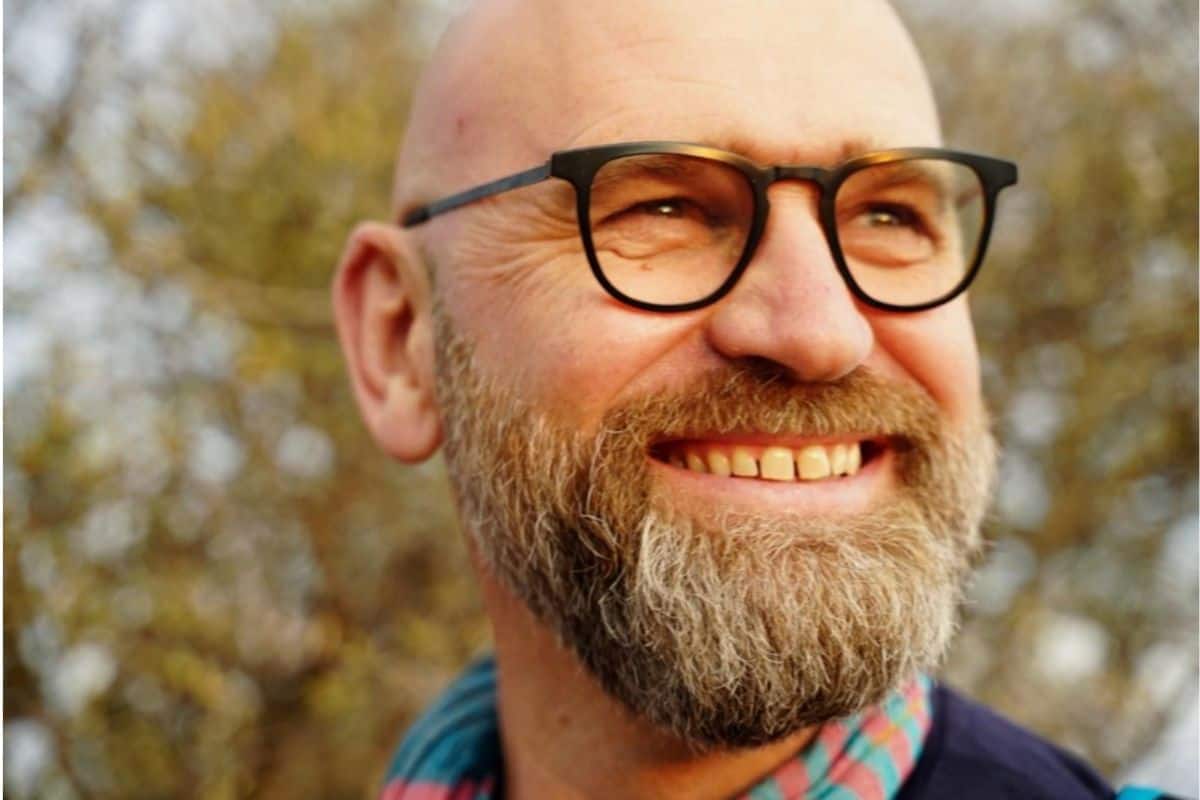
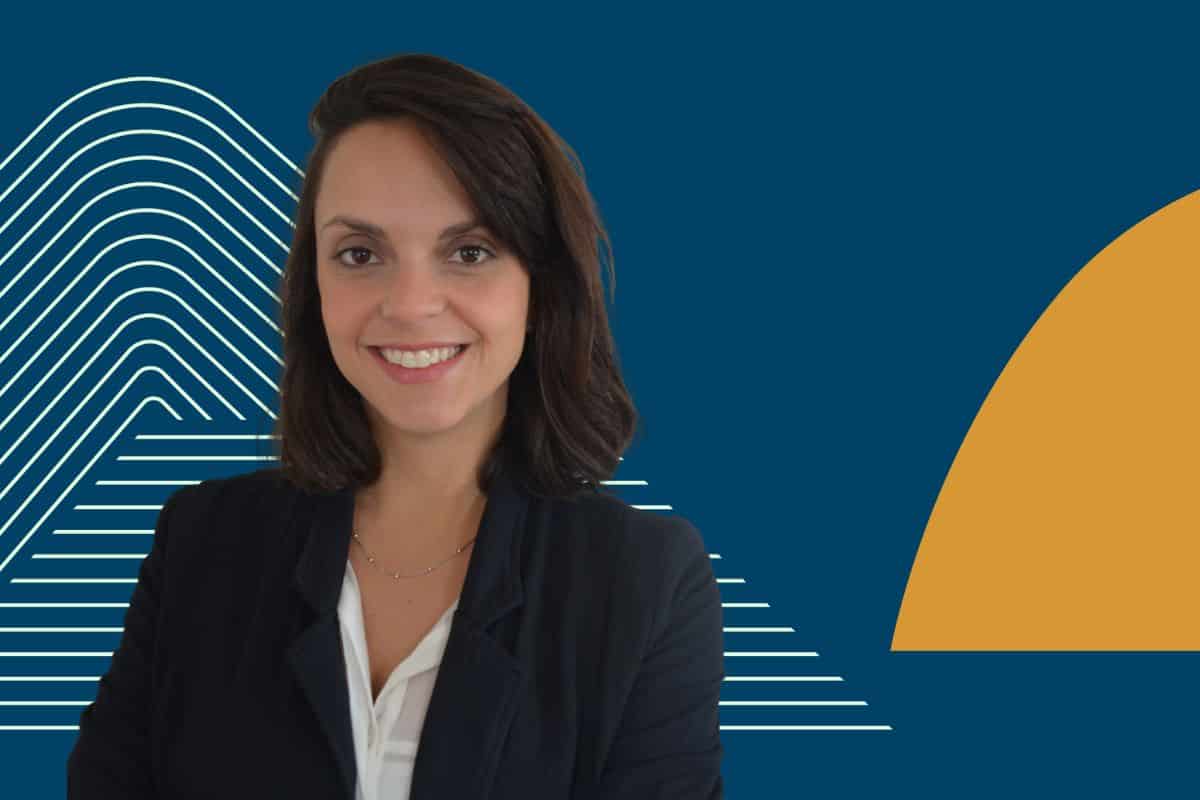
Meet Charlotte, the Valley’s Innovation Impact Lead.

Charlotte Viale

“I love mapping out any challenge, analysing it and using creativity and strategy to fuel problem-solving, especially concerning the food system.”

Tell us a bit about yourself.

I was born in France but grew up abroad, and I became passionate about food after experiencing different cuisines from around the world. Seeking an international environment closely connected with food, I completed my Bachelor's at the Ecole hôtelière de Lausanne (EHL) in 2021. I recently completed a Master's in consumer studies at Wageningen University and Research to further pursue my education in the food industry.

What motivated you to work for the Valley?

To me, the Valley is like a crystal ball where you can see all the up-and-coming food and nutrition projects and get the chance to connect key players to drive innovation further and maximise impact even before a project is launched. Being at the centre of the Valley provides me with the exciting opportunity to guide and assist innovators in shaping the future of food.

What are you working on at the moment?

I am working on a Partner Project Collaboration tracking system that will permit the Valley to track its impact and allow our partners to co-create and innovate.

What is your now-not-so-secret super power?

I love mapping out a challenge, analysing it and using creativity and strategy to fuel problem-solving, especially concerning the food system.

Tell us something else we still don't know about you.

I have always been intrigued by outer space. I was recently given an exciting opportunity to work alongside a start-up that uses space tech to build a future-proof food system by enabling soil regeneration using geospatial intelligence.

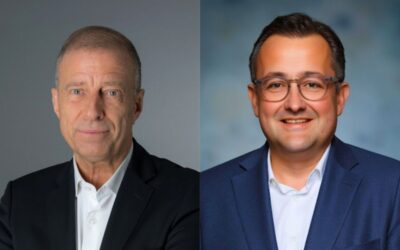
Meet Hanna, the Valley’s Facility Sharing Co-Lead.

photo of Chris Fesen

“Giving consumers tasty options will motivate them to shift towards healthier and more plant-based diets.”

Tell us a bit about yourself.

I'm a food scientist by trade, and I am passionate about innovation in food science. I did my PhD in France on a project linked to the dairy industry, and I am now working as a postdoctoral scientist at EPFL (Lausanne) on plant proteins. My research focuses on the links between molecular mechanisms and perceptions (texture, aroma, taste).

What motivated you to work for the Valley?

Changing the way we eat is essential, and giving consumers tasty options will motivate them to shift towards healthier and more plant-based diets. I also think improving collaboration between different partners and creating a stronger network is key to shaping the future of our food system. I also feel very fortunate to work with such motivated and inspiring people, and I learn a lot from being involved in some of the Valley’s projects.

What are you working on at the moment?

I am working on the creation of a facility-sharing platform. The goal is to create a database of all the available facilities suitable for either research or for scale-up in Switzerland. This will help startups and companies to find the right equipment in a time and cost-effective way and speed up innovation and collaboration.

What is your now-not-so-secret super power?

I am very optimistic and positive by nature!

Tell us something else we still don't know about you.

I am a big fan of outdoor sports, be it running, biking, swimming or all types of skiing. And Switzerland is the perfect place to do all of those!

Alwin Kopse shares how the Federal Office for Agriculture is driving food system transformation

Alwin Kopse shares how the Federal Office for Agriculture is driving food system transformation

Mirai foods burger

Alwin Kopse is Head of the International Affairs and Food Systems Unit at the Federal Office for Agriculture - and also happens to be a big believer in the power of multi-stakeholder collaboration. We sat down with Alwin to talk about why Switzerland is already seen as a thought leader and a bridge builder when it comes to food system transformation.

Hello, could you tell us a bit about who you are and what you do?

Hello, I’m Alwin, Head of the International Affairs and Food Systems Unit at the Federal Office for Agriculture and co-lead of the global Sustainable Food Systems Program for the One Planet Network, a global movement for sustainable consumption and production. I’m also the national convenor for the UN Food Systems Summits food systems dialogues. 

In these roles, I focus on bringing together public and private actors at a national and international level to identify and develop policy and practical solutions to ensure long-term food security and drive food system sustainability.

How does the Federal Office for Agriculture (FOAG) play a role in shaping more sustainable food systems?

The Swiss Sustainable Development Strategy 2030 (SDS 2030) defines the direction for Switzerland's sustainable development. One of the strategy’s three priorities is sustainable consumption and production and food systems transformation clearly plays a key role in its delivery. The Federal Government has defined four strategic action areas to drive forward progress here: 

  1. Fostering healthy and sustainable diets
  2. Reducing food waste
  3. Lowering GHG emissions across the food value chain, and 
  4. Promoting environmentally and animal-friendly agriculture. 

In the run up to the UN Food Systems Summit in 2021, Switzerland developed a National Pathway for Food Systems Transformation based on the SDS 2030. It also contributed to the Coalitions on Agroecology and Healthy Food through Sustainable Food Systems.

The Federal Office for Agriculture, together with other federal agencies, played a central role in preparing the relevant decisions, representing Switzerland on the international stage and contributing to building consensus. Through our longstanding involvement in food systems transformation, I’m pleased to say that Switzerland is already recognized as a thought leader and bridge builder in this field.

Can you share a few examples of how FOAG is collaborating with food ecosystem actors to support the delivery of the Sustainable Development Goals?

Multi-stakeholder collaboration is central to what we do. We work closely with partners from cantons and communes, civil society, industry and academia to implement the priorities outlined in SDS 2030. 

Last year, for example, we supported the gathering of a Citizens’ Assembly for Food Policy (Bürger:innenrat für Ernährungspolitik), that developed recommendations that encourage actors across the food system - from producers to consumers - to consider how they can support the implementation of the Sustainable Development Goals. The Assembly recently teamed up with a scientific panel to present these recommendations to politicians and stakeholders from across the food value chain at the Swiss Food Systems Summit.

We also collaborate closely with international actors through a number of partnerships and programmes. FOAG is a member of the Global Agenda for Sustainable Livestock, a global partnership that aims to make the livestock sector more sustainable. We’re also a founding member of the Sustainable Food Systems Programme (SFSP), an initiative that looks to accelerate the shift towards more sustainable consumption and production patterns along the entire value chain.

The Valley believes that nurturing talent is a big part of Switzerland’s USP. It seems that FOAG also sees young people playing a big role in driving food system transformation. Can you tell us more?

Yes, I believe that young people play a vital role in supporting the shift towards more sustainable food systems and really hold the future of food security in their hands. 

But there’s a huge generation gap: the average farmer globally is currently over 50. So it’s important to find ways to help young people see agriculture as an attractive career path. This might include providing facilitated access to investment credit for farmers under the age of 35, integrating new forms of production - such as insects and algae - into agricultural laws, recognizing new forms of collaboration, and developing an Innovation Award for sustainable agriculture and food systems to show young people what’s possible.

About seven years ago, we raised this issue with global colleagues and many countries, like Sweden and Brazil, shared that they were facing similar issues. The Swiss National FAO Committee worked alongside the FAO on a youth capacity assessment tool to explore what motivates young people to choose a career in agriculture and what it takes for them to successfully establish themselves in the sector. 

The Swiss Agency for Development and Cooperation then developed the "Bites of Transfoodmation" project to bring together a group of diverse young individuals to co-create a unifying vision for the future of food systems in the form of a manifesto. This laid the ground for negotiations by the Committee on World Food Security (CFS) on a policy tool to promote youth engagement and employment in agriculture and food systems. Switzerland chaired these negotiations which resulted in the creation of some new policy recommendations

How can Valley partners support FOAG to achieve its objectives? 

We believe that discussion and collaboration are the only ways to tackle the challenges facing the agri-food sector today. This exchange promotes mutual understanding between food system actors and helps to build consensus on the best way forward.

I’m pleased to see that several Valley partners are already members of the Swiss National FAO Committee that brings together representatives from different stakeholder groups and advises the Federal Council on issues related to sustainable agriculture, food systems and food security.

Maintaining and enhancing food security also requires targeted public and private investment. I believe that principles for responsible investment in food and agriculture can help to prevent, mitigate and manage negative impacts and promote inclusive growth and contribute to sustainable development. I think the Valley and its partners could be well placed to support the development of some principles in this space. 

Ultimately, food systems transformation will not work without innovation and talented people to bring these innovations to life. The Valley and its partners have an important role to play here - both as an ecosystem and a catalyst for innovation and food systems transformation. 

Never miss a Swiss food innovation morsel.

Latest News

Meet Laís, the Valley’s Impact Project Lead on Precision Nutrition.

photo of Chris Fesen

“As a nutrition scientist, I cannot turn a blind eye to the food system's impact on the environment.”

Tell us a bit about yourself.

I was born and raised in Brazil, in the state of Minas Gerais, which is known for its excellent cuisine. Accordingly, my family is full of good chefs and from a very young age, I have enjoyed following recipes and learning cooking techniques from people in my family. My curiosity about food led me to study nutrition, and I eventually trained as a scientist. For me, science is a form of creative expression. It has allowed me to work in different countries, to have contact with other cultures, and to meet amazing people along the way.

What motivated you to work for the Valley?

As a nutrition scientist, I cannot turn a blind eye to the food system's impact on the environment. So the Valley initiatives to bring about change was the first thing that caught my attention. After getting to know the projects developed by Valley, I realised that I had a lot to offer with my background in nutrition science. I feel fortunate to be part of a team busy generating good ideas to solve global problems every day.

What are you working on at the moment?

I'm currently working on enabling the implementation of precision nutrition strategies in low and middle-income countries. Precision nutrition seeks to understand individual responses to diet and how this knowledge can promote better health and prevent disease. So I'm working with an inspiring group of experts to develop effective and accessible strategies for tracking health issues and individual response to nutritional interventions.

What is your now-not-so-secret super power?

I'm a problem solver. In science, I am extremely motivated and stimulated by finding answers to unresolved questions. In my daily work, I like to get things done and create connections to accomplish tasks.  

Tell us something else we still don't know about you.

I participate in several sports to keep myself active, but dancing is my absolute favourite. So when I go to Brazil, I don't miss the chance to dance forró, a traditional Brazilian style of dance. Since life brought me to Switzerland, I've been trying sports involving music, like capoeira, and I'm having so much fun.

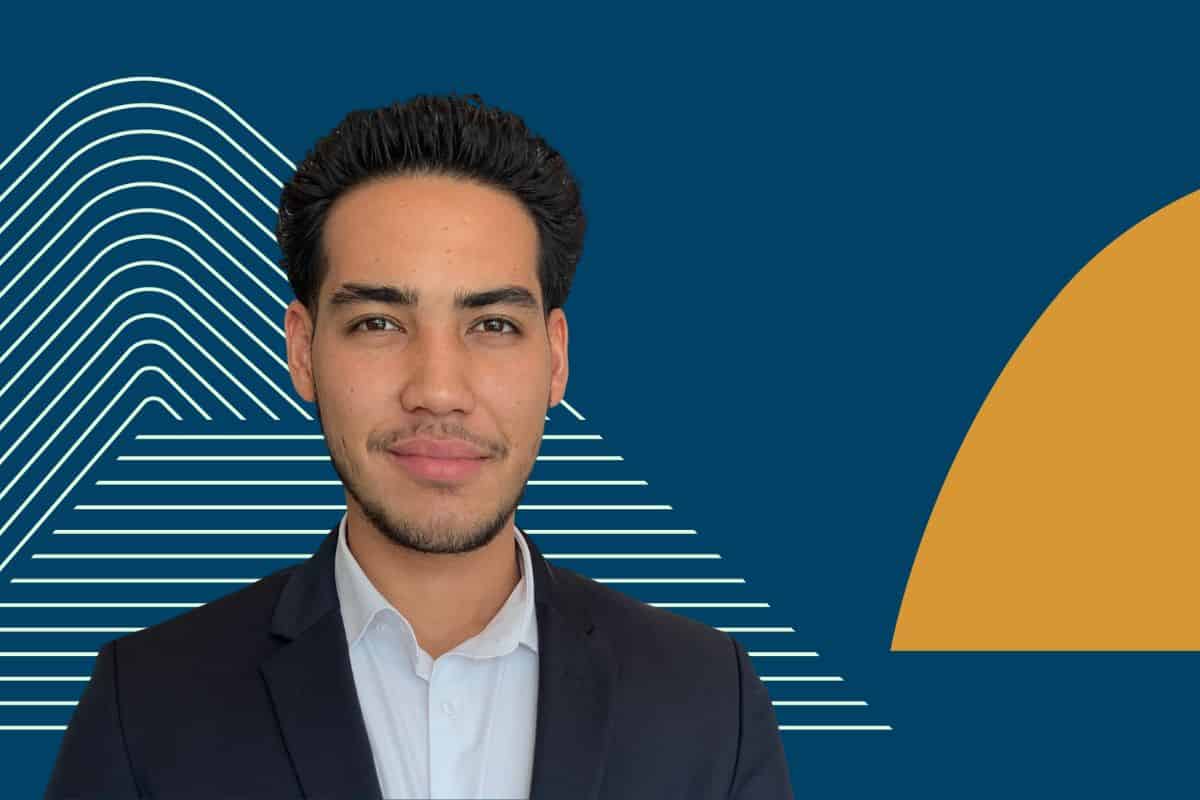
Meet Kyllian, the Valley’s Operational & Administrative Intern.

photo of Chris Fesen

“I am constantly seeking innovative ways to apply my skills to drive positive change.”

Tell us a bit about yourself.

I am currently pursuing a degree in Hospitality and Business at EHL Hospitality Business School. I’d say I have an entrepreneurial mindset that I've been developing since childhood by closely observing the hospitality and construction industries. I am constantly seeking new opportunities and innovative ways to apply my skills to create value and drive positive change.

What motivated you to work for the Valley?

I recently became interested in the food ecosystem and realised that it's a field that is so relevant to today and for the future. The food industry has a huge impact on the environment and this is something that really matters to me. The technologies involved are fascinating and full of surprises. By working with the Valley I will also have a great opportunity to develop my knowledge about the realities of the food system and maybe continue to work in it in the future.

What are you working on at the moment?

I'm responsible for the operational management the talent platform that was recently launched and providing support to the communications, event and admin teams. I am also in the middle of developing a few projects to help deliver the Valley's strategy.

What is your now-not-so-secret super power?

I work efficiently and assimilate new information quickly.   

Tell us something else we still don't know about you.

I love cooking, painting, and exercising at the gym or outdoors.