PowerAPI announces appointment of Coca Cola HBC executive Maté Varga as Chief Strategy Officer

PowerAPI announces appointment of Coca Cola HBC executive Maté Varga as Chief Strategy Officer
Foodetective

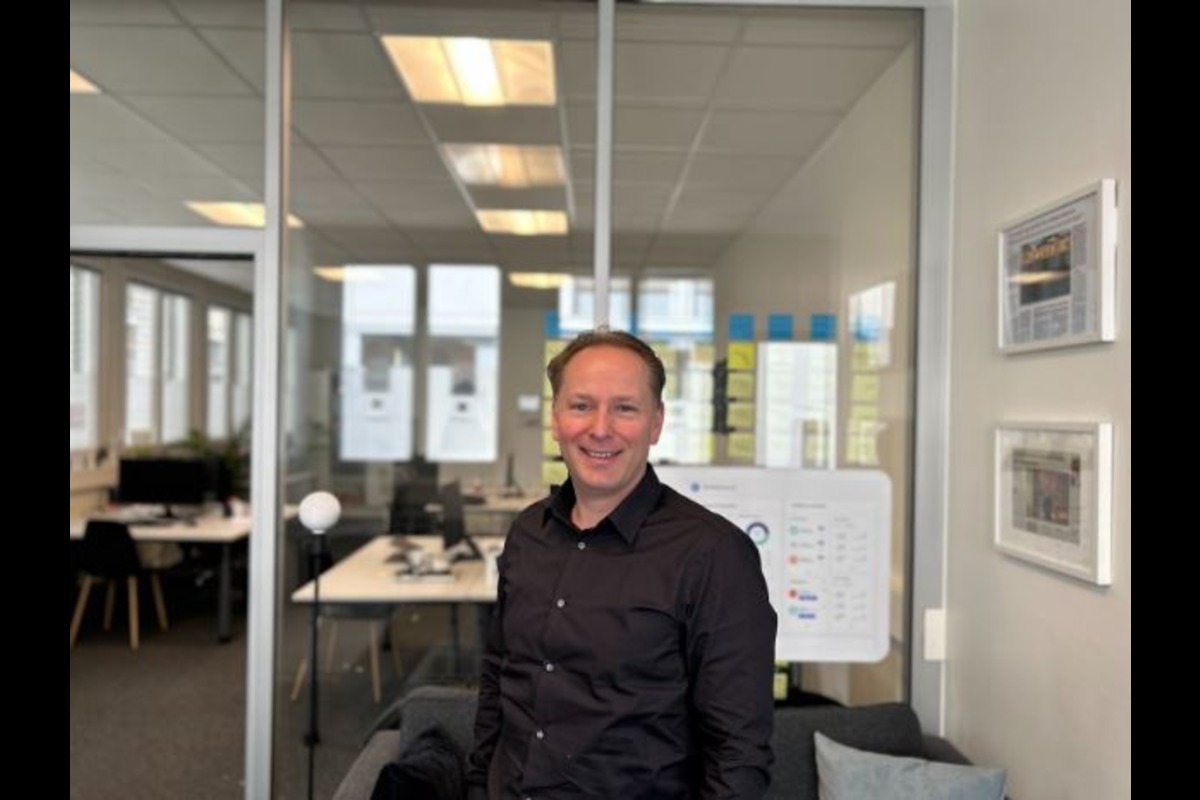
Swiss based commerce infrastructure platform PowerAPI has announced the appointment of Mate Carga as its new Chief Strategy Officer. 

In his previous role, Maté served as Digital & Technology Platform Director, and has a noteworthy career of 20 years across Coca-Cola System. During
his career he was responsible for Sales, Route to Market, Performance and Revenue Growth Management before he became part of the Swiss Leadership team. In his recent role he led the building of Qwell.ch, a Coca-Cola spin-off D2C eCommerce and supported startup acceleration within the Coca-Cola System.
 

PowerAPI Founder and CEO Andrea Tassistro commented on the development; “We’re very excited to announce that Maté has officially joined our leadership team as Chief Strategy Officer. He’ll be putting his 20 years of experience in innovation, technology and strategy planning to work, scaling our platform as we expand globally. This is just the first of many exciting new hires we’ll be announcing in 2023.“  

Founded in 2018, Valley partner PowerAPI offers local businesses and entrepreneurs an all-in-one platform which enables businesses to seamlessly manage their entire operations, tech stack, suppliers and marketing - optimising and automating their entire operations end to end. 

Maté who also took up roles including Revenue Growth Manager, will lead the company's growth strategy, directed and executed business assessment and strategy development. 

“The economy is undergoing a fundamental shift, as organisations adapt their business models to fully take advantage of digital technology: companies are building stronger relationships with their consumers, expanding internationally, distributing online services, and automating their supply chains. Moving to PowerAPI gives me the opportunity to leverage my experience of global scale combined with speed of execution.“, said Maté.

Along with this appointment, PowerAPI has recently announced the release of its Universal API. and the onboarding of Rahul Chauhan, as VP of Partnerships and Licensing, who brings 10 years experience in Digital CX, SAAS, Fintech and Digital Space on a mission to scale PowerAPI partnerships globally. 

About PowerAPI

PowerAPI empowers corporates, service & product integrators, agencies and the public sector with white label plug and play tools to facilitate digitalization, boost their product offering, answer customer needs, and a quick go-to-market. PowerAPI’s OpenAPI and SDK’s facilitates integration, and our partner success team ensures you have top class support. SMB’s use PowerAPI as an all-in-one operational software to manage their entire tech stack, automate operations, simplify their admin, grow their online revenues, and accelerate new business opportunities.

Looking for talent or your next opportunity?
Sign up below to find out when our new job platform launches.

Latest News

Meet the two sisters who turned to entrepreneurship to tackle our food system challenges

Meet the two sisters who turned to entrepreneurship to tackle our food system challenges

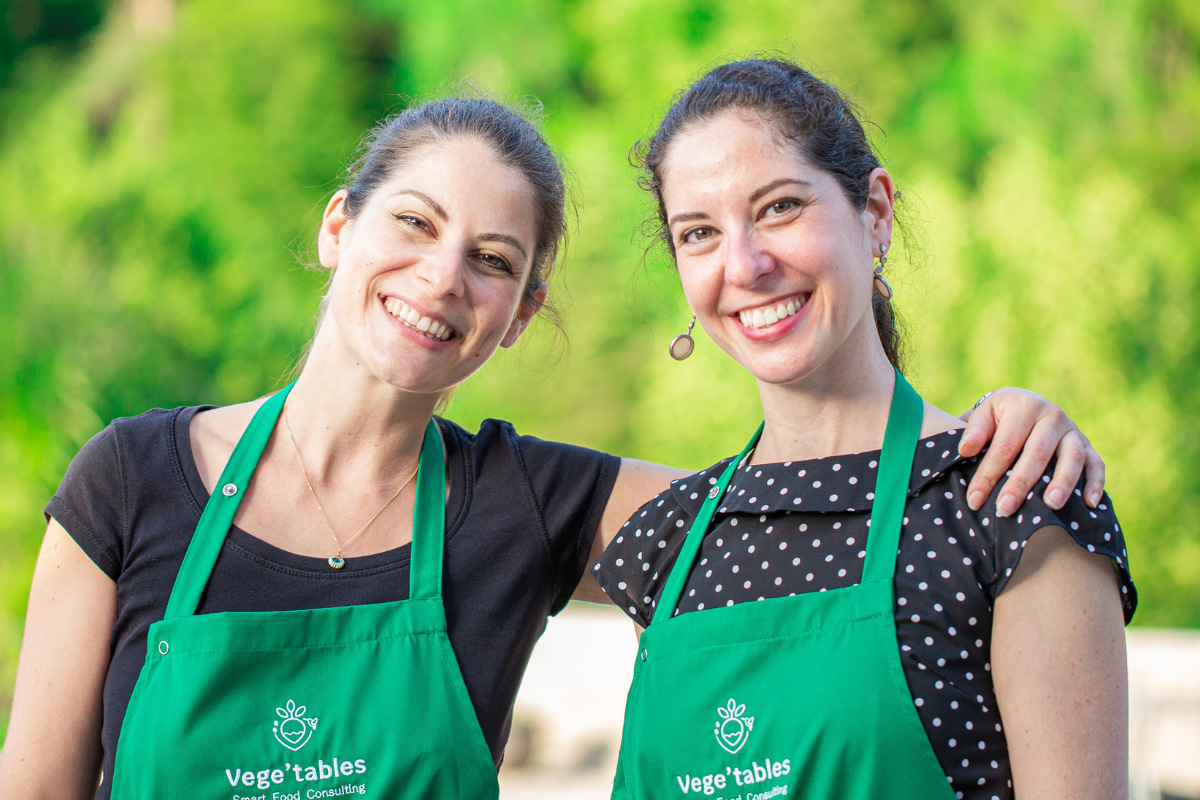
Nadia and Sophie Hanessian

Growing up, sisters Nadia and Sophie Hanessian didn’t know they would end up founding and jointly running a smart food startup. But they did already share a common outlook on the world – one based on sustainability, social justice and a commitment to tackling key environmental issues. It was this that inspired the siblings to take the leap into entrepreneurship side by side, eager to tackle the most pressing food system challenges. 

Tell us a bit about the people behind the Vege’tables team.

Hello, we're Sophie and Nadia Hanessian, co-founders of Vege’tables! Nadia, our CEO, has a bachelor’s degree in economics and a master’s in international management. She's worked in different roles in both the technology and the higher education industries, specialising in project management and consulting. Sophie, our COO, holds a Brevet fédéral in human resources, as well as a CAS in management and has worked in several large companies in Switzerland, developing her expertise in the different aspects of HR. We are now full-time impact entrepreneurs using everything we’ve learnt to tackle the social and environmental challenges we face.

Describe what Vege'tables does in a sentence or two.

Vege’tables provides consulting, training and catering services to companies, organisations, restaurants and individuals. We're all about Smart Food: food that is healthy, ethical and sustainable - usually whole foods, and always 100% plant-based.

What gets you out of bed in the morning? 

We love turning ideas into reality – and thankfully that is what entrepreneurship is all about! We really relish engaging with people, be it our Veggies’ team, clients, partners or event participants. We love talking to others to raise awareness of the impact of our food choices on our health and the environment, and to provide concrete solutions in the process.

What key milestones have you hit so far?

In two years, Vege’tables has developed from an idea to a concrete project – and has been a registered company with a growing portfolio of clients, partners and services since summer 2022! In the final quarter of 2022, we catered for numerous events and delivered several conferences and team-building activities for large organisations as part of their health and sustainability programmes.

What projects are you and your team working on at the moment?

We’re currently developing new smart cooking courses and consulting services for professional chefs and restaurants to help them to broaden their skills and make high-quality and delicious smart food available on every menu. 

In parallel, we’re running several online and offline projects to grow our reach and offer practical resources and tools to organisations and individuals to help them to actively reduce their carbon footprint through their food choices.

How do you collaborate and support others in the ecosystem?

Co-creation is at the core of our business. We’ve developed (and keep developing!) partnerships with like-minded businesses, associations and academics to advance our mission of making Smart Food desirable and accessible to all. We're always happy to explore new collaborations, as well as to provide advice and share knowledge with others. We can organise events, as well as provide resources, activities and training to help organisations of all sizes develop their health and sustainability strategy. We also offer smart cooking training to professional cooks and individuals.

What support could the Valley community offer to further your work?

As we are in the early growth stage, Vege’tables would definitely benefit from the Valley’s connections to develop new partnerships and our client base. We're also looking for sponsors to allow us to run and consolidate our free public programmes for individuals and look forward to inviting some Valley partners on board.

Tell us something we don’t know about your company.

Vege’tables is very much a family business! We (Nadia and Sophie) are sisters who decided to turn to entrepreneurship to address the social and environmental challenges caused by our food system. Fun fact: can you guess who is the elder sister? There’s a four years age gap between us, but most people can’t figure out which way round!

Connect with Nadia and Sophie on LinkedIn to learn more about collaboration opportunities, or visit the Vege’tables website.

Never miss a Swiss food innovation morsel.

Latest News

Swiss startup Mirai Foods produces first cultivated tender steak

Swiss startup Mirai Foods produces first cultivated tender steak

Mirai foods burger

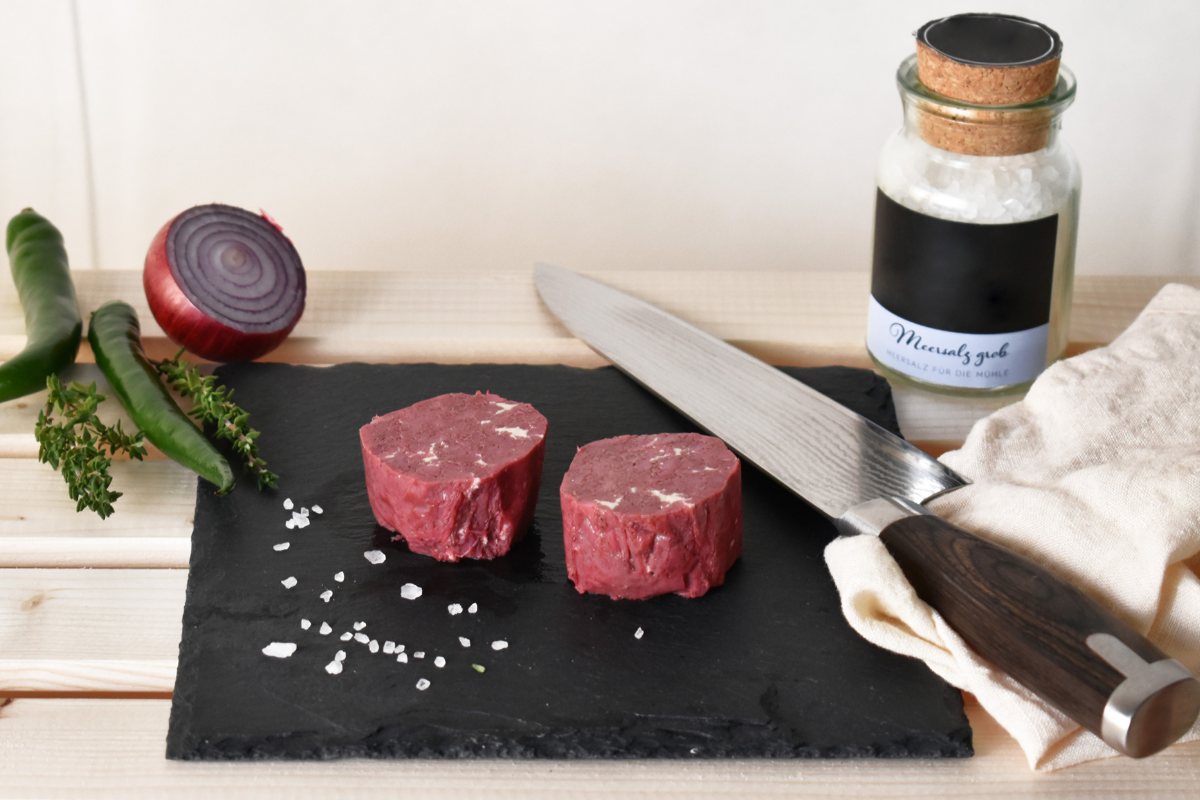
In a significant breakthrough for cultivated premium beef steaks, Swiss startup Mirai Foods has announced a technological leap forward in its cultivation of thick tender steaks.

The Zurich-based company has developed what it calls “Fibration Technology” that allows for efficient cultivation of tissue that mimics conventional meat. Mirai’s innovative bioreactor also improves efficiency and reduces costs. And as Mirai Foods exclusively uses natural cells, the process is completely GMO-free.

This milestone highlights Mirai Foods' track record of success since the company’s launch in 2019. "Other types of meat can already be produced in the lab," said Christoph Mayr, CEO and co-founder of Mirai Foods. "A fillet steak is the ultimate challenge: it consists of different cell types, which result in a complex structure. This structuring process is technologically challenging. That's why Mirai Foods is taking an important step towards sustainable meat with the first cultivated beef tenderloin steak."

Technology makes centimetre-thick cultivated steaks possible

The first cultivated tender steak comes from Mirai Foods' in-house developed bioreactor, known as “The Rocket”. It embodies the startup’s proprietary fibration technology which sees long, fully mature muscle fibres cultivated, then combined by enzymes and supplemented with cultivated fat tissue. After five days in the bioreactor, a tenderloin centrepiece is complete. Steaks of almost any thickness can be cut from this structure.

"We have filed three international patents for this key technology," said Suman Das, CSO and co-founder of Mirai Foods. "We can deliver a real alternative to conventional meat: using our technology, consumers can enjoy a real steak - and know that no animal had to die for it and the climate was not harmed.”

Standing out from the competition

While competitors can only produce minced meat or very thin slices, Mirai Foods has with this new development shown that naturally recreating real steaks with a thickness of one and a half centimetres and more is possible. The technology developed for this purpose not only enables better nutrition and taste, but also creates significant cost advantages in production. 

Investors are also enthused by the latest developments. Along with several other investors, Zürich based food and meat producer Angst AG, which sees Mirai as a future supplier for its diverse range of meat products, has now joined the company. In a seed round, international investors have already invested more than CHF 4.5 million ($5 million) in Mirai Foods.  

The high level of funding interest also underscores the fact that Mirai Foods is one of only a few companies in the world working to offer natural meat produced in bioreactors by multiplying muscle and fat cells without the use of genetic engineering. As a result, the startup’s product development is geared toward the preferences of European consumers - maintaining the highest standards of taste, quality and health. In the long term, the company aims to offer a wide range of meats but is for now focusing on premium beef given the associated planetary costs.

Find out more by visiting the Mirai Foods website.

Never miss a Swiss food innovation morsel.

Latest News

Two new partnerships expand CleanGreens’ presence in the European and Middle Eastern markets

Two new partnerships expand CleanGreens’ presence in the European and Middle Eastern markets

Insolight

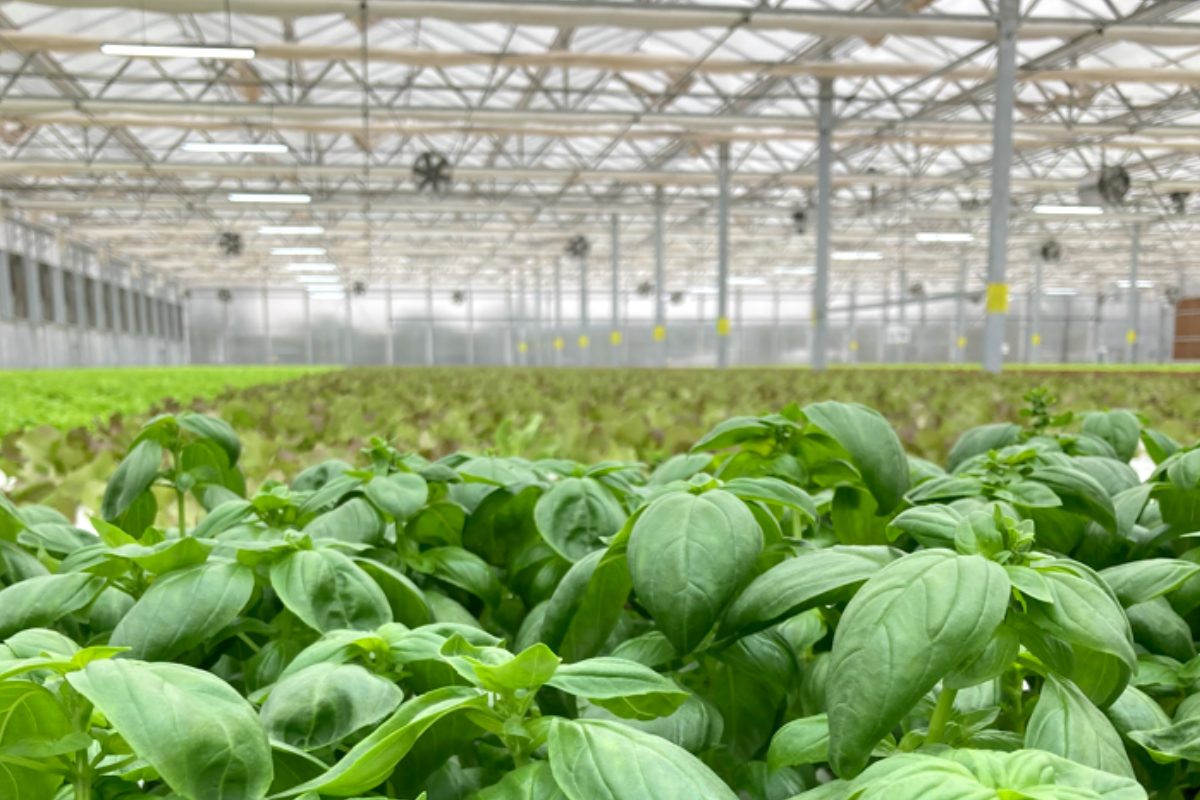
Founded in 2013, CleanGreens spent its first six years designing, developing and polishing its aeroponic growing system at the company’s headquarters in Molondin, Canton de Vaud, Switzerland. 2019 saw the installation of their first commercial system in France - and this year has seen the launch of two new partnerships, building their presence in two distinct regions.

On February 1st, CleanGreens Solutions and GreenLife officially inaugurated their joint collaboration: the launch of the first ever aeroponic greenhouse in the Middle East. The launch event included a visit to the soilless farm in the city of Abdali and a tour of the site led by Green Life agronomists.  Bruno Cheval, CEO of CleanGreens Solutions, emphasized the importance of the project: “Traditional agriculture is failing to produce enough food for everybody and this project is merely a first step in the future collaboration in the GCC region." 

The 6,000m2 greenhouse in Kuwait is an important landmark in CleanGreen’s growth outside of Europe.  Adel Al Shamali, the chairman of Green Life Company, highlighted the importance of agriculture in achieving the two key goals outlined in the Kuwait 2035 vision – ensuring food security and diversifying income sources. And in the hot and arid climate, one on-site agronomist summarized the necessity of the project:  “The aeroponic irrigation robot is a breakthrough, it facilitates our life as we know that the plants get what they need whenever they need it, we don’t have to worry about the water temperature or the oxygenation of the plant.” Experts who attended the launch heaped particular praise on the superb quality of the lettuce.

Developing a presence in the French market

Earlier this year, in January, Valley partner CleanGreens Solutions SA and Midiflore announced a similar collaboration on the installment of a 3,500 square meter aeroponic greenhouse using the CleanGreens' GREENOVA system in the South of France. The project, which is set to begin in the final quarter of 2023, will allow Midiflore to produce aromatic herbs locally and reduce their reliance on imports. This project marks a major milestone for Midiflore as this system offers a more sustainable solution for growing aromatic herbs.

"We value local production and we're excited to soon be able to produce our favorite herbs here all year long," said Sylvie Recouvrot, owner of Midiflore. "At the moment, we produce in the fields, so our crews are exposed to the climate conditions and must work in uncomfortable positions. Transitioning to the greenhouse will allow them to have a better work environment."

A sustainable solution for local production

Both of these projects mark the next step in CleanGreens' growth. Aeroponics, compared to hydroponics, uses less water, offers a wider range of varieties that can be grown, and brings a consistent quality of crops. It is easy to use, with an irrigation robot taking the guesswork out of watering, and clients receive training on existing systems before installation. Additionally, the GREENOVA system allows for multiple harvests, increasing efficiency and profitability for clients, and boosting income and workforce for CleanGreens. 

Bruno Cheval, CEO of CleanGreens said, "Despite adverse market conditions, with this project we can demonstrate that CEA farming and our aeroponic technology in particular can still progress. Our clients can grow herbs at a lower cost than they import it, and with a significantly better quality, that's a significant advantage for aeroponics."

 About CleanGreens Solutions

CleanGreens Solutions (www.cleangreens.ch) is a Swiss mobile aeroponic system provider. The company is selling its GREENOVA aeroponic system in combination with the GURU Crop Management System. The company has been delivering leafy greens projects in Europe and in the Middle East. Contact Bernhard Baumgartner at bernhard.baumgartner@cleangreens.ch for more information.

About Green Life Co. 

Green Life Co (https://greenlifegcc.com)  was established in 2021 to meet the growing demand for regionally produced foodstuffs and provide healthy and high-quality products using the lowest amount of water through modern technological methods called Mobile Aeroponics Agriculture. 

About Midiflore 

Midiflore (https://midiflore.com/) is an aromatic herbs and edible flower producer located in Hyères, in the South of France. The company grows over 50 varieties of herbs both in greenhouses and on open fields.

Never miss a Swiss food innovation morsel.

Latest News

5 questions for Professor Véronique Michaud

5 questions for Professor Véronique Michaud

Mirai foods burger

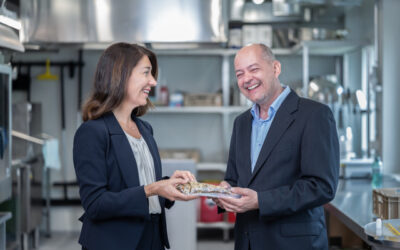
Prof. Véronique Michaud heads up the Laboratory for Processing of Advanced Composites (LPAC) and is the Associate Dean of Engineering for Education at the Ecole Polytechnique Fédérale de Lausanne (EPFL) in Switzerland. The team has recently been exploring use of novel bio-sourced materials for food packaging, as well as how we can use agricultural waste as a source of raw materials.

Tell us a bit about your laboratory. 

At LPAC we aim to establish the scientific basis for the next generation of materials and processes in the fast-growing fields of polymers and composites. While a large part of our activity is relevant to the traditional fields of mobility, sports and energy generation, we're also increasingly active in the field of food packaging.

Can you share some insights into some of your projects?

Recently we've been focusing on the use of novel bio-sourced materials and composites. There are lots of factors to consider here. The materials we create must provide adequate mechanical resistance so food is not damaged in transit. It also has to have adequate oxygen and odour barrier properties while reducing the overall environmental impact. We’re currently carrying out research activities that look at how we can utilize agricultural waste as a source of raw materials and consumables for composite processing.  

How did you get into this field? 

I studied engineering and graduated in 1987 from Ecole des Mines in Paris, before completing my PhD in Materials Engineering at MIT. I then spent three years at Ecole Centrale in Paris, teaching and researching in the Laboratory for Materials, Structures and Soils Mechanics, before joining EPFL in 1997.

As a consumer, is there any particular food system challenge that stands out for you?

Beyond the obvious issue of the large amount of waste which either could be avoided or valorized, I'm particularly concerned about the issue of food logistics across the globe, and the vulnerability of our food system to disruptions due to natural or other disasters.

We need to find a good balance between the producing food more efficiently at scale, and optimizing and securing the distribution and storage of goods. This also means that consumers should be more aware of the need to grow and consume local products. This always makes me think that Voltaire was right when he made Candide say that we must cultivate our garden!

How can SFNV members and the wider Swiss food ecosystem engage with LPAC? 

Reach out to my colleagues at the EPFL Integrative Food and Nutrition Center. The IFNC’s team acts as an interface between EPFL researchers and the outside world, mostly food industry players. Collaborations always start with a scientific question. Contact Christian Schwab, the Center’s Executive Director, to find out more. 

To find out more about LPAC or connect with Véronique on Linkedin. 

Never miss a Swiss food innovation morsel.

Latest News