MIRAI FOODS and Shiok Meats enter into a strategic partnership agreement

MIRAI FOODS and Shiok Meats enter into a strategic partnership agreement

MIRAI FOODS - a Swiss company at the forefront of cultivated meat production - has entered into a strategic partnership agreement to develop cultivated beef production in Singapore and accelerate regulatory approval.

MIRAI FOODS has entered into a partnership agreement with Gaia Foods, a company specializing in cultivated red meat technology in Singapore and a subsidiary of Shiok Meats, the first cultivated seafood company in SE Asia.  The collaboration will enable the two innovators to exchange know-how and supplies to bring cultivated beef to Singapore. 

MIRAI FOODS will supply Gaia Foods with its one-of-a-kind bovine muscle and fat stem cells – the essential raw material for producing cultivated beef. These are natural, highly pure, non-genetically modified cells collected from premium cattle breeds, which are hard to come by in Singapore.

A growing appetite

We are excited to partner with one of the world’s leading cultivated seafood producers and their subsidiary cultivated meat company to extend the culinary choice for Singaporean consumers to premium, Swiss quality cultivated beef”, shares Christoph Mayr, CEO at MIRAI FOODS. “Partnering with a Singaporean company is particularly interesting for us given the country’s strong distribution and partnership network across the Asia Pacific region, which has been showing a growing appetite for safe, high-quality beef”, he adds.

Shiok Meats will provide MIRAI with its advanced regulatory information and know-how, gained from being located in the first country in the world to approve the sale of cultivated meat and home to the largest cultivated meat facility in Asia. MIRAI’s regulatory dossier filing in Singapore will be a first crucial milestone for the Swiss company to enter markets outside of its home ground. 

Sandhya Sriram, Group CEO at Shiok Meats and Gaia Foods, reveals that “this partnership is the result of a strong relationship we have been building with MIRAI. We already started working with MIRAI’s stem cells and are very happy with their performance. Whilst we will leverage our regulatory status and expertise to help MIRAI accelerate its market entry in Singapore, we are also looking at the potential production and distribution of our seafood products in Switzerland, a high purchasing power market with a strong first adoption mindset.

About MIRAI FOODS

MIRAI FOODS is a Swiss deep tech food company and one of the fastest moving 2nd generation cultivated meat start-ups, focusing on non-GMO, premium beef. Since its inception in 2019 the company has developed ground-breaking technologies that enable the cost-efficient and scalable production of natural, highest quality, 100% cultivated beef that is tasty, nutritious, and healthy. The unique combination of its patented technologies allows the company to produce whole cut filets and steaks. MIRAI has raised six million USD in seed equity, received three million USD in non-dilutive research grants and filed three defensible patents.

About Shiok Meats and Gaia Foods

Shiok Meats is a cultivated meat and seafood company – the first of its kind in Singapore and South-East Asia. “Shiok” in Singapore and Malay slang means fantastic, delicious, or simply put - pleasure. Shiok Meats owns SEA’s first cultivated red meat company, Gaia Foods. Their mission is to bring delicious, sustainable, and healthy seafood and meats to the table, using their technology to grow meat from healthy cells instead of animals. Currently, Shiok produces crustaceans like shrimps, crabs, and lobsters and are the first in the world to do so using cellular agriculture technology. Their meats are real meat, delicious and nutritious. Their meats are ethical and environment-friendly. Gaia Foods specializes on textured red meat like beef steaks.

Never miss a Swiss food innovation morsel.

Latest News
Join the Swiss Food & Nutrition Valley ecosystem.

This Swiss startup’s AI-powered solution is leveraging data to improve how we farm.

This Swiss startup’s AI-powered solution is leveraging data to improve how we farm.

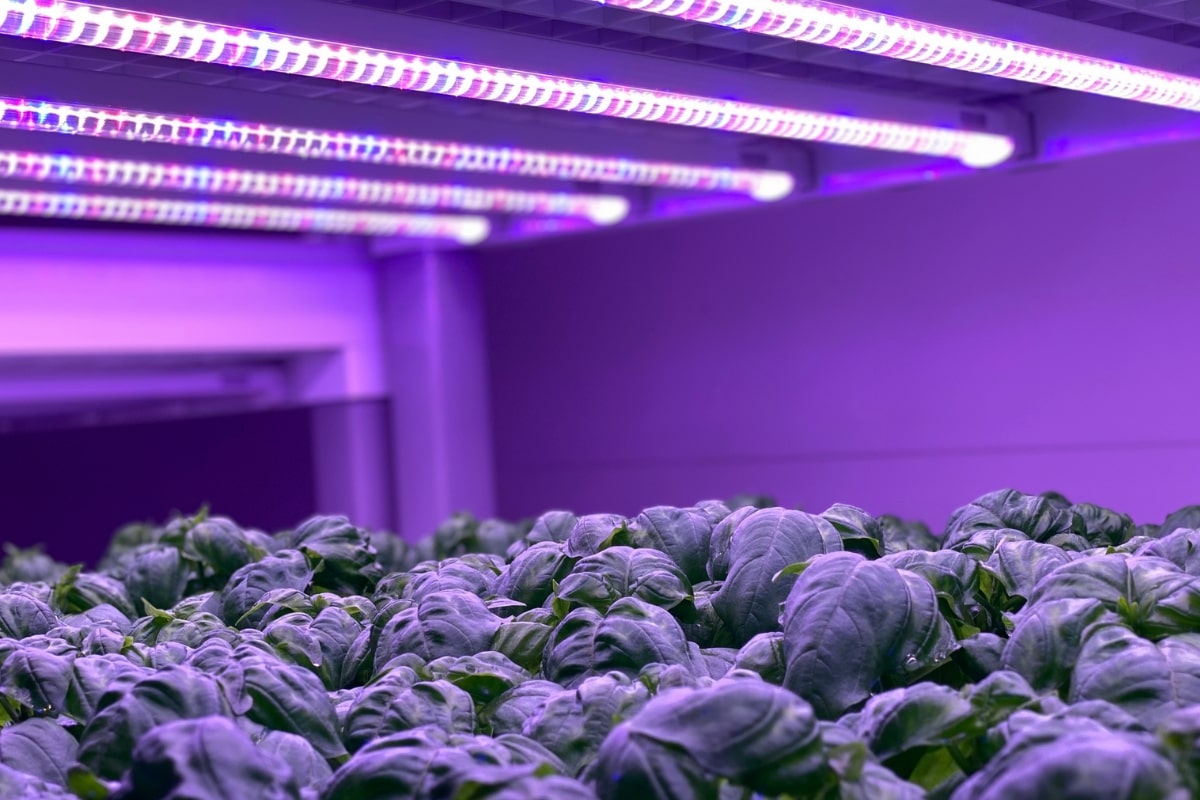
Purple lights growing vegetable

Patrick Albrecht will be the first to tell you that he doesn’t have green fingers. But his team’s AI-driven software uses thousands of data points to optimize growth conditions - saving time and reducing the energy and resources needed to produce great quality produce. We sat down with Patrick to find out more.

Hello. Tell us a bit about yourself.

I’m Patrick Albrecht, Co-founder and CEO of Fruitful Farming AG. I’m passionate about building solutions to produce food in a circular and sustainable way through state of the art technology. I’m also a true tinkerer at heart.

Tell us about Fruitful.

We leverage data to improve the way we farm. Our technology allows growers to monitor and optimize their growth environment - so they can produce high quality produce, at scale, independent of the season and using minimal resources. The key differentiator here is that we don’t only listen to the growth environment but also we analyze optical data points of plants by leveraging computer vision. 

What gets you out of bed in the morning?

I’ve always loved anything to do with food - especially cooking and eating it! But as my former long-suffering terrace plants could confirm, growing was actually never my forte! That’s why I find working for Fruitful so motivating. We provide the tools that make growing great quality produce easy.  

What does your typical day look like?

Each day is totally different! After breakfast, I tend to work through my emails to check in and see if there’s anything important I’ll need to focus on that day. Then maybe I’ll have a meeting with clients or grab coffee with another startup founder to share ideas. I’ll often touch base with the tech team to discuss how we can improve the product and think through ideas for new features.

What key milestones have you hit so far?

In three years, we’ve taken Fruitful from an idea to a validated product with paying clients. We were very grateful to get coaching support from Innosuisse early on - this really accelerated our progress. We launched our initial product in May last year and have since been working alongside clients to test and improve it. 

We’ve also managed to grow an amazing team of individuals who are genuinely passionate about agriculture and sustainability and we’ll soon be announcing some really exciting funding news. Watch this space!

What are you working on at the moment?

We’re working on a number of projects across Europe. A reputable university in Italy is using our technology as part of a project on light spectral analysis. Our Austrian partners are exploring how our software can optimize the growth of medicinal plants by aiding visual inspection and helping to identify the best harvest times. We’re even collaborating with a partner in Norway who is using sheep wool as a byproduct and solar energy to run a small circular economy inspired vertical farm! I find these collaborations fascinating as they help us to see how our software can add value in ways we would have never thought of ourselves.

Can you support others in the food innovation ecosystem?

We’re big data and analytics geeks and our strengths lie in developing technological solutions. I’d love to work alongside companies who are operating farms or research facilities who might be looking for this type of expertise. There are so many tools available. If you’re not working in the sector you might not be aware of them but they could make a huge difference to the way you work. We’d love to help here.

How can other actors support your work ?

I think open and honest conversations are the best way to move things forward. Becoming a SFNV member has helped us to connect with others who are developing complementary solutions and have a similar mindset. Talking about what we’re struggling with has helped us to identify how we can use our respective expertise to better support each other. If you’re interested in finding out more about Fruitful, please do reach out. I’d love to chat.

Swiss Food & Nutrition Valley will soon be launching our fourth Impact Platform on the Future of Farming. What are your predictions in this space?

Recent international developments have reminded us why we need to change the way we farm. Consumers and retailers are now even more supportive of local and sustainable production. I think the future of farming will play into these trends, while using tech to drive better efficiency to ensure that we use our limited planetary resources as effectively as possible.

Tell us something we don’t know about your company.

When we first had the idea for Fruitful I built a small vertical farm in my apartment! I knew that I wasn’t great at looking after plants so I wanted to see if I could create a system that would keep even my plants alive! My makeshift automated system worked and soon I was giving my surplus tomatoes and radishes to friends and family members. Of course, it was just a bit of fun, but I also think that this project helped me understand the complexity of experiment design in modern agricultural systems and the importance of data in these fields.

Connect with Patrick on LinkedIn or find out more on the Fruitful Farming website. 

Latest News

Join the Swiss Food & Nutrition Valley ecosystem and be partof the journey!

CleanGreens Solutions is gearing up to bring their mobile irrigation robot to new markets

CleanGreens Solutions is gearing up to bring their mobile irrigation robot to new markets

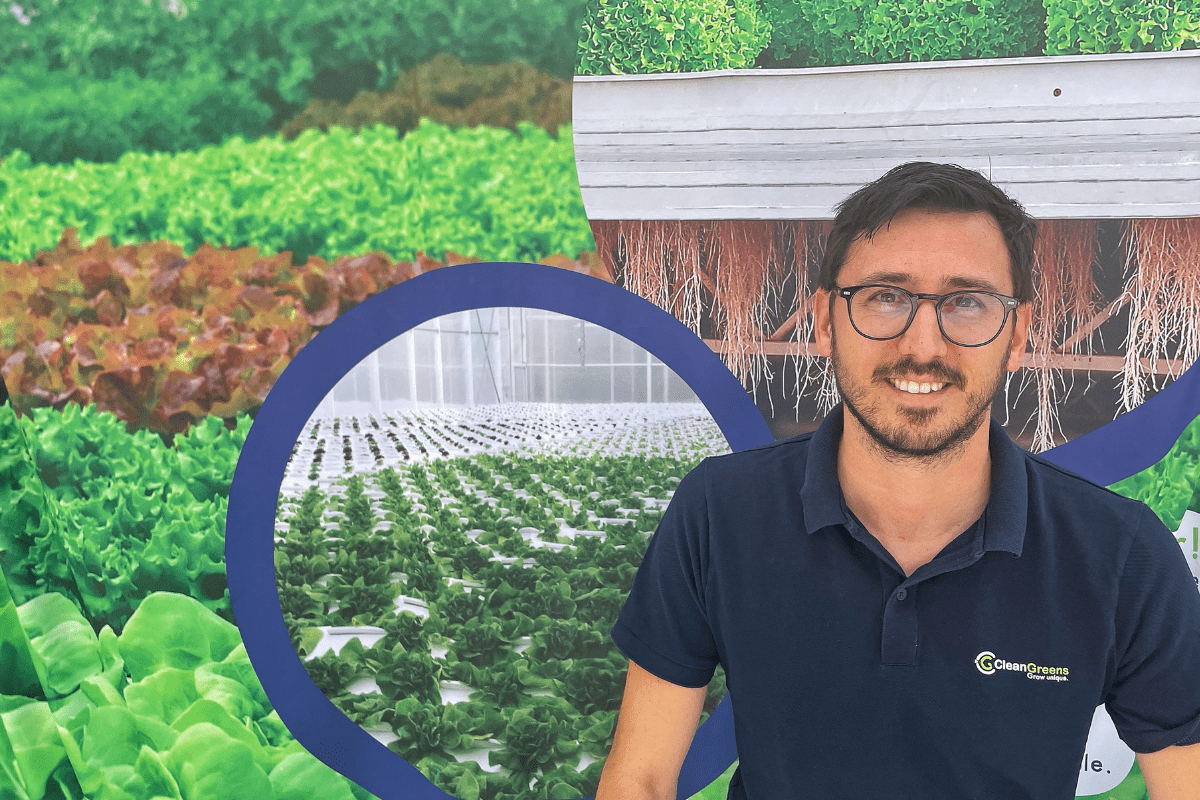
Having grown up on a farm, Bernhard Baumgartner, Commercial Director at aeroponic growing system manufacturer CleanGreens Solutions, grew up surrounded by plants. Now he’s helping colleagues across the globe - from Europe to the Middle East - grow a feast of leafy greens thanks to the company’s unique Greenova system, which uses robotic aeroponic equipment to reduce water usage and bypass pesticides. 

Hello. Tell us a bit about yourself.

I’m Bernhard, Commercial Director of CleanGreens Solutions. I grew up on a farm in France so I’ve been surrounded by plants for as long as I can remember. After studying business, I worked in the renewable energy sector before moving to consulting in business development roles. I joined CleanGreens Solutions last year when the company started to scale up their development internationally.

What gets you out of bed in the morning?

The correct answer is my alarm, but I imagine you’re looking for a more interesting answer! Above all, I’m driven by working with visionary people and companies, and seeing our joint projects progress. We work with pioneering clients who are changing the way we produce food.

Tell us more about how your system is changing food production?

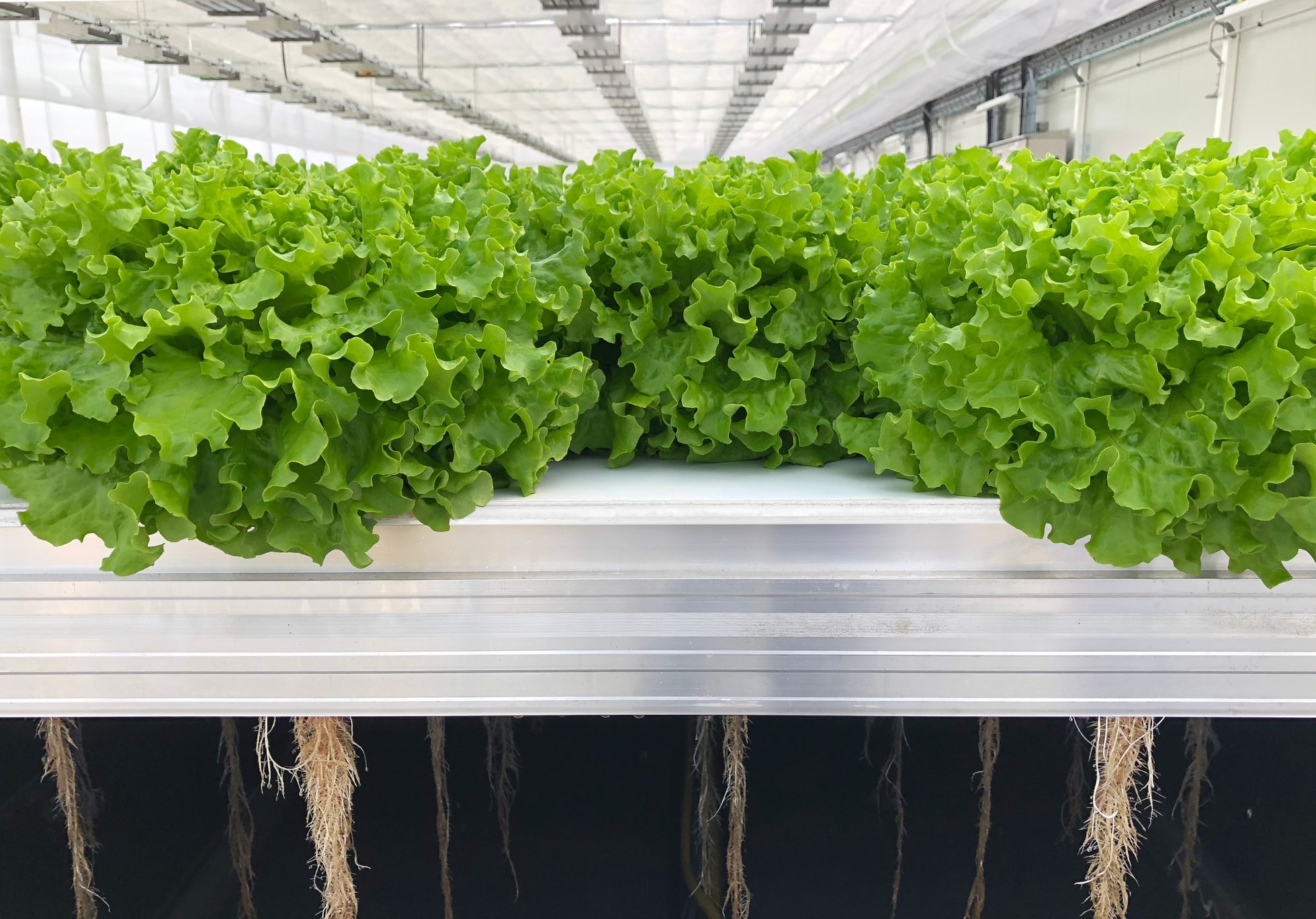
Our top priority is sustainability. At CleanGreens we have developed a soil-free, mobile aeroponic solution for the production of lettuce, salad crops and herbs in industrial greenhouses. At the heart of our system is a smart irrigation robot, which travels beneath the supporting structure that houses the crop modules, spraying the roots from below with a nutrient solution. 

What are the key benefits of this system?

Our system, called Greenova, allows clients to produce leafy greens while using very little resources in terms of water, fertilisers and pesticides, regardless of location. It enables everyone to buy locally produced leafy greens and greatly reduces food miles. Our technology multiplies lettuce yield by a factor of 30 while reducing water consumption by 25 compared to traditional agriculture.

Lettuces growing in a robotic irrigation facility
What does your typical work day look like?

We work on so many different projects that there’s no such thing as a typical day - which is a good thing. Still, every day often includes discussions with clients, following up on existing projects and chatting about Greenova with prospective clients. Lately we’ve been in conversation with governments from various countries about launching Greenova in their markets, which is very exciting.

What key milestones have you hit so far?

Firstly, there’s the large scale projects we’re delivering right now. We are installing our system in a 6,000m2 greenhouse in Kuwait and at a 7,000m2 one in France as well. Then there’s the fact that our clients can produce so many varieties of leafy vegetables much more cheaply by growing in their own locale, therefore avoiding import costs and transport emissions. Making that possible took a great deal of sweat and brain power from our agronomy and technical teams.

What exciting projects are you working on at the moment?

We just finished renovating our R&D centre at Agropôle in Molondin so we now have a state-of-the-art showroom to exhibit what we can do both on the technical and agronomic side. Now that is complete we can focus on other R&D topics like fully automating our system. And more good news is in the pipeline, so watch this space!

Tell us a bit about how you collaborate and support others in the ecosystem.

One of the keys for success is visibility: the more people know about new food production systems like ours, the more likely they will be widely adopted in future. So we engage a lot with schools, farmers, agricultural organisations and other political institutions to raise awareness.

What support could the SFNV community offer to further your work?.

We don’t yet have a solution for the plant roots so they end up as biodegradable waste, but we’d love to find someone willing to upcycle them to reduce our waste even further.  If anyone likes the sound of researching the beneficial properties of the roots of our leafy greens, we would be happy to assist. The cosmetics industry could be a good fit, but we’re open to ideas!

Tell us something we didn’t know about your company.

The key factor that sets our aeroponic system apart is the way it reduces the risk of plant disease. This means that we’re able to grow varieties that nobody else is able to grow - 100+ varieties of leafy greens from pak choi to kale and 100+ varieties of aromatic and medicinal herbs like stevia, coriander and lemongrass. 

Connect with Bernhard Baumgartner on LinkedIn or find out more on the CleanGreens website.  

Latest News

Join the Swiss Food & Nutrition Valley ecosystem and be partof the journey!

Meet Kash, the Valley’s Head of Innovation Infrastructure and Global Engagement

"I love making ideas happen by bringing creativity and strategy together."

Tell us a bit about yourself.

I was born and raised in the beautiful city of Krakow in Poland. I’ve been living and working in Switzerland for over 15 years now - the Alps are my personal heaven for skiing and hiking. I love to strategize, innovate and be challenged.

How would you describe yourself in 3 words?

Adventure, innovation, leadership.

How does your love of food and food systems come together?

My love for delicious food was ignited already in my childhood as both of my parents are very good cooks. So food has always been something very important in my life. But at the same time, it's clear that our food systems urgently need transformation. Organizations like the Valley are important because they connect food ecosystem players and enable collaborative innovation. This is a perfect fit with my drive for purposeful impact.

What will you be doing at the Valley?

At the Valley, I’ll take care of Innovation Infrastructure and Global Engagement. I’ll also support our MD on developing the Valley’s strategy and growing its impact.

By innovation infrastructure we mean tools and tactics that help to accelerate food innovation. We don’t want to reinvent the wheel, so we assess our partners' needs, what already exists in the market and then develop tools to fill those gaps. Currently we're developing projects to connect Valley’s partners to funding, experts, talent and facilities that will help them to scale their innovations.

When it comes to global engagement, we have two main goals. We want to position Switzerland as a global food nation that attracts talent, investors and businesses to Switzerland and we want to connect with other food nations and global institutions to collaborate on projects.

When should Valley partners reach out to you?

Partners can reach out to me if they’re looking for funding, if they're interested in sharing facilities, recruiting the best talent, looking to scale or would like to get involved in global projects.

How two lifelong friends are redesigning the beekeeper economy

How two lifelong friends are redesigning the beekeeper economy

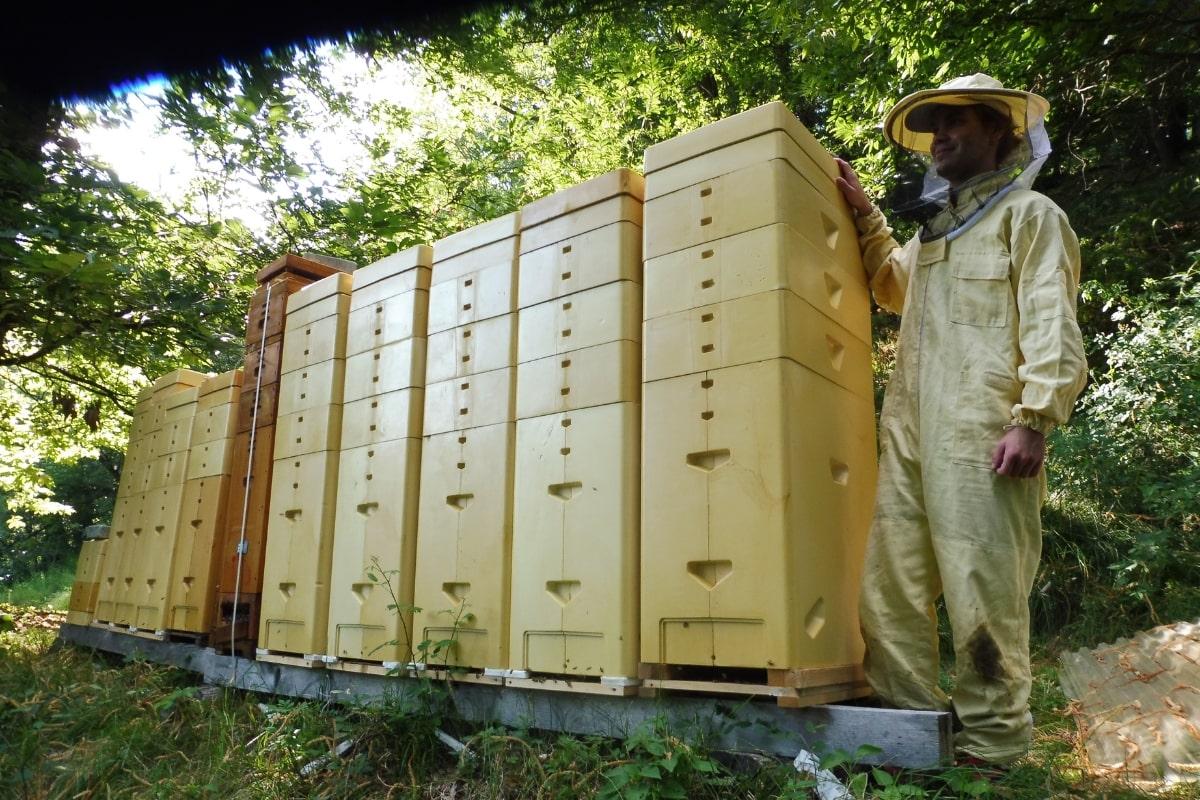
Beehives

When Alex and Giangio started making honey in their spare time, they had no idea it would eventually lead to them founding a bee-focused startup. Inspired by nature, PrimalBee® is disrupting a product that has barely seen innovation in 170 years: the beehive. Now they’re looking for investment to scale.

Spotting an opportunity

Alessandro (‘Alex’) Gamberoni and Gianmario (‘Giangio’) Riganti first met in high school and have been friends ever since. Brought together by a mutual love of outdoor sports, they often went on climbing or skiing trips together and frequently spent these outings advising each other on their respective business ventures.  

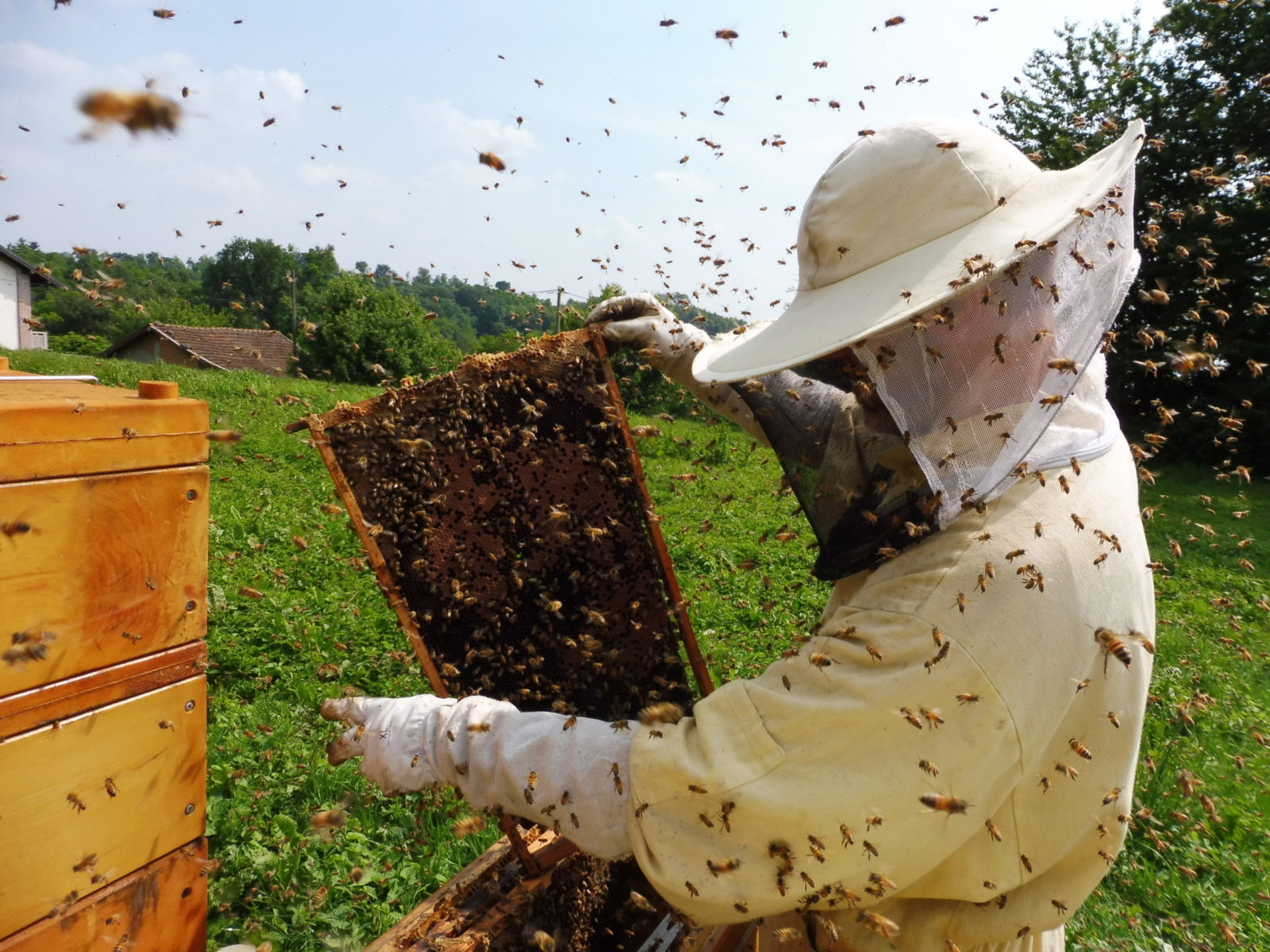
After several years working hard as entrepreneurs, Alex decided to close his workshop and started making his own honey as a hobby. He invited Giangio along - making honey became an opportunity for the two men to spend time together. The pair gradually became more and more involved in beekeeping; they took a course and became members of a local beekeeping association. But something wasn’t right - they kept losing their colonies. 

The breakthrough came when a beekeeping contact called and invited the pair to see a huge colony he’d discovered. Inside a huge hollow cedar tree, they were surprised to discover an entire hidden world of honeybees - living entirely differently to the way they did in human-raised hives. This planted the seed of an idea that would later become the PrimalBee® Hive.

Taking inspiration from nature

The classic beehive design was created around 170 years ago. It is essentially a wooden box, and limited innovation has been applied since its inception. Anyone with a basic knowledge of carpentry can build one and the market is huge, but it’s far from the best solution for bees. Even high-tech solutions don’t offer much of a benefit - it’s like adding sensors to track your bank account when the balance is always at zero. 

PrimalBee®’s founders realized that allowing the bees to utilize their own resources was crucial and the key to ending hive losses. ‘In a standard hive, honeybees are forced to throw 90 per cent of their resources out the window, so to speak,’ says Gianmario. 

Honey bees, they proved thanks to 12 years’ of R&D, are thermally sensitive. Tiny variations can have an outsized impact on the colony as a superorganism. Bee colonies need to remain at a certain temperature to survive: the role of the worker bees is to keep the queen warm so she can produce a new brood as soon as possible. Once the temperature inside the hive hits 36 degrees Celsius, the queen will begin to lay eggs. These eggs quickly become more important than the queen itself - as the next generation of bees. Over winter, when the colony is broodless, the queen needs to be kept at 28 degrees Celsius to survive and be able to lay eggs the following spring. The hive is the hardware connecting two environments at very different temperatures: the inside and the outside.

Redesigning the beekeeper economy

Alex and Giangio’s patented solution - the PrimalBee® Hive - redesigns the beekeeper economy, protects honeybee populations and fosters a solution that works with the bees rather than against them. It is the first hive designed with bees at the very core of it, thanks to an altered nest shape and material aiming for better thermal efficiency of the box itself.

‘We wanted to create a solution that works from the point of the view of the bee,’ Alex explains. The company’s aim is to let the bees do what they are programmed to do. That is: collect pollen and nectar,  increase the brood population, and produce more honey. Ultimately, that also means better pollination and a more secure food system for humans, too.

From Alaska to Israel

After coming up with their prototype, the team reached out to beta testers. The hive management system was tested first in Alaska, where it showed great promise – the bees survived the winter for the first time. In the Negev desert in Israel, where extremely hot temperatures usually ‘cook’ the bees, the PrimalBee® Hive performed well too, even surviving five years in a row without any chemical treatments. 

Since Alex and Giangio started testing the first iteration of the PrimalBee® Hive almost a decade ago, their hives have not experienced any brood diseases: something unheard of elsewhere, anywhere else in the world. The product also saves beekeepers time and money. Today orchards pay a significant amount of money to professional beekeepers to rent their hives for pollination services, as a means of increasing food production.

Looking ahead

The PrimalBee® team is now looking to scale their solution, setting up a dedicated supply chain in their target markets: USA, Australia and New Zealand, Europe. Aiming for a competitive retail price, the team has redesigned the whole hive system, opting for different production technology and alternative materials. Many of their customers' suggestions have also been implemented, improving design and operational efficiency. The latest version of the PrimalBee® Hive will be available five to six months after the seed funding round concludes.

Any additional funding will go towards expanding the team, developing their marketing capacities and creating a more affordable version of the system. Their innovation has already won positive reviews from beekeepers and interest from international investors in the US, Singapore, China as well as in Switzerland. 

Connect with Alessandro or Gianmario on LinkedIn, or visit the PrimalBee website to find out more.

Never miss a Swiss food innovation morsel.

Latest News

Join the Swiss Food & Nutrition Valley ecosystem and be partof the journey!