Ecorobotix Reaches Milestone: 1,000 ARA Ultra-High Precision Sprayers Sold Worldwide

Ecorobotix Reaches Milestone: 1,000 ARA Ultra-High Precision Sprayers Sold Worldwide

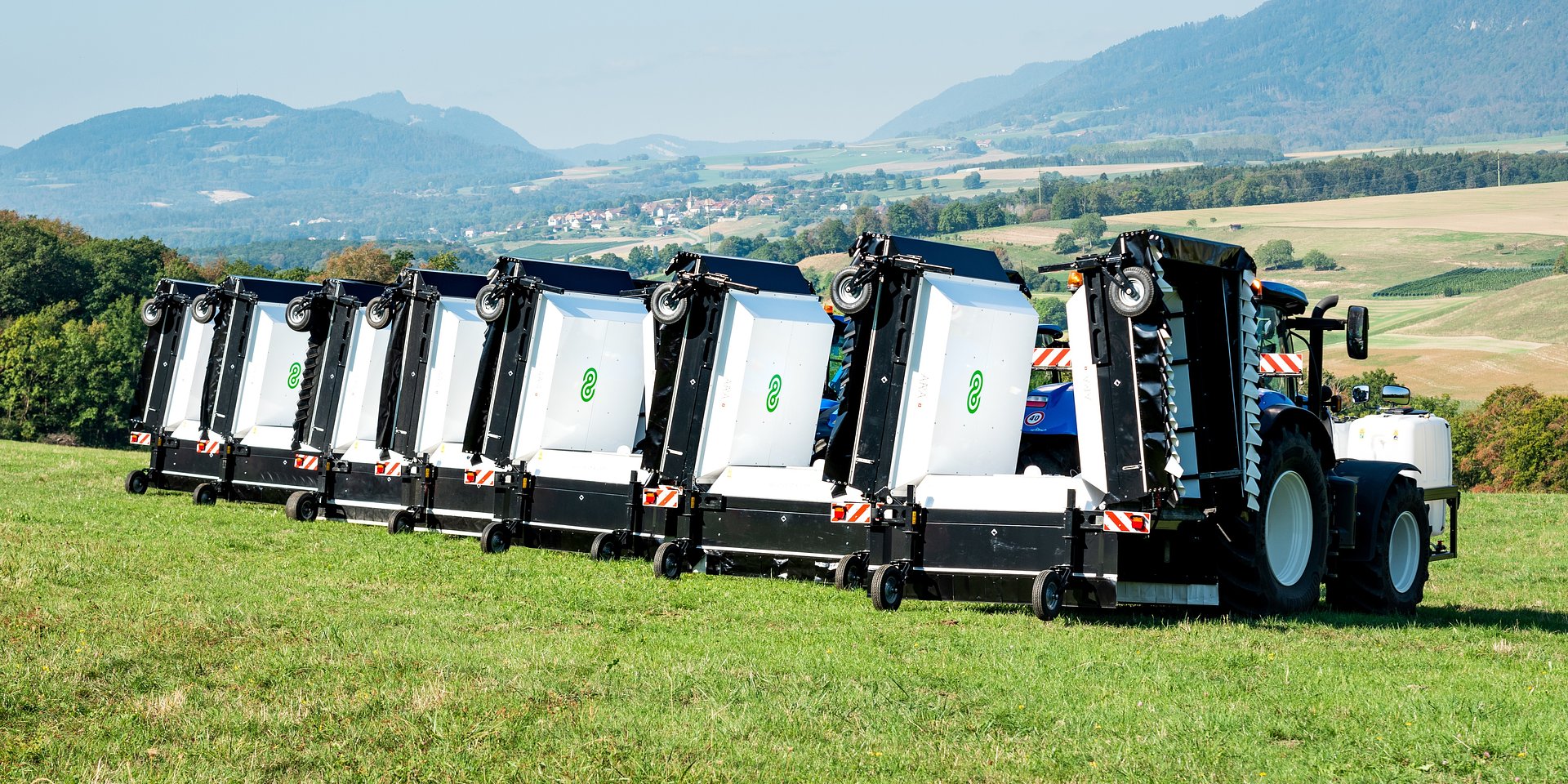
From the vegetable fields of Europe to farms in the United States, Canada, and Australia, Swiss agricultural innovation is now supporting farmers across multiple continents. Over the past five years, 1,000 ARA ultra-high precision sprayers developed by Ecorobotix have been deployed worldwide, helping farmers transition toward smarter and more sustainable crop protection.

Developed in Switzerland and now used by farms around the globe, ARA sprayers highlight the growing role of Swiss technology in modern agriculture. Reaching the milestone of 1,000 machines marks an important step for Ecorobotix, and for the thousands of farmers adopting precision spraying in their fields.

From a Swiss Idea to a Global Technology

More than a decade ago, Ecorobotix co-founders Aurélien Demaurex and Steve Tanner asked a simple but ambitious question: What if every weed could be treated individually instead of spraying an entire field? Their vision combined artificial intelligence, robotics, and agronomy to rethink how crop protection could be applied. That idea led to the creation of Ecorobotix, which has since grown into an international ag-technology company with more than 250 employees and operations across Europe, North and South America, and additional global markets.

The sale of 1,000 ARA sprayers demonstrates how this original concept has moved from research and development to widespread use in real farming conditions.

Precision Spraying That Transforms Crop Protection

Since its introduction, ARA has redefined field spraying through its ultra-precise 6 x 6 cm treatment footprint, allowing the system to target only the plants that need treatment. The result is a dramatic reduction in crop protection inputs, up to 95% less herbicide compared to conventional broadcast spraying.

For farmers, this precision technology delivers several key benefits:

  • Significant savings on crop protection products
  • Reduced spray drift toward neighboring crops and ecosystems
  • Lower exposure risks for operators and wildlife
  • Improved resistance management through targeted application

Today, thousands of growers, particularly in high-value vegetable crops, are adopting precision spot spraying as a smarter approach to crop protection, with measurable benefits for soil health, water protection, and the long-term resilience of farming systems.

Swiss Roots, Global Impact

The milestone of 1,000 machines also reflects Ecorobotix’s rapid international expansion. Through regional offices and a growing global distributor network, the company provides local training, technical support, and algorithm development tailored to specific crops and regional farming conditions.
From a Swiss start-up to an international agtech company, the mission remains unchanged: to reduce the use of chemical inputs in agriculture through intelligent automation and Swiss precision.

Sign up for quarterly Swiss food innovation updates.

Latest News

Vivent Biosignals announces Fernando Derossi as CEO and Partner to lead next phase of global growth

Vivent Biosignals announces Fernando Derossi as CEO and Partner to lead next phase of global growth

Vivent Biosignals, a leading provider of real-time plant feedback and AI-driven insights for agriculture, today announced the appointment of Fernando Derossi as Chief Executive Officer and Partner, effective February 1, 2026.

Fernando joins forces with founders Nigel Wallbridge and Carrol Plummer to lead Vivent Biosignals’ next phase of growth. His appointment follows the company’s recent successful funding round, led by Agri Investment Fund with participation from Pymwymic and Horticoop, and marks a new chapter in its evolution as Vivent Biosignals accelerates its mission to become a global leader in agricultural data and AI-powered insights for plant intelligence. With this strengthened leadership team, Vivent Biosignals is ideally positioned to scale its technology worldwide and amplify its impact across the entire agtech ecosystem.

A strengthened leadership team for global scale

Fernando Derossi brings more than 20 years of proven global leadership in scaling AI-powered and science-driven agricultural technologies. With deep expertise in international growth across North America, Latin America, and Europe, he has led global teams in major business units at industry giants Syngenta, BASF, and UPL Corporation, driving innovation to enhance grower profitability while as a seasoned entrepreneur, Fernando has a strong track record of multiple successful scale-ups and exits across agtech and fintech ventures worldwide.

Carrol Plummer, Co-founder & Co-CEO, said: “Fernando is exactly the strategic and operational leader we are seeking. His experience, proven ability to scale innovation globally, and his deep understanding of growers’ needs make him an ideal partner to take Vivent Biosignals into its next phase of rapid growth. We are excited to build this next chapter together.”

Dr. Nigel Wallbridge, Co-founder & Executive Chairman, commented: “We have developed the world’s most advanced plant biosignals platform—technology that gives farmers unprecedented visibility into crop health. Fernando brings the vision, capability, and leadership needed to transform this breakthrough into the global industry standard. We enter this next stage fully aligned and energised.”

Fernando Derossi, CEO & Partner, added: “It is a privilege to join Carrol and Nigel, two pioneers who have created groundbreaking plant-intelligence technology. My mission is clear: scale Vivent Biosignals globally and deliver a trusted AI- and data-driven standard that helps farmers eliminate hidden crop stress, optimise inputs, and achieve the highest possible return on investment. Together, we are bridging the gap between plant biology and AI to ensure that every grower in the planet can have access to this technology.”

Powering the future of plant-driven agriculture

Vivent Biosignals has built a patented platform that captures and decodes plants’ internal signalling system—detecting early signs of stress from pests, disease, water challenges, and nutrient limitations days before visible symptoms appear. When combined with advanced AI models, these biosignals enable growers and agronomists to intervene earlier, optimise inputs, and improve sustainability outcomes. With strong market traction across multiple crops and continents, Vivent is positioned to accelerate global adoption of plant-driven agriculture, empowering farmers to produce more, while optimising inputs and protecting their crops against an increasingly volatile climate.

Sign up for quarterly Swiss food innovation updates.

Latest News

Agroscope’s new work programme places a greater focus on impact and practical benefits

Agroscope’s new work programme places a greater focus on impact and practical benefits

Agroscope’s 2026-2029 Work Programme addresses the most important challenges facing the Swiss agriculture and food sector, and agricultural practitioners in particular. The focus is on six key issues to be addressed by the research institute in 42 research programmes and around 360 projects. Areas such as plant protection, plant breeding, climate-change adaptation and economic efficiency will be strengthened.

Safeguarding domestic food production, enabling farming families to earn a fair income and reducing the negative environmental impacts: these are important challenges facing the Swiss agriculture and food sector. With its new 2026-2029 Work Programme (WP), Agroscope aims to make a contribution to meeting these and further challenges, and to reducing the trade-offs of agricultural production.

Research from field and barn to plate and back

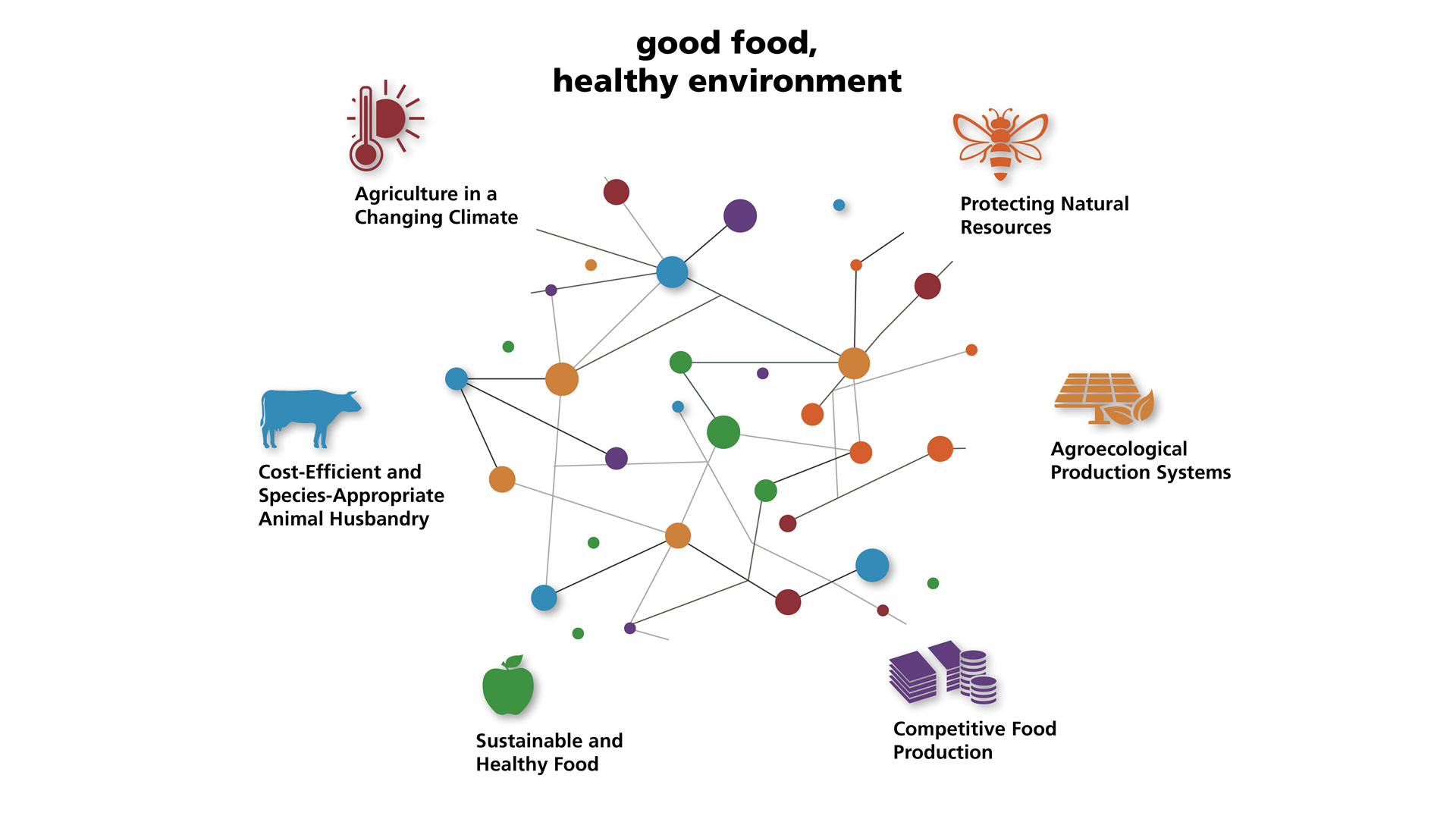
The new Work Programme continues to focus on six interlinked core themes: competitive food production, agriculture in a changing climate, protecting natural resources, agroecological production systems, cost-efficient and species-appropriate animal husbandry, and sustainable and healthy food. Agroscope conducts cross-disciplinary research across the entire agriculture and food sector on these focus areas. The aim is to develop solutions for increasing the ecological, economic and social sustainability of the agriculture and food system.

Novel developments vis-à-vis the last Work Programme

Agroscope is strengthening research in the areas facing major challenges, such as climate-change adaptation, water efficiency, crop protection, particularly in vegetable and field crops, sustainable livestock production and reduction of nutrient losses.  Since the aim is to improve the social and economic sustainability of agricultural production for farming families, research into cost-efficiency and value creation is also being expanded. The Swiss Parliament has also allocated additional funds for plant protection and plant breeding, which strengthens these particularly challenging subject areas with additional research projects.

Focus on impact and practical benefits

The motto ‘We research with and for farmers’ gains even greater importance in the new Work Programme. More systematically than before, the WP is designed for the benefit of and its impact on agricultural practice, without neglecting the basic research that is necessary for this. Each of the 42 research programmes addresses a specific topic as well as defining goals and expected impacts. The practical relevance of the projects and knowledge transfer are ensured by the strong involvement of stakeholders from agricultural practice, the Federal Administration, the agricultural extension and the Cantons.

Comprehensive assessment of needs

The Work Programme was developed via a structured process involving many sectors, associations, organisations and stakeholder groups within the agriculture and food sector. Around 70 organisations submitted over 650 proposals which were prioritised jointly. In addition, Agroscope took into account overarching strategies of the Swiss Federal Council, future visions for the agriculture and food sector, and changing social requirements.

The content of the new Work Programme has been positively received and supported by Agroscope Council. This advisory body is composed of representatives from the Federal Administration, science and agricultural practice.

Sign up for quarterly Swiss food innovation updates.

Latest News

New production facility will support the evolution of fermentation-based food systems in Switzerland

New production facility will support the evolution of fermentation-based food systems in Switzerland

The construction of the new building dedicated to the production of Liebefeld Kulturen AG marks a key milestone for the future of Swiss cheese cultures. The building will be equipped with state-of-the-art technological infrastructure. The site will open in spring 2028.

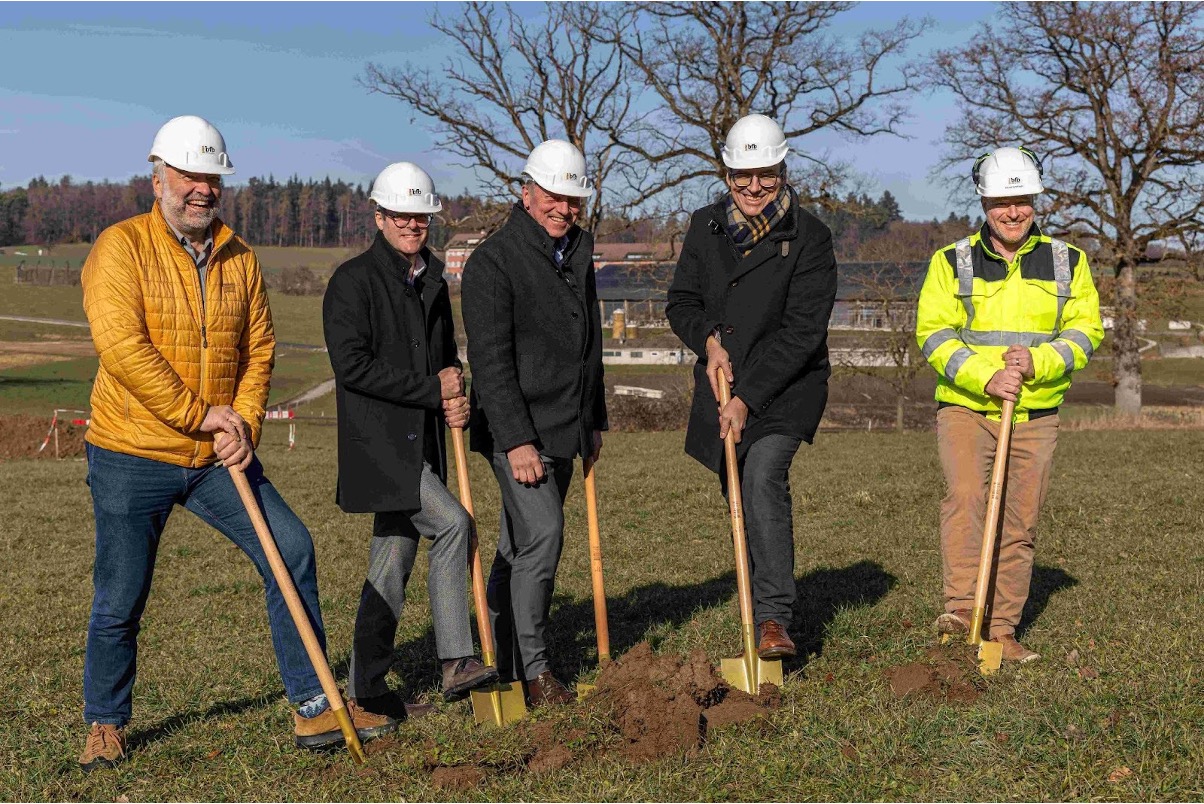
The new building intended for the future production of Liebefeld Kulturen® will be erected on the site of the Grangeneuve competence centre, just a few hundred metres from the new Agroscope campus in Posieux. On 19 January, the groundbreaking ceremony officially marked the start of construction works, in the presence of representatives from Liebefeld Kulturen AG, the Canton of Fribourg and Agroscope.

A broadly supported collaboration

The new building, with an estimated cost of around CHF 20 million, is being developed and financed by the private company Liebefeld Kulturen AG, supported by the Swiss dairy and cheese sector.

The building, covering approximately 1,500 m² over three floors, will house production facilities, laboratories, warehouses, offices, as well as social and technical rooms, all equipped with cutting-edge technological infrastructure. Once completed in spring 2028, it will also accommodate around ten Agroscope employees.

This project is part of the ongoing development of the Agroscope Grangeneuve campus and the national competence centre for raw milk dairy products and foodstuffs.

Connecting R&D with practical application

This new building ensures that the Swiss cheese and food sector will continue to benefit from Liebefeld Kulturen®, which are recognised for their quality. More than 500 cheese dairies across Switzerland use these cultures to produce iconic cheeses such as Gruyère, Emmentaler, Appenzeller, Vacherin Fribourgeois and many others. A significant increase in capacity in the field of freeze-dried cultures will also enable the production of new innovative products. Proximity to Agroscope ensures that research and development remain directly and continuously linked to practical application.

Sign up for quarterly Swiss food innovation updates.

Latest News

OneAgrix appoints Philippe Chatelain to Board of Advisors

OneAgrix appoints Philippe Chatelain to Board of Advisors

OneAgrix, a Swiss–Singapore headquartered trusted trade infrastructure company, has appointed Philippe Chatelain to its Board of Advisors as it advances its platform for regulated global trade.

Operating across regulated supply chains requires infrastructure capable of delivering end-to-end traceability, verification, and regulatory readiness across the full lifecycle of a product. OneAgrix is building systems designed to embed these capabilities directly into how trade operates, supporting auditability, cross-border execution, and long-term operational resilience.

Philippe Chatelain brings decades of hands-on experience designing and deploying traceability, serialization, authentication, and digital product passport systems across FMCG and industrial supply chains. His work spans full lifecycle monitoring, from production and marking through distribution, consumer verification, and regulatory oversight.

His appointment strengthens OneAgrix’s in-house capability to operate and govern traceability and verification systems at scale, supporting regulated trade across jurisdictions and compliance-intensive industries including food and FMCG.

“Trusted trade depends on infrastructure that works across the entire lifecycle of a product, not fragmented tools,” said Diana Sabrain, Founder and CEO of OneAgrix. “Philippe’s experience reinforces our focus on building systems that support regulatory integrity and execution discipline.”

In his advisory role, Chatelain will work closely with the OneAgrix leadership team on infrastructure strategy, governance priorities, and the scaling of trusted systems across global markets.

About OneAgrix

OneAgrix is a Swiss–Singapore headquartered company building compliance-first infrastructure for regulated food, FMCG, and adjacent industries. The platform enables lifecycle traceability, verification, and cross-border trade readiness across complex regulatory environments.

Find out more: https://www.oneagrix.com/

Sign up for quarterly Swiss food innovation updates.

Latest News

The Cultured Hub unveils plant cell culturing for cocoa, coffee, and other ingredients

The Cultured Hub unveils plant cell culturing for cocoa, coffee, and other ingredients

The Future of Food: Givaudan, Nestlé R+D Accelerator Lausanne and FoodHack launch the 2025 FoodTech World Cup
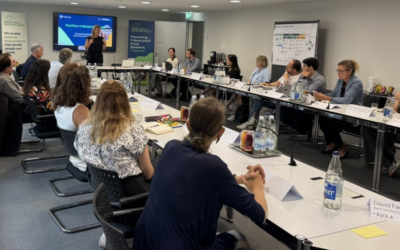
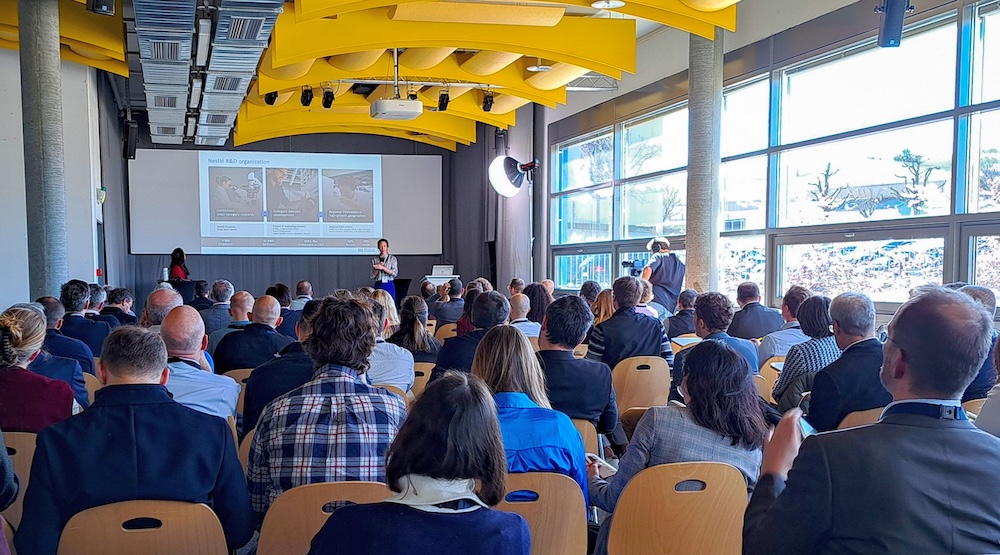
Valley partner, The Cultured Hub, has announced an expansion of its service offering with the addition of plant cell culturing capabilities, broadening its activities beyond cultured meat and leveraging this technology platform to support the growing field of alternative ingredient production. To mark this milestone, the Hub hosted the first Cultured Plant Cell Event 2025, bringing together start-ups, corporate leaders, and researchers to explore how plant cell culture can complement traditional agriculture and strengthen global supply chains for high-value ingredients such as cocoa, coffee, and citrus.

Originally created to accelerate cultivated meat and cellular agriculture technologies, The Cultured Hub now extends its infrastructure and expertise to plant cell-based processes. This expansion comes at a time when rising commodity prices, climate volatility, and increasing pressure on agricultural systems are driving demand for resilient, sustainable sourcing pathways. Plant cell culture offers a promising approach to enabling controlled, year-round production of key plant compounds independent of farmland, weather, pests, or disease.

“Plant cell cultivation represents an important new frontier in sustainable food and ingredient production,” said Ian Roberts, Chief Technology Officer at Bühler Group. “Many of the same challenges we see in cultivated meat – the need to scale, reduce cost, and ensure quality at industrial levels – also apply here. By expanding The Cultured Hub’s offering into plant cell culture, we are supporting innovators in this transition and giving the food industry a unique platform to explore new, climate resilient ingredient pipelines.”

A dynamic ecosystem of innovators

Throughout the event, participants discussed the pressures facing cocoa, coffee, and citrus supply chains, and how plant cell culturing can serve as a complementary production method for stabilizing ingredient availability. Scientific and technical sessions covered the state of the technology, recent breakthroughs, scale-up challenges, and the path from lab to market.

Start-ups actively pitched their technologies and solutions directly to industry leaders specializing in cocoa, chocolate, and coffee processing, fostering collaboration and potential partnerships. Multiple innovators in plant cell culture also presented their work across coffee, cocoa, and next-generation ingredients, including companies such as Ergo Bioscience, Coffeesai, Phyton Biotech, Spicy Cells, Kokomodo, Food Brewer, Celleste Bio, and GALY. Their contributions illustrated the diversity of approaches underway globally – from cocoa biomass grown in bioreactors to stabilized coffee cell lines and high-value plant compounds produced using controlled fermentation.

“Demand for alternative, climate-resilient ingredients is growing rapidly, and plant cell culture is emerging as a credible sourcing platform,” said Yannick Jones, CEO of The Cultured Hub. “Yet the field still faces high costs and complex technical challenges. By providing shared bioprocess infrastructure and a collaborative environment, The Cultured Hub enables both start-ups and corporates to scale more efficiently, shorten development timelines, and explore where strategic partnerships and investments can unlock the next wave of innovation.”

A scientific frontier with commercial momentum

The event also featured a keynote from Prof. Dr. Ing. Regine Eibl-Schindler, ZHAW School of Life Sciences and Facility Management, who introduced the emerging discipline of microbotanics – the cultivation of plant cells to produce targeted metabolites, flavors, and functional compounds with precision and consistency. This global network advancing plant cell research and its applications, connects researchers, start-ups, and industry to accelerate innovation in sustainable plant biotechnology.

“Plant cell factories allow us to produce molecules or biomass that are difficult, slow, or expensive to obtain from fields, while reducing exposure to climate and disease risks,” said Philippe Jutras, Founder of the Plant Cell Institute. “But as with any new technology, scaling is the bottleneck. Events like this create essential alignment between researchers, start-ups, and industry so we can move from promising lab results to meaningful commercial impact.”

A new offering to accelerate the future of ingredients

Plant cell culturing remains an emerging field, with costs driven by sterile bioreactors, energy-intensive controlled environments, and the complexity of plant cell biology. Scaling from flasks to pilot systems is technically demanding and often beyond the reach of early-stage companies. The Cultured Hub’s expansion directly addresses these challenges by providing access to advanced bioprocess equipment, expert process development support, and a neutral platform for collaboration.

Sign up for quarterly Swiss food innovation updates.

Latest News