Talent leader Switzerland welcomes food innovators with a new job platform

Talent leader Switzerland welcomes food innovators with a new job platform

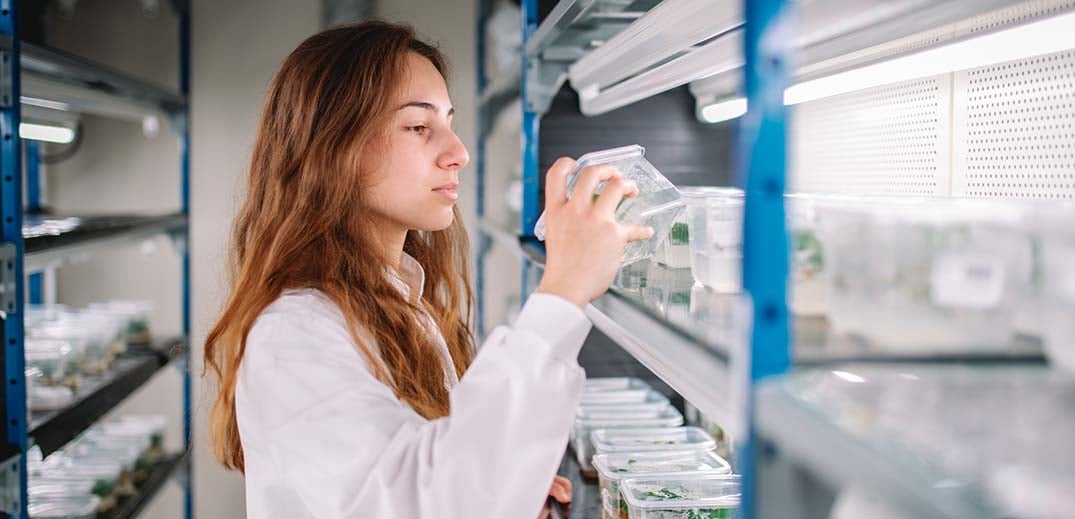
A young person looking for food innovation jobs on the Swiss Food & Nutrition Valley job platform on their laptop.

Discover high-impact career opportunities in food innovation from leading Swiss employers. The Valley’s new platform simplifies job searches for newly qualified talent and career changers, connecting them with a wide range of leading Swiss employers, from innovative startups to global multinationals.

The platform will entice talented professionals to Switzerland, number one in the IMD World Talent Rankings, by bringing together a range of high impact roles in one place. Opportunities vary from leadership to internships and come mainly from the Swiss Food & Nutrition Valley’s partners, including ETH Zürich, Sight and Life, Planted, Ecorobotix, Insolight and farmer connect.

And with a European Commission report earlier this year showing that 30% of the world’s greenhouse gas emissions are linked to our food system, the platform makes it easier for food innovation organisations and professionals to tackle these challenges together. 

SFNV's President Martin Vetterli, said: “Attracting and retaining people passionate about shaping a sustainable food system is vital. The Valley’s job platform makes it easier to connect talented people with Switzerland’s most innovative employers to address some of the world’s longstanding food system challenges.”

Christina Senn-Jakobsen, the Valley’s Managing Director, added: “Switzerland is a leading food nation. Our new job platform highlights the wealth and diversity of opportunities available and will make it easy for food system changemakers to find their next career move.” 

Finding the right talent

While the platform simplifies the job search for food innovators, it also helps employers find the right talent to drive innovation in the sector. Prospective employers can buy one of two packages to promote their roles, with Valley members benefiting from 50 free adverts. 

Flavia Huwyler, Employer Branding Specialist from Planted, a Zurich-based FoodTech scaleup producing juicy plant-based meat with only natural ingredients said: “It’s so important for startups and scaleups to find the right hires - talented people who are passionate about what we stand for and what we want to achieve in a short amount of time. The Valley’s platform connects us with a targeted audience of skilled professionals.” 

Aurélien Demaurex from Ecorobotix, a Vaud-based scaleup producing innovative, energy-saving farming machines that recently secured 52 million USD, added: “We're currently recruiting for a number of roles. By featuring jobs on the Valley platform, we don’t only reach more people, we can reach the right people.” 

Looking for a new team member or your next opportunity?

Latest News

Some trends to keep an eye out for in GDI’s forthcoming European Food Trends Report

Some trends to keep an eye out for in GDI’s forthcoming European Food Trends Report

Farmer Connect and SCANTRUST join iforces

GDI’s next European Food Trends report will be launched at their International Food Innovation Conference on June 21. This year’s report is a hopeful one. It’s centered around the premise that a healthy and sustainable global food system is a real possibility – and takes a closer look at the opportunities that will help get us there.  

The Gottlieb Duttweiler Institute (GDI), an independent, forward-looking think tank researching future trends in food, retail and health, publishes its European Food Trends report every two years. The publication identifies current trends, developments and innovations in the entire value network, spots the most important changes in the food system and explores how they affect production, processing, distribution & logistics, retail and gastronomy and consumption behaviour. 

This year, the GDI team sat down with a host of European experts, including two Valley partners - Eliana Zamprogna from Yumane Foods and Yannick Gächter from the Cultured Hub - while compiling the report. Here’s a sneak peek into some of the themes that will be making an appearance in the 2023 edition.

1. Food security

Our food systems have been strongly influenced by the changing international environment in the last few years. The pandemic and the war in Ukraine have highlighted the fragility of our international value chains. As a result, food security can no longer be taken for granted and has become a currency of sorts - with countries that can guarantee their own food security at a distinct advantage.

2. Owning responsibility for change

All food system actors need to take responsibility and ownership for a sustainable future, no matter where they are in the value chain. Consumers do have the power to drive change, but this change needs to take place within a system. Securing the support of politicians and setting an appropriate policy framework is vital. Incentives and subsidies need to be aligned with the goals we’re looking to achieve.

3. Novel foods

Novel foods are classed by law as foods that don't have a 'significant history of consumption' by people in the EU prior to May 1997. There’s a huge need for innovation in this space, but the regulatory environment remains complex. New types of food production also require innovation beyond the food sector alone. Many novel foods, for example, require an extremely high level of energy and a stable power supply to produce, so solutions need to be developed with this in mind.

4. Consumer behaviour

Many consumers are open to changing their behaviour but their actions are often shaped by intense marketing efforts across multiple channels. Faced with uncertainty, we see some consumers going “back to the known'' and making the best of what they have. This “frugal innovation” focuses on the idea that less is more. New ways of using traditional approaches, like fermentation, are also gaining popularity.

5. Health and nutrition

Health remains a major driver for consumption decisions. Despite broadly knowing what healthy looks like at a population level, consumers can struggle to understand how to apply this knowledge in their day-to-day lives and may be attracted by solutions with unproven health claims. Before investing in personalised solutions for some, we need to ensure that everyone has access to nutritious, health-promoting food. 

Join GDI colleagues as they launch the Trends report at their Third International Food Innovation Conference on June 21. Valley partners can get a 25% discount using the discount code here (Gated page for Valley partners only). 

Never miss a Swiss food innovation morsel.

Latest News

Nestlé inaugurates new research institute aimed at supporting sustainable food systems

Nestlé inaugurates new research institute aimed at supporting sustainable food systems

Image of the Yumane team

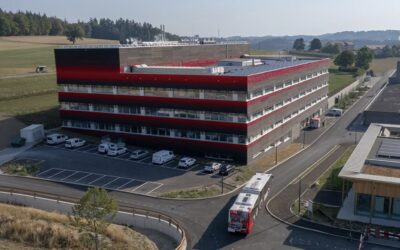
Nestlé has officially inaugurated the Institute of Agricultural Sciences to help advance sustainable food systems by delivering science-based solutions in agriculture.

Speaking at the inauguration, Paul Bulcke, Nestlé Chairman, said: "We have nurtured direct relationships with generations of farmers around the world. To continue providing people with tasty, nutritious and affordable foods, we need to transition together to a more sustainable food system. The new institute will strengthen our expertise and use our global network to support farming communities and protect our planet."

With global food systems under pressure, there is an urgent need to accelerate new approaches that ensure a sustainable food supply for a growing world population while contributing to farmer livelihoods.

At the new institute, Nestlé experts screen and develop solutions in key focus areas such as plant science, agricultural systems and dairy livestock.

It builds on the company's existing plant science expertise in coffee and cocoa. Over many years, Nestlé plant scientists have been contributing to Nestlé's sustainable cocoa and coffee sourcing plans - the Nestlé Cocoa Plan and Nescafé Plan (pdf, 9Mb) - including the recent discovery of more disease and drought-resistant coffee varieties.

Nestlé is now strengthening this expertise and expanding it to further crops, including pulses and grains. The institute is also working with farmers to trial regenerative agriculture practices to improve soil health and encourage biodiversity. In addition, experts explore novel approaches in dairy farming that have potential to reduce greenhouse gas emissions in the areas of cow feed and manure management.

Jeroen Dijkman, Head of Nestlé Institute of Agricultural Sciences, said: "Our goal is to identify the most promising solutions to promote the production of nutritious raw materials while minimizing their environmental impact. We take a holistic approach and look at several factors including impact on yield, carbon footprint, food safety and cost, as well as the viability of scale-up."

As part of Nestlé's global R&D network, the institute collaborates closely with external partners including farmers, universities, research organizations, startups and industry partners to assess and develop science-based solutions. The new institute reaffirms the company's commitment to strengthening Switzerland's unique innovation ecosystem.

Speaking at the official opening, Valérie Dittli, State Councilor of the Swiss Canton of Vaud, said: "The new institute is strengthening the Canton of Vaud as a center of excellence for research and education in agriculture and nutrition. It also contributes to the efforts that are underway to support farmers in the face of climate change. Agriculture is at the core of quality nutrition and in the Canton of Vaud we can count on an innovative ecosystem that brings together partners including agricultural professionals, schools for higher education and private research centers such as the one from Nestlé."

In addition to its new facilities at Nestlé Research in Switzerland, the institute incorporates an existing plant science research unit in France, and farms based in Ecuador, Côte d'Ivoire and Thailand, as well as partnerships with research farms.

Never miss a Swiss food innovation morsel.

Latest News

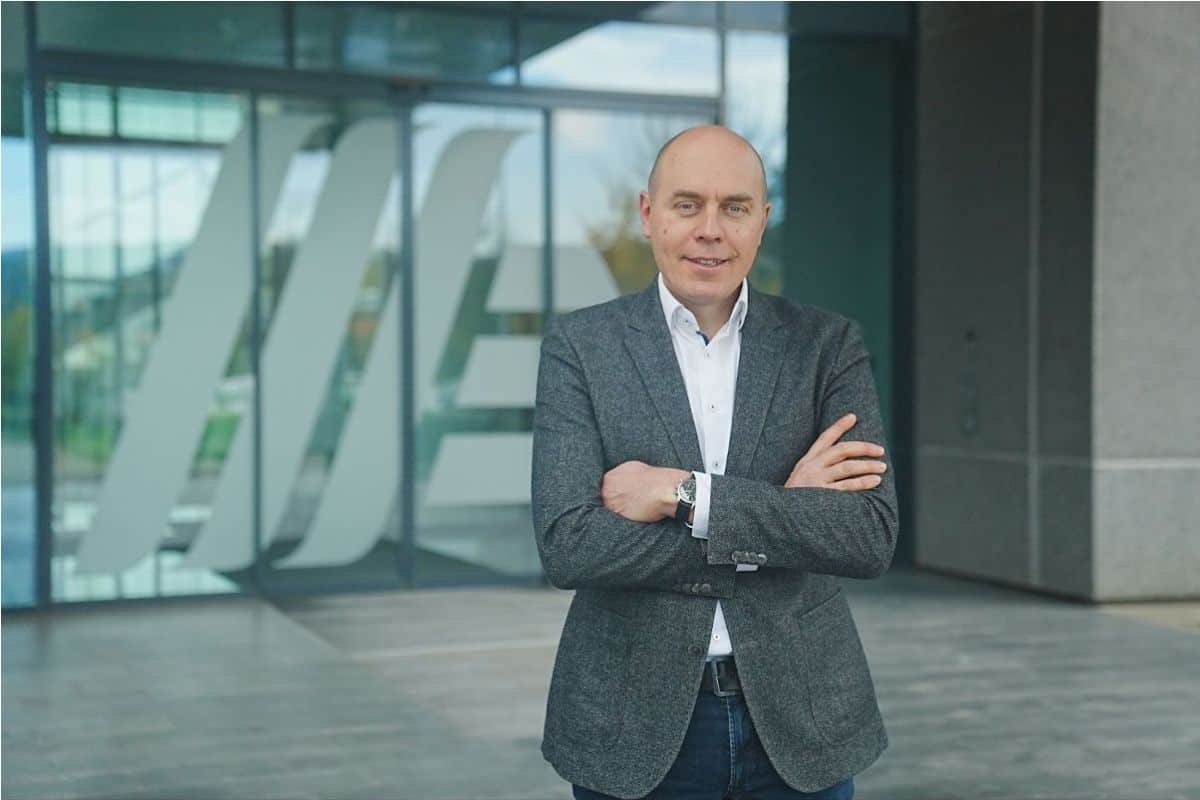
ALDI SUISSE’s Jérôme Meyer on partnerships, packaging and plant-based products

ALDI SUISSE’s Jérôme Meyer on partnerships, packaging and plant-based products

Mirai foods burger

Jérôme Meyer is the Country Managing Director of ALDI SUISSE AG, which became the first Swiss retailer to join the Valley last year. We sat down with the self-proclaimed ALDI-Kind to talk about ecosystem partnerships and projects, tackling packaging waste and growing demand for plant-based products.

Tell us a bit about yourself.

I'm definitely an ALDI kid! I’ve been part of the company for more than eighteen years. I live in Fribourg with my wife, our four children and dog, and I’m now a Swiss citizen. I grew up on an Alsatian farm which taught me to be down-to-earth and gave me a deep respect for nature. I’ve helped to build ALDI's market entry in Switzerland which has been a very exciting experience.

What does sustainable food and nutrition mean for you?

For me, being sustainable means looking ahead. This forward thinking is also deeply rooted in ALDI SUISSE's philosophy. We feel great responsibility for people and nature. For example, we’re always working to improve our packaging, and where possible we’re eager to do away with it altogether. By 2025, we want to significantly reduce the use of packaging materials in our own brands and use more packaging made from recycled material. 

Could you share some of the ways that ALDI has been working towards this vision?

Our own-label organic brands rely on regional and sustainable products. We source fruit and vegetables from local producers and maintain strong partnerships with our suppliers - both to promote Swiss products and avoid importing goods as much as possible. With our new regional own brand SAVEURS SUISSES, we’ve expanded our regional range in collaboration with our Swiss producers. The range offers all kinds of delicacies from pasta from Ticino to French-speaking Swiss cheese specialities. 

Which new projects have you got in the pipeline?

ALDI SUISSE is going vegan! We are always adapting to our customers’ needs - and they are getting more and more excited about plant-based products. The past year’s product sales show that meat substitutes are growing in popularity among our shoppers. At ALDI SUISSE, we firmly believe that everyone should be able to afford vegetarian or vegan food so we’re committed to a varied selection at reasonable prices. In addition to new meat substitutes, we’re also offering our new organic own-brand ‘retour aux sources’ that prioritises animal welfare, enables more biodiversity and supports local farmers. 

Why did you join the Valley?

As a new Valley partner, we’re keen to strengthen our commitment in the field of food innovation. For us it’s very important to enable sustainable solutions in agriculture and the food industry. In terms of healthy nutrition, there is still a lot of potential for future collaboration. We want to help accelerate innovations in the  Valley.

How would you like to collaborate and support others in the Swiss ecosystem?

As a Swiss retailer, we offer an ideal platform to test product innovations with a broad range of consumers. We’re very open to new product developments and building partnerships with others in the ecosystem.

What support could the Valley community offer to further your work?

We want to grow with the community and strengthen our strong contribution to individual projects. We see ourselves as pioneers in the retail sector and want to set new standards in Switzerland. Supporting Swiss people to enjoy a healthy and sustainable diet is very important to us. 

Tell us something we don’t know about your company.

It’s not surprising to us, but it may surprise others that we pay the highest wage in the industry. Since entering the Swiss market in 2005, ALDI’s wages in the industry have risen by 30 percent. The working conditions of our employees are extremely important to us. We guarantee the highest minimum wage in the retail trade, and we have always offered equal pay. This was also recently scientifically confirmed and awarded the seal ‘We Pay Fair’, which makes us very proud! 

Connect with Jérôme on LinkedIn.


Never miss a Swiss food innovation morsel.

Latest News

Valley After Hours at Nestlé’s R+D Accelerator brings SFNV partners together to connect and collaborate

Valley After Hours at Nestlé’s R+D Accelerator brings SFNV partners together to connect and collaborate

Mirai foods burger

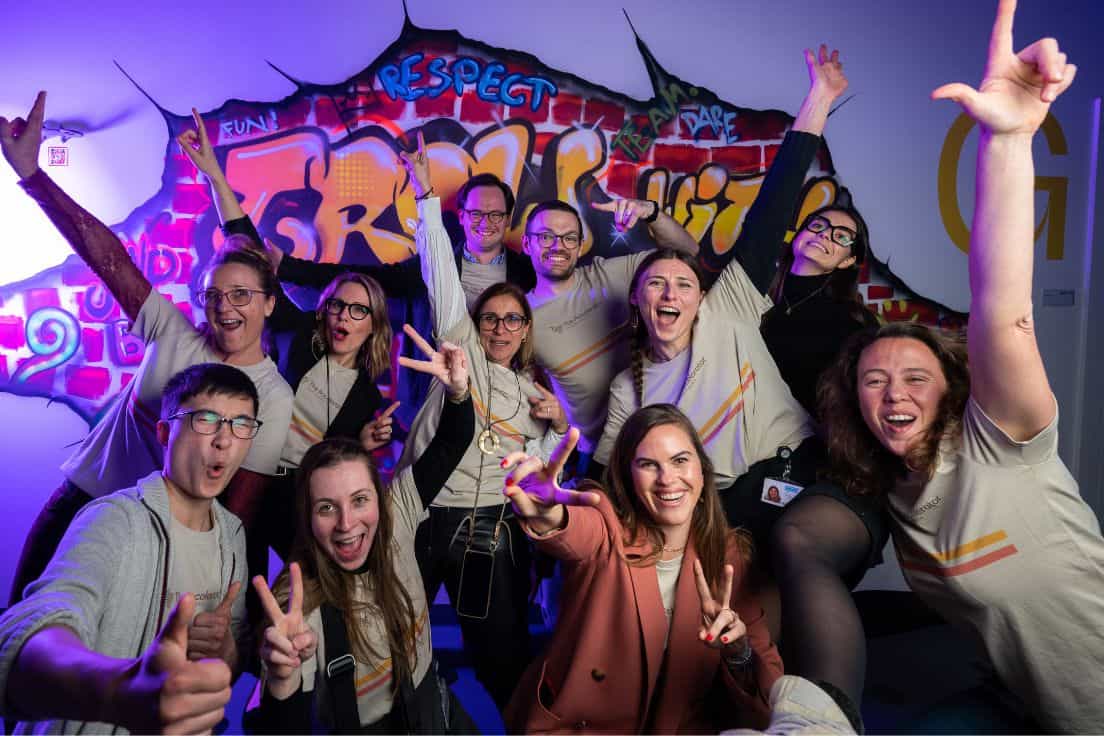
Last week, we held our second Valley After Hours event at The Accelerator, powered by Nestlé Research & Development. The energising session provided the perfect opportunity for Valley partners to network, connect and explore synergies.

This edition invited partners to explore how multinational companies can get inspired by the agility, passion and energy of startups, while established companies have the knowledge, expertise and capabilities to help startups' ideas take flight.

Stefan Palzer, Nestlé’s CTO, Head of Innovation, Technology and R&D, & Executive Vice President and the Valley’s Steering Committee Vice President, kicked off the event by sharing his reflections on the challenges that our food systems are currently facing and his take on possible solutions: "No single company can find solutions to complex challenges like climate change. We need collaboration, creativity, fresh perspectives. And most importantly: we need to work as an ecosystem."

Once Mar Serra, Nestlé Research Accelerator Lead, and Susana Reber, Nestlé Research Startup Lead, had introduced The Accelerator and their startup programme, four startups took to the stage to pitch their ideas: 

  • Embion Technologies - providing a platform industrial biomass processing technology for nutrition, pharma, cosmetics applications and more
  • Terra Preta - capturing carbon and improving soil health by transforming agricultural waste into biochar
  • UBEES - a global leader in beekeeping applied to regenerative agriculture
  • Bloom Biorenewables - transforming natural materials found in biomass to create the first true alternative to petroleum

The event drew to a close with a delicious plant-based networking apero that showcased some of Nestlé R&D’s innovations. Thank you to the Nestlé Research and Development team for hosting such an engaging and energising event! 

Never miss a Swiss food innovation morsel.

Latest News