Bühler Networking Days 2025: Scaling sustainable food solutions through collaboration

Bühler Networking Days 2025: Scaling sustainable food solutions through collaboration

The Future of Food: Givaudan, Nestlé R+D Accelerator Lausanne and FoodHack launch the 2025 FoodTech World Cup
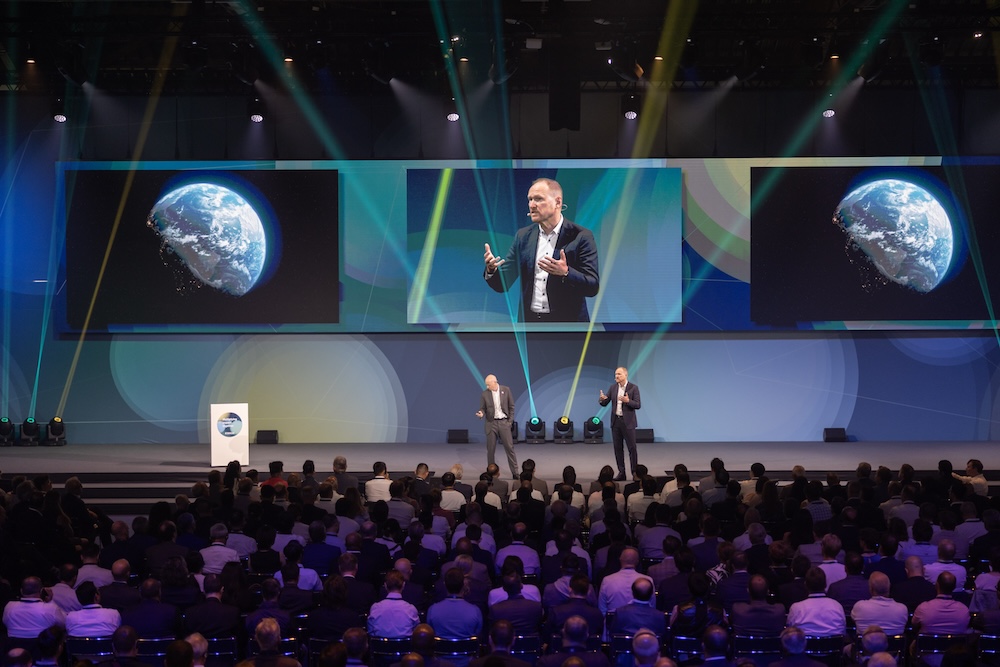
More than 1,200 industry leaders from 90 countries gathered at Bühler Group’s headquarters in Uzwil to explore how to sustainably feed and move 10 billion people by 2050. Under the theme “Multiplying impact together,” the Bühler Networking Days 2025 showcased how innovation, collaboration, and bold leadership can drive the transformation needed across the global food system.

Held every three years, Networking Days has become a flagship event for the food, feed, and mobility sectors – bringing together decision-makers, researchers, and technology providers to exchange solutions and foster collective action. This year’s edition was the largest and most diverse to date, underscoring the event’s growing role as a platform for accelerating progress toward sustainable value chains.

Big change needs bold leadership

Speaking at the event, Bühler Group CEO Stefan Scheiber described the power of collaboration and cooperation to multiply the impact of innovation. “Every breakthrough, partnership, and bold decision has the potential to create ripples – spreading knowledge, inspiring action, and driving progress,” he said. “But their true power lies in the multiplier effect: when these ripples connect, they create waves of change. By working together, businesses and industries don’t just add incrementally to progress – they accelerate it by compounding their influence and scaling solutions far beyond what any single effort could achieve.”

Ian Roberts, Bühler Group CTO said: “It is so clear now that we must act with focus and collaboration to bring the impact necessary to preserve the healthy state of our planet. I am energized by the potential and willingness shown by our 1,200 guests – not to simply talk, but to build concrete actions and to share what they have already achieved to accelerate group learning and impact multiplication.”

The Networking Days 2025 was the fourth Bühler Group Networking Days event. The Swiss-based technology group has convened leaders from the industries it serves once every three years since 2016. Attendees at this year’s event traveled from 90 countries and six continents.

Sustainability: a business imperative

Throughout the event, speakers emphasized that sustainability is not just a responsibility – it’s a driver of resilience and competitiveness. Professor Johan Rockström, Director of the Potsdam Institute and architect of the Planetary Boundaries framework, noted: “We must think of sustainability as central to competitiveness, security, stability, and health. When a decision improves your performance, attracts talent, opens new markets, or enhances resilience, communicate that clearly: show that sustainability is not a burden – it’s a competitive advantage.”

Bühler reported significant progress on its 2019 pledge to reduce energy, waste, and water in key value chains by 50% by 2025. Backed by nearly CHF 500 million in R&D investment, the company is delivering solutions that enable customers to reduce environmental footprint while boosting profitability. In some value chains, such as chocolate and aluminum, combined savings potential now exceeds 70%.

From digital process control to machine refurbishment and predictive maintenance, Bühler’s solutions offer practical paths toward more efficient, circular production systems that deliver measurable impact.

Driving transformation through circularity and innovation

Several sessions focused on how rethinking business models can unlock new value. Italian producer Andriani shared how circularity initiatives, supported by Bühler, enabled the company to turn side-streams into new product lines – from pet food to nutritional supplements. Similarly, illycaffè is now repurposing coffee byproducts for use in cosmetics and advancing regenerative practices with its growers.

IMD Professor Julia Binder encouraged businesses to approach circularity as a strategy for growth: “The circular economy is an ecosystem play – it’s very customer-centric, it’s extremely collaborative. The companies that really make money in the future will be those that use the license to innovate. I encourage you to start from the future back: envision one or two transformational innovations that could redefine your business, then define the steps you need to take to get there.”

Safe, healthy, affordable food that tastes good

A key discussion centered on the challenge of delivering nutritious, affordable, and appealing food to a growing global population. Mars Chief Science Officer Abigail Stevenson highlighted the rising importance of nutrient density, with more whole grains, legumes, and nuts appearing in packaged foods. She also emphasized the need for cross-sector collaboration: “Looking beyond our industry is critical for broadening perspectives and for really thinking differently.”

Florian Schattenmann, CTO at Cargill, underlined the complexity of balancing priorities: “Products need to offer the right taste, the right nutrition profile, the right sustainability profile, and the right cost – and of those, taste is king.”

The conversation also turned to building food systems in underserved regions. Naval Group CEO Simon Tecleab outlined his company’s journey in expanding food processing infrastructure across East Africa and building a new food park in Angola in partnership with Bühler. Mandla Nkomo, CEO of Partners in Food Solutions, stressed the importance of inclusive innovation: “Talent is evenly distributed, but opportunity isn’t. Let’s build an opportunity superhighway, one factory at a time.”

Education, leadership, and bold decisions

The event concluded with a powerful reminder: technology alone is not enough. As Ranjay Gulati of Harvard Business School put it, “The currency to survive in an era of uncertainty is courage.” Guests were urged to act boldly, invest in leadership, and accelerate implementation of proven solutions.

CEO Stefan Scheiber closed the event by urging attendees to act boldly: “We need the courage to take decisive action – action that accelerates growth and drives the sustainable transformation of businesses, value chains, and entire industries. By doing this, we will shape a better future for our businesses and our societies, and truly multiply impact together.”

Never miss a Swiss food innovation morsel.

Latest News

Discover Switzerland’s food innovation ecosystem with the SFNV Navigator

Discover Switzerland’s food innovation ecosystem with the SFNV Navigator

The Future of Food: Givaudan, Nestlé R+D Accelerator Lausanne and FoodHack launch the 2025 FoodTech World Cup

Eager to embark on a journey in the Swiss food innovation ecosystem, but worried about getting lost in the mountains?

Switzerland boasts a wealth of foodtech startups, research institutions, accelerators, and industry leaders. While this diversity fosters innovation, it can also be challenging for newcomers to know how to connect with the right stakeholders. 

Guiding innovators through the Swiss food ecosystem

The SFNV Navigator is an interactive, user-friendly digital tool that guides international innovators through Switzerland’s dynamic food innovation ecosystem. It connects them with a multitude of resources, partners, and opportunities – so they can get where they’re headed faster. 

Whether you’re a startup looking for funding, a researcher seeking collaboration, or a company aiming to expand in Europe, the Navigator will help you to identify and connect with the most relevant partners and resources.

Key features include:

  • Comprehensive listings: Learn more about Swiss food ecosystem players
  • Search feature: Filter and search based on your specific needs, whether that’s  funding opportunities, research collaborations, or market growth.
  • Targeted filters: Find resources by location and company stage.
Addressing real-world challenges

The Navigator is a response to the real challenges faced by innovators entering the Swiss market.

Cedric Verstraeten, CEO of revyve, explains: “Switzerland’s reputation as a hub for cutting-edge technology and forward-thinking business practices perfectly complements our mission at revyve. Our partnership with Swiss food and ingredients manufacturers allows us to enhance our ability to deliver natural, animal-free, and high-performing texturising ingredients to consumers worldwide. For companies like ours, understanding and navigating this environment quickly and efficiently is vital to building meaningful collaborations and scaling innovations.”

Diana Sabrain, CEO and co-founder at Valley partner OneAgrix AG added: “Switzerland’s role as a European gateway has become increasingly strategic as companies navigate AI-driven market transformations and evolving trade policies. Its proactive approach to emerging technologies and neutral trade status offer the infrastructure to adopt AI while preserving operational flexibility. For new entrants, navigating Switzerland’s diverse landscape of AI innovators and established industry leaders is key to seizing opportunities created by technological advances and the demand for tariff-resilient supply chains.”

Whether you’re in the early stages of your venture or looking to expand your existing operations, the SFNV Navigator can help understand what support is available.

Get the most out of the Swiss food ecosystem

Latest News

Impact Digest | Nutrition & Mental Health

Impact Digest | Nutrition & Mental Health

Impact Digest | Cultured foods: How can we drive impact at scale?

As the global population ages, the role of nutrition in promoting longer, healthier lives has never been more vital. And yet it’s not just our physical health that is impacted by what we eat: increasingly, the role of diet and its links to mental wellbeing are coming to the forefront.

At our Impact Forum: Nutrition and Mental Health on 10 June 2025 we were joined by two expert speakers to discuss how the field looks today, chaired by Valley CEO Christina Senn-Jakobsen. Here’s what we learned…

Key Takeaways

  • Mental health is often overlooked in global illness discussions. Even though nutrition plays a central role in mental well-being, it is under-addressed and underfunded.
  • Emerging research on the “gut-brain connection” shows just how linked our brains are to what we eat. Food impacts mental health via neurotransmitter production, energy metabolism, and inflammation.
  • Nutrient deficiencies can have consequences for our emotional wellbeing, but current farming practices mean modern food is not nutrient-dense enough. Supplementation is increasingly necessary, but sourcing quality products is crucial.
  • There’s rising demand for preventive healthcare via dietary approaches. Evidence-based nutritional interventions should complement mental health care.
  • Both speakers highlighted the interconnectedness of diet, supplementation, movement sleep and social connection for their influence on mental (and physical) health.
  • The panel also brainstormed ways to increase the visibility of food’s role in mental health, such as political engagement and food business participation in healthcare.
“Mental health starts in the mind, but it’s always fueled by the body.”
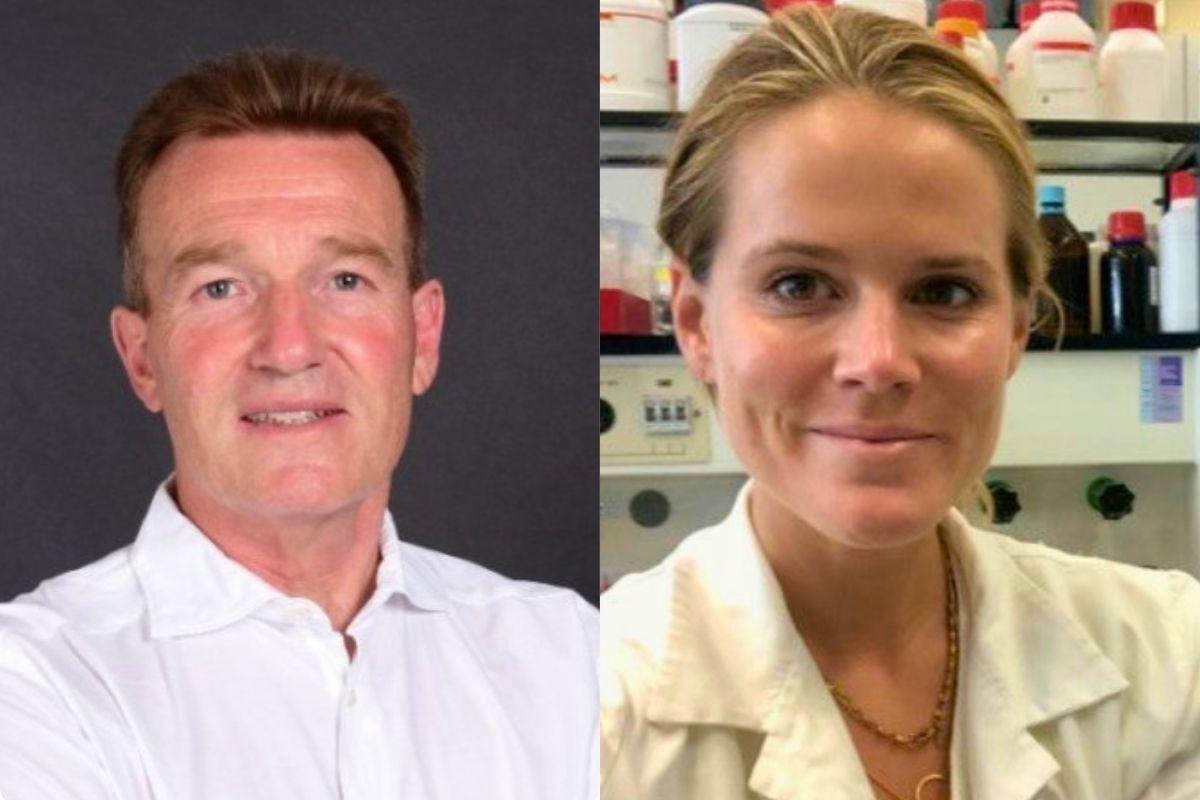
Insights from Dr.Teresa Cramer, Co-Founder and Chief Science Officer, FoodFor

Teresa credits her early curiosity around food as instrumental in shaping her understanding of cognitive performance and mental resilience. This led to her research work – currently as a Neuroscience Fellow at MIT – and passion for translating this work into everyday impact. Hence her startup FoodFor, which makes functional drinks for Energy, Focus, Calm and Mood.

The food-brain connection

The human brain consumes approximately 25% of dietary energy, yet unlike the liver or muscles, it cannot store energy. It requires a constant supply of key nutrients to maintain cognitive and emotional functions. Teresa stressed that mental wellbeing is closely tied to the production of neurotransmitters, which are directly affected by diet.

She highlighted four key neurochemicals: serotonin for mood and appetite regulation, dopamine for focus and motivation, GABA for anxiety reduction, and ATP, the energy molecule that powers brain activity. “These neurotransmitters don’t make themselves. They rely on the vitamins, minerals, and amino acids that you provide through your diet,” Teresa shared.

Supplementation: necessary or optional?

“I know that a lot of people are not big fans of supplementation. But in my world, it’s not just helpful – it’s often necessary.”

A large Swiss study revealed 59% of primary care patients were deficient in vitamin D and around 40% had insufficient levels of vitamin A and zinc. Teresa emphasised these were not marginalised populations but typical individuals eating everyday diets. These can all affect mood, and supplementation is often necessary to bridge modern dietary gaps. Teresa acknowledged the skepticism around supplements but advocated strongly for their use. She argued that even well-intentioned diets struggle to meet nutritional needs due to food system limitations. Her advice? Seek out EU-sourced and EU-produced supplements for stricter regulation and higher quality standards.

Preventive care and the need for innovation

“There’s a very big disconnect between what a patient experiences and how it’s being diagnosed.”

Teresa criticised the current diagnostic models in psychiatry, citing a study showing patients with the same symptoms received different diagnoses across the US, Germany, and India. She called for a shift to preventive tools, such as biomarker tracking, like those her co-panelist Roland is developing. She concluded with a convincing call for better public awareness and systemic change to bring food and mental health into mainstream medical and political attention.

“Mental health isn’t just in your head—it starts in your gut, in your food, and in your daily habits.”
Insights from Roland Pfeuti, Co-founder & Director, HEALTHY-LONGER GmbH
A personal origin story

Roland began with a deeply personal account: he and his wife pivoted their careers in response to challenges surrounding their son’s health. It was this experience that led to the founding of HEALTHY-LONGER, a health platform offering personalised nutrition assessments and supplement recommendations.

Nutrient decline = mental health challenges?

“What your food ate matters. If it’s not in the soil, it’s not on your plate, and it won’t reach your brain.”

Echoing Teresa, Roland pointed out that modern agricultural practices – especially postwar industrial farming – have severely degraded soil health, stripping fruits and vegetables of essential nutrients.As a result, even a diet that appears balanced may not provide sufficient micronutrients to support mental well-being.

Personalised assessment & advice

HEALTHY-LONGER’s offering includes at-home assessments, personalised health reports and tailored dietary and supplement recommendations. These reports are designed to be actionable, offering specific guidance rather than generic advice: “You can go online, order an assessment, and get recommendations tailored to your body’s needs.” Roland also issued a warning on supplement quality: he cautioned against cheap, synthetic supplements, often found online and advocated for natural, well-regulated alternatives backed by proper testing.

Political engagement & public awareness

“There’s a big opportunity for the food sector to step into mental and preventive health care.”

Roland agreed with Teresa’s remarks that mental health remains overlooked in public discourse and healthcare spending, and stressed that food businesses could and should play a proactive role in preventive mental health care. HEALTHY-LONGER supports the idea of greater political engagement and education campaigns. Roland positioned his venture as not just a health business, but a movement toward holistic, food-based well-being.

Hungry for more?

Read our previous Impact Digests.

Latest News

Plating up something new with Luya

Plating up something new with Luya

The Future of Food: Givaudan, Nestlé R+D Accelerator Lausanne and FoodHack launch the 2025 FoodTech World Cup
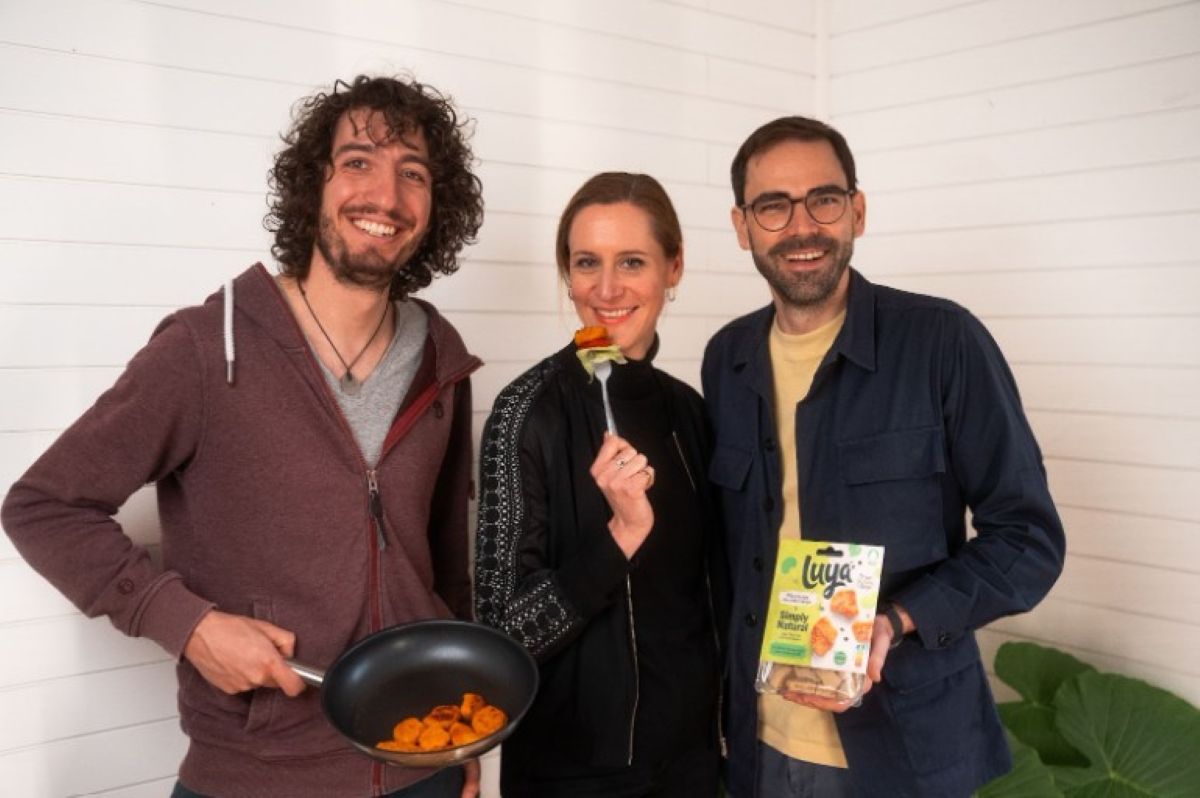
Want an example of successful collaboration between Valley Partners? Look no further than Luya and the ZFV Group. Find out why the ZFV Group selected Luya as an ingredient for their vegan dishes, how the partnership is progressing, and what makes this foodtech start-up so special in terms of innovation. 
A different kind of vegan alternative

Let’s start with two questions. Do vegan alternatives always have a long list of ingredients? And why are they still called “nuggets” or similar, as if they’re meat? These are two questions that Valley food service partner ZFV can answer easily thanks to Luya. 

In answer to the first question: No, they don’t. There are just six ingredients on Luya’s product list – 98% of its contents are chickpeas and okara. And additives? Zero.The foodtech start-up’s motto is back to nature and natural ingredients, a return to traditional production methods. It’s this that so impressed ZFV’s kitchen teams and why Luya regularly features on vegan menus across their 200 locations. But what exactly makes Luya so special?

Okara – a valuable by-product

Cutting-edge fermentation cabinets are busy whirring away at Luya’s production facility, located in a former chocolate factory. This traditional production method, familiar to many from their mother or grandmother’s kitchen, is being brought into the modern age. To further develop this method, Luya has invested heavily in research and technology. It’s not just about using natural ingredients and traditional techniques, but also about fighting food waste. Luya uses okara, a by-product of tofu production. Rich in nutrients and valuable components, okara is usually processed into biogas – quite literally burned. At Luya, it now enjoys a second life as a star ingredient. And this is just the beginning – many similar by-products still suffer the same fate. Co-founder Nina Schaller says the Luya team already has several new ideas in the pipeline. We’re very curious to see what else might end up on our plates in the future. Which raises the question…

Why are vegan products still called “stroganoff”, “nuggets”, and the like? 

Natural, vegan, and free from additives – Luya products bring variety to plant-based cuisine. But why do they still carry names like “burger”, “stroganoff” or “nuggets”? The answer is a simple one: we buy, cook, and eat what we know. When someone reads “stroganoff” – even if it’s made from okara and chickpeas instead of meat – they already have an idea of how to prepare it and what might go well with it. Luya’s goal is to inspire as many people as possible to try healthy, plant-based products. That’s easier to achieve if people feel confident enough to give it a go. So the naming can be seen as a kind of “user manual”.

Nina Schaller, Luya co-founder, explains: “We deliberately sought out natural, nutrient-rich products and analysed by-product streams. We didn’t shy away from research or the development of technical solutions and processes. One thing became clear: the system needs to change so that by-products don’t just end up in the bin for the sake of convenience. There’s still a lot of potential, and we’ll keep working on it.”

Luya x ZFV – two Valley Partners join forces

Reto Zuberbühler, F&B developer in product management at ZFV, has been busy creating dishes with Luya – for example, the “Luya Korma” with a side of tomato-coconut chutney. The spicy South Asian curry was part of the Veganuary 2025 menu. The ZFV team had their eye on Luya for some time and were all the more excited to finally get it into the pan and onto the plate. With Reto a big fan of fermentation and natural ingredients, he was just as impressed by the ingredients list as he was by the taste.

Never miss a Swiss food innovation morsel.

Latest News

Planted opens cutting-edge production facility for plant-based meat in southern Germany

Planted opens cutting-edge production facility for plant-based meat in southern Germany

The Future of Food: Givaudan, Nestlé R+D Accelerator Lausanne and FoodHack launch the 2025 FoodTech World Cup

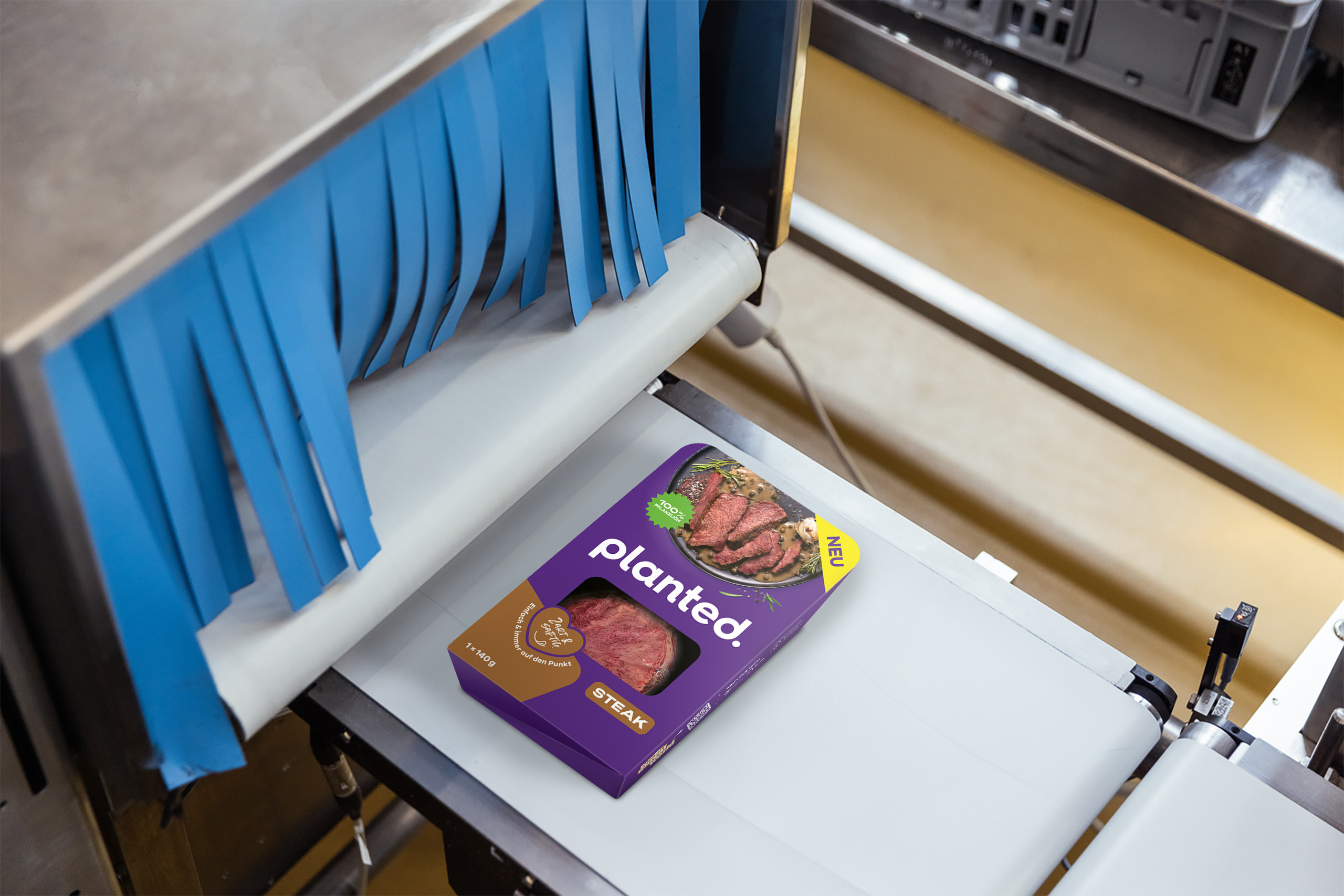
Valley partner Planted has opened a new state of the art facility for producing its plant-based whole-muscle meat in Memmingen, southern Germany. The Swiss FoodTech pioneer is already regarded as a trailblazer in the field of clean meat and the new premises mark a major milestone in the expansion of its production capabilities. 

A home for Planted’ s whole-muscle platform

The focus of the new production facility in Memmingen will be on scaling and further developing the group of products that relies on Planted’s proprietary complete meat muscle. The muscle grows through proprietary fermentation processes and can be further processed into a variety of meat cuts. The planted.steak based on this advanced technology was launched in 2024 and has triggered strong demand from consumers and restaurants – demonstrating the potential of alternative proteins in terms of flavour, health benefits and sustainability. The opening in Memmingen was announced in late 2024 as an answer to this increased demand. 

Doubled production capacity 

The new plant in Memmingen marks itself out as Europe’s most modern production facility for biostructured proteins and will make it possible to produce over 20 tonnes per day in the mid-term, the same amount as the current capacity of the site in Kemptthal, Switzerland – therefore doubling the company’s overall capacity. 

The facility will produce products for sale in Germany as well as other European markets, including the UK – creating over 50 new jobs in the medium term. Lukas Böni, co-founder and member of the management board of Planted, told us: ‘With an export share of 75% and Germany as our biggest export country, expansion into our largest EU market was an obvious choice. The new proximity to key target markets, combined with a state-of-the-art production facility, allows for more sustainable and efficient logistics and production, helping Planted meet growing demand and stay closer to our international customers. The Kemptthal site remains a central pillar of our production for the Swiss market.’

Sustainability as a central element

Sustainability is a guiding principle at the new production facility, as you would expect from the B-Corp certified company. Together with the local Alois Muller Group, an expert in sustainable energy concepts, the plant has been designed to be environmentally friendly and energy-efficient, so that it can work towards CO2 neutrality. Planted relies on groundwater cooling and the heat supply is provided by a sustainable energy system. The production of a planted.steak causes 97% less CO2 emissions and requires 81% less water compared to conventional beef. 

In a further achievement for the planted.steak, further significant national retail listings have been made at REWE and Kaufland in Germany, Tesco in the UK, Carrefour in France, Albert Heijn in Holland and Migros in Switzerland in recent weeks. To coincide with the BBQ season, Planted has also newly expanded its range with a paprika flavour way produced using the same innovative fermentation technology. Further products in the steak group are also under development and set to launch later this year.

‘Our biotechnological expertise enables us to bring new innovative products to market faster and more efficiently – and even closer to our customers in the retail and gastronomy sectors,’ explains Judith Wemmer, co-founder of Planted and operational lead for both production sites. The company is convinced that alternative proteins will surpass animal meat in terms of flavour, sustainability, health, productivity and price in future as the demand for environmentally friendly food continues to grow.  

Never miss a Swiss food innovation morsel.

Latest News

Bühler launches state-of-the-art Milling Academy

Bühler launches state-of-the-art Milling Academy

The Future of Food: Givaudan, Nestlé R+D Accelerator Lausanne and FoodHack launch the 2025 FoodTech World Cup
Valley partner Bühler has opened a new, state-of-the-art Milling Academy – a 1,800-square-meter training center for food and feed millers – at the heart of its headquarters in Switzerland. Designed to meet the evolving needs of the industry, the facility combines decades of expertise with the latest technology and modern teaching methods. Direct access to research and training centers enables course participants to gain unique hands-on insight into key industry areas.

The milling industry plays a vital role in global food security, but it is also navigating an era of significant change and challenge. In addition to ever-higher food safety standards and the need for efficiency and sustainability, millers are facing increasing pressures from climate change, a shrinking skilled workforce, and supply chain volatility.

Against this backdrop, technology and digital solutions are emerging as powerful tools to boost yield, profitability, and resilience. However, realizing the full potential of these advancements depends on a well-trained workforce. This makes advanced, hands-on training programs for millers more important than ever before.

“With the opening of our new, state-of-the-art Milling Academy, we are empowering the next generation of milling professionals by offering advanced training, hands-on experience, and access to the latest technologies,” says Stefan Birrer, Head of Business Area Milling Solutions at Bühler Group. “This ensures customers can meet evolving industry demands and drive continuous improvement throughout the food and feed sectors.”

The Milling Academy is the place where industry professionals can deepen their knowledge, expand their network, and drive innovation for a more efficient and sustainable food value chain. The facility provides participants with direct access to Bühler’s Grain Innovation Center, multiple research and training centers, and the CUBIC innovation campus. Participants gain practical experience across every aspect of the milling process, from raw material intake to final packaging.

Meeting rising training demands

Purpose-built with a strong focus on educational methodology, the Milling Academy is developed to optimize learning outcomes. “The construction of the Milling Academy gave us the opportunity to design and implement everything exactly the way it makes the most sense for our customer training programs. We also took the opportunity to create many more ways for interactive learning directly at the machines,” says Dario Grossmann, Head of the Milling Academy. “Participants tell us that with the Milling Academy, we’ve reached an entirely new level of quality. We are seeing increasing interest in training from our customers and are more than ready to meet this growing demand by continuing to provide the best training for millers in the future.” 

Featuring three modern classrooms, various break-out spaces for self-learning and group work, and an arena located directly in the machine park, the facility offers a range of teaching environments. A welcoming coffee area fosters networking between participants from different courses and encourages knowledge exchange. Practical, hands-on training takes place on both the latest milling machines and older models, ensuring participants receive instruction tailored to the equipment they use in their own plants.

The Milling Academy also integrates advanced digital learning tools and features two laboratories: one for analytical training and another for electronics training and experimentation. It includes a fully automated school mill, which processes 24 tonnes per day, allowing for industrial-scale training. It also houses the School of Feed Technology (SFT), significantly expanding resources for both food and feed milling professionals.

The Milling Academy, alongside the School of Feed Technology, offers over 100 courses a year to over 750 trainees in seven languages. The courses are structured in a modular way and are tailored to the needs of machine operators, head millers, plant managers but also include trainings for executives, laboratory workforce, and electrical and mechanical maintenance engineers. On top of that, customized trainings in Uzwil or directly at customer sites around the world are conducted by Bühler’s Milling Academy personnel.

Bühler’s global learning ecosystem

The Milling Academy also runs specialized programs in partnership with Kansas State University in the US, and at Bühler’s training mill in Wuxi and feed mill in Changzhou, China. Bühler’s African Milling School, located in Nairobi, Kenya has also served millers from across Africa and the Middle East since 2015.

Participants in Uzwil have direct access to the Grain Innovation Center (GIC), where they can test the machines with material and gain insights into the development and testing of advanced grain processing technologies. The GIC is closely connected to Bühler’s network of research and training centers including the Grain Processing Innovation Center in Kano (GPIC), Nigeria, which is dedicated to exploring the industrial potential of local and ancient grains and offers training programs. Bühler’s education and innovation efforts are supported by other research and training centers that serve multiple industrial applications for food and feed, as well as specialist facilities such as the Cocoa Competence Center in Côte d’Ivoire and the International Rice Milling Academy in India. 

This global network is further strengthened through partnerships with leading academic institutes and research organizations, for example the ETH Zürich in Switzerland, DIL in Germany, and the North Carolina Food Innovation Lab (NCFIL) in the US, to name a few. By connecting scientific research with industrial practice, these partnerships support market-driven innovation in areas such as sustainable proteins, digitalization, and next-generation food production. In Singapore, Bühler and Givaudan co-run the Protein Innovation Centre, where new plant-based products are developed and scaled. 

“We continuously invest in strengthening our global education network to equip the next generation of millers with the skills they need to succeed. And with our extensive learning ecosystem, Bühler is shaping the future of food – building skills, advancing innovation, and helping customers to stay competitive while driving a more sustainable and resilient food system,” says Stefan Birrer.

Never miss a Swiss food innovation morsel.

Latest News